Downtown Las Vegas
A forgotten downtown became a canvas for art-led revitalization.
Building 180 helped shape a written-off district into a place people wanted to discover.
For decades, downtown Las Vegas lived in the shadow of the Strip. The city’s original core had lost much of its energy, visibility and public identity.
Then Tony Hsieh’s Downtown Project began reimagining the neighborhood through a simple but ambitious idea: that art, community and intentional placemaking could help bring a city back to life.
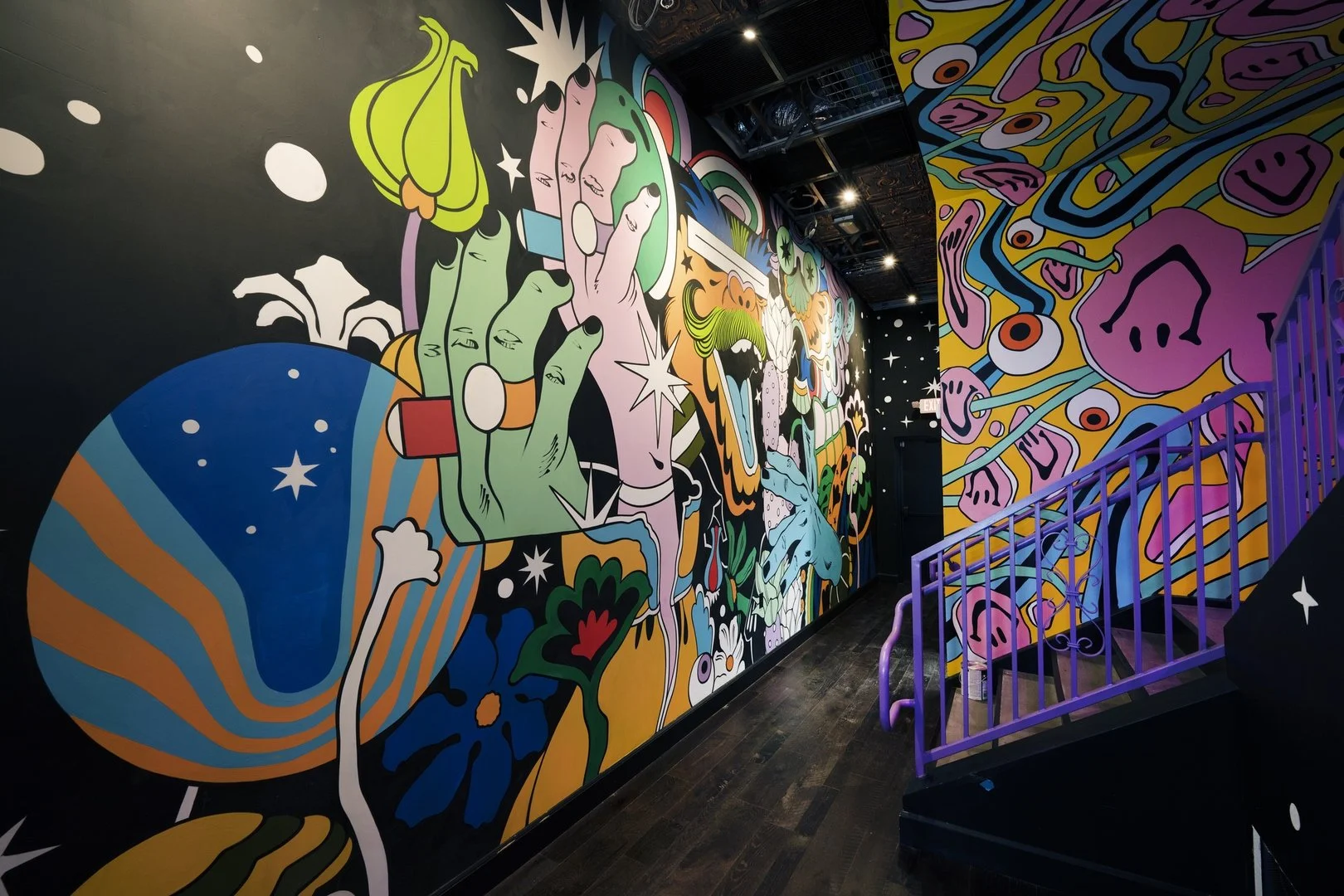
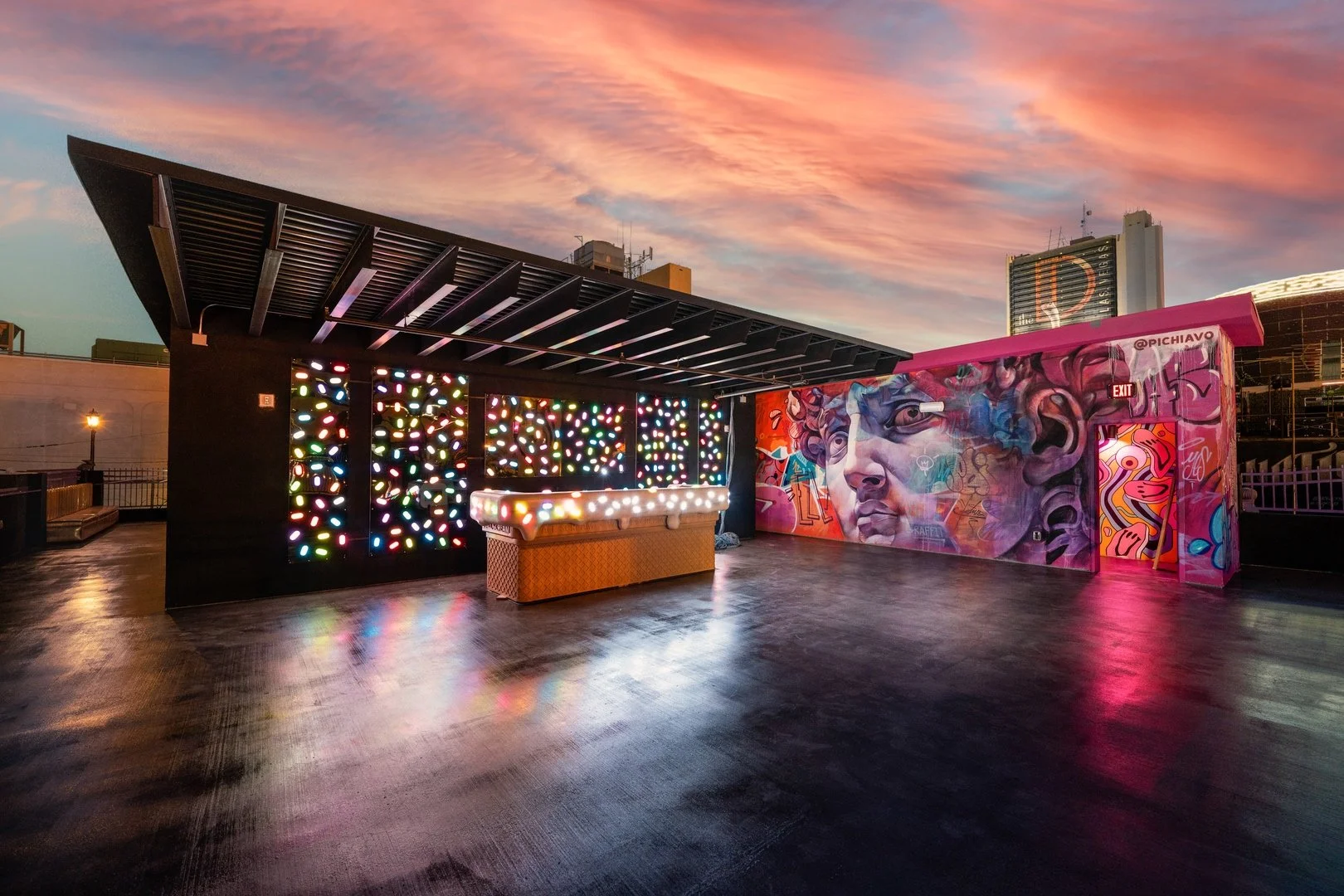
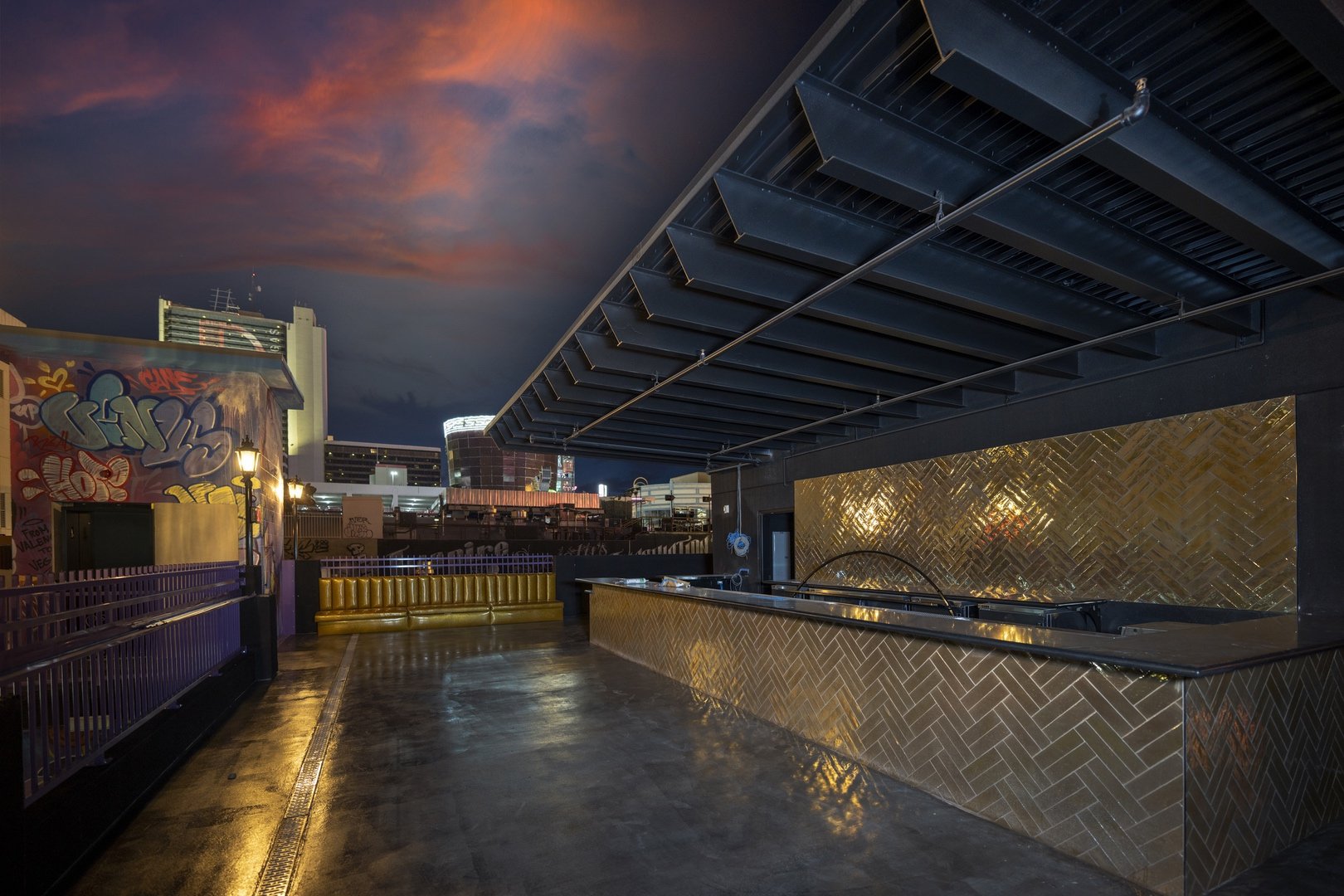
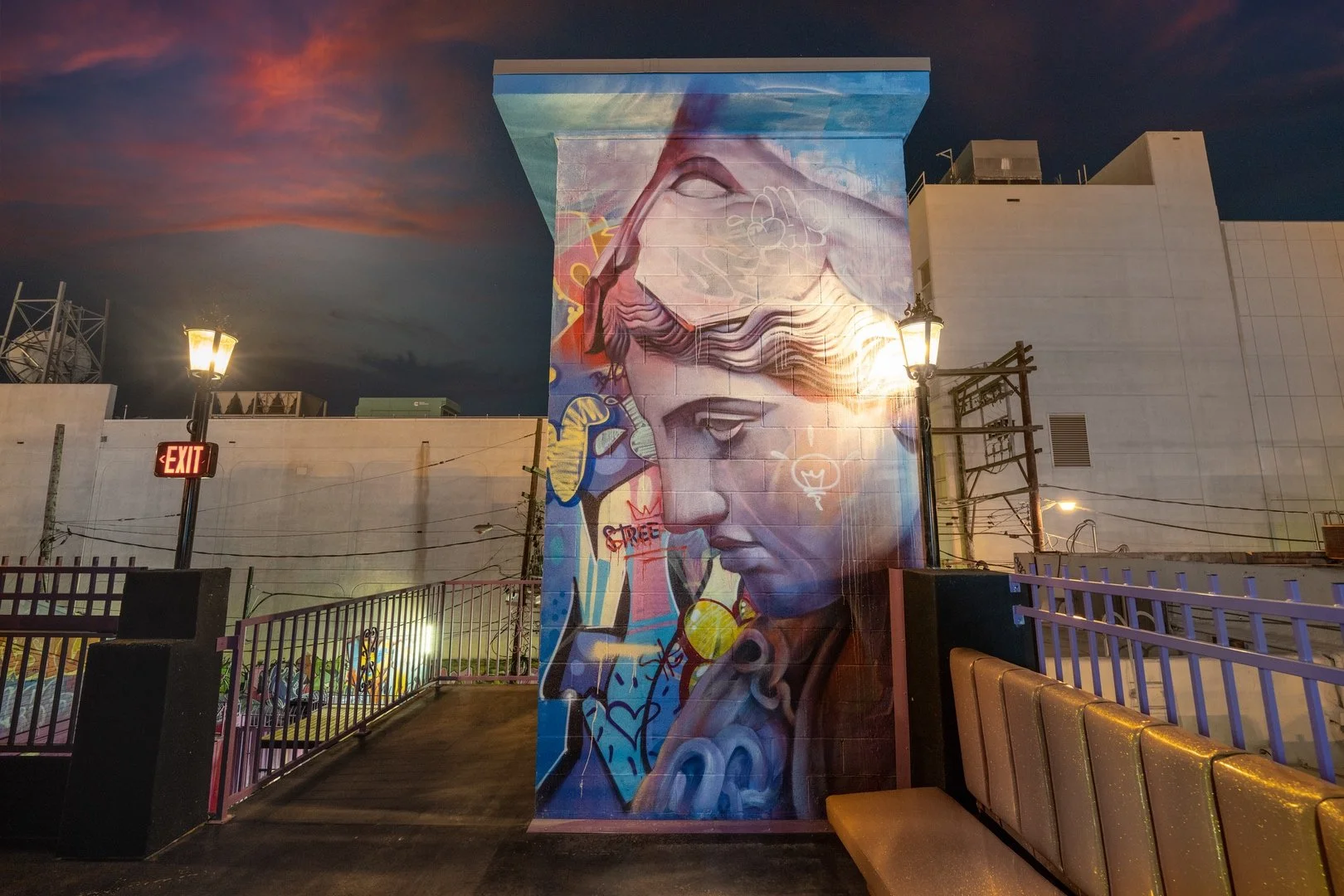
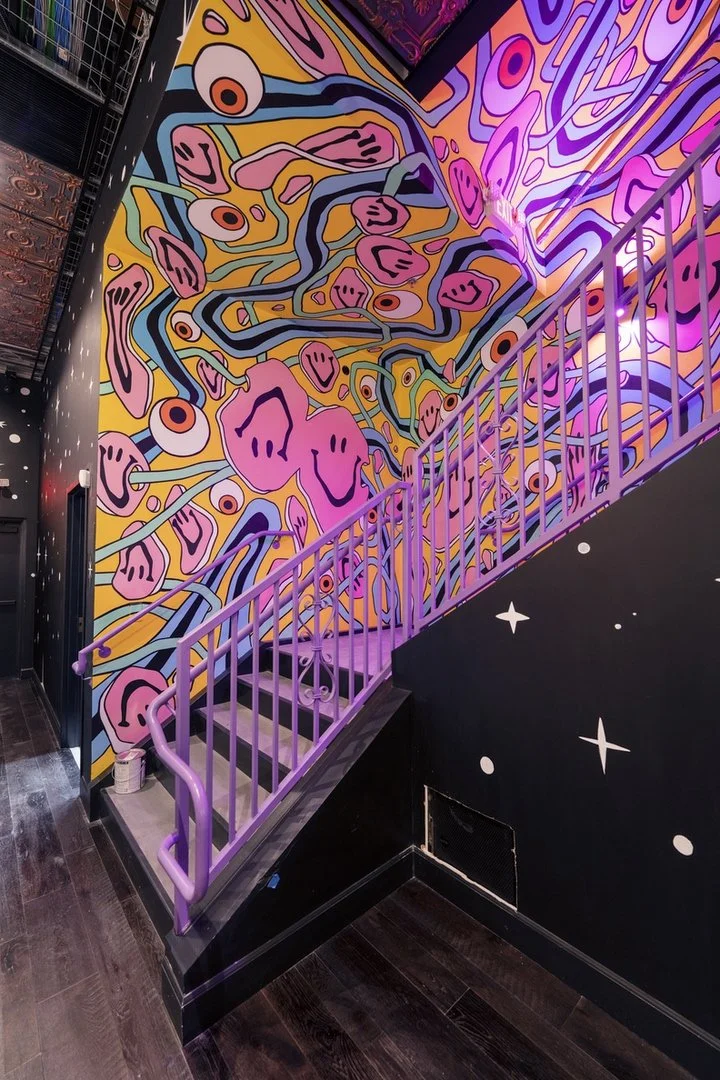
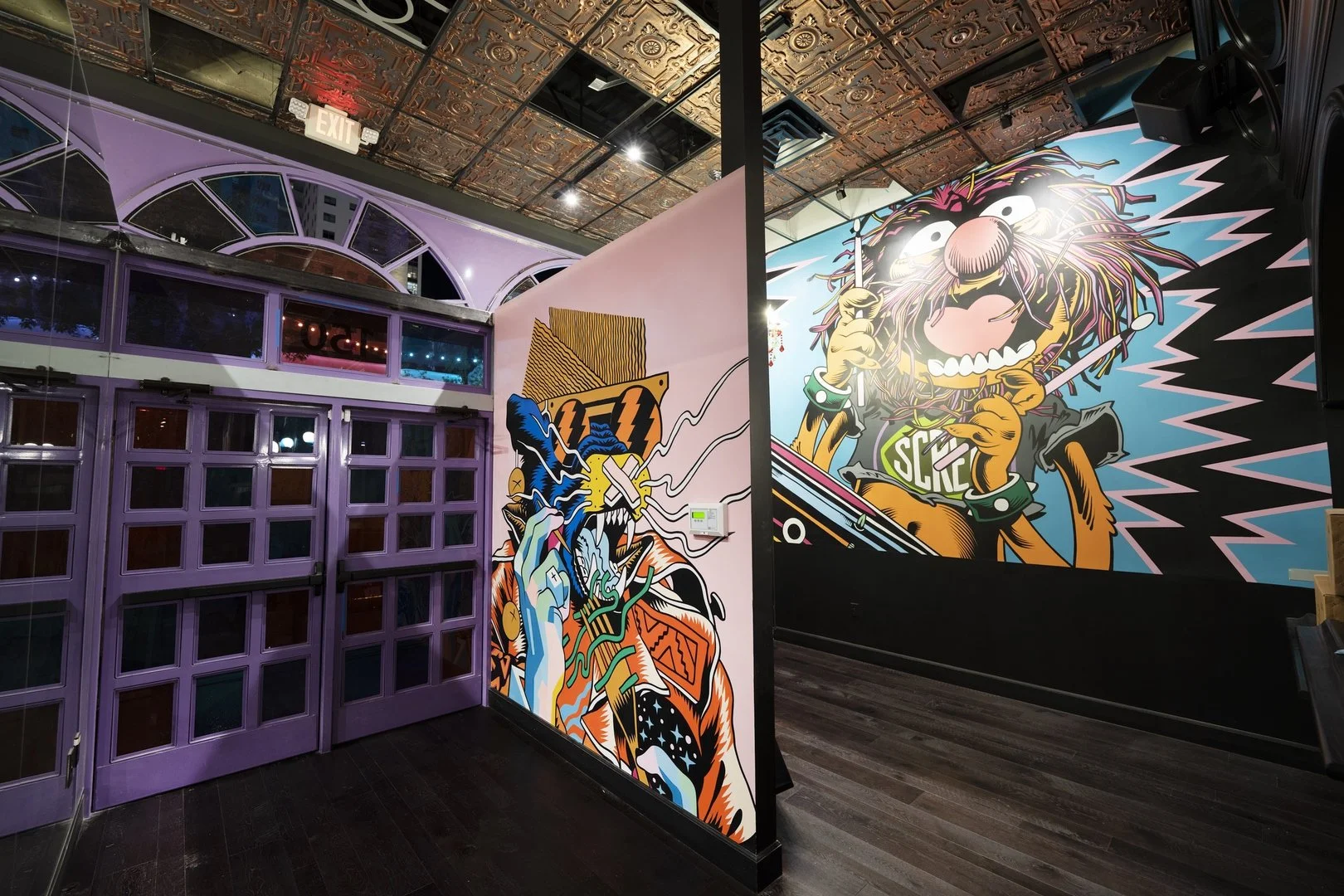
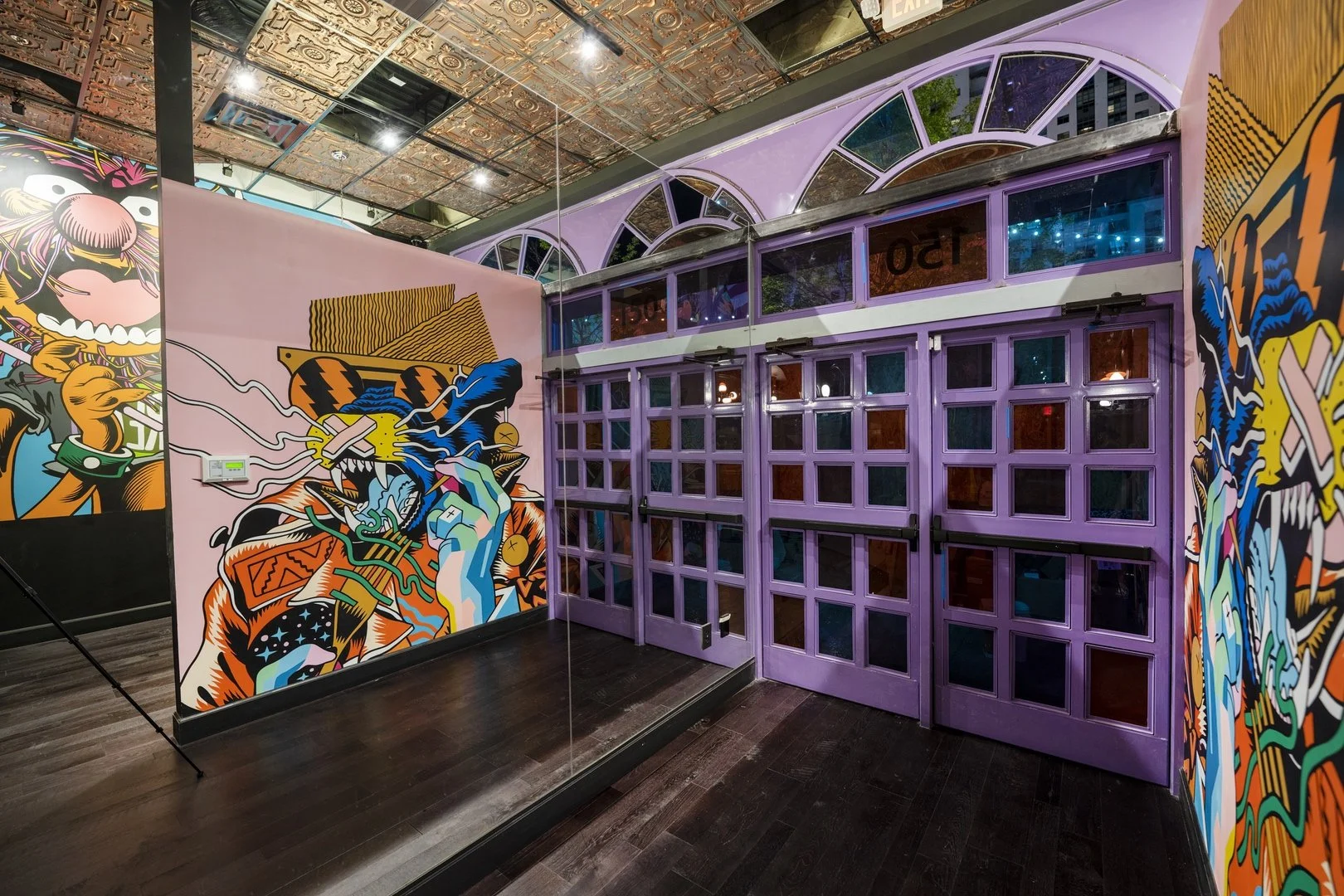
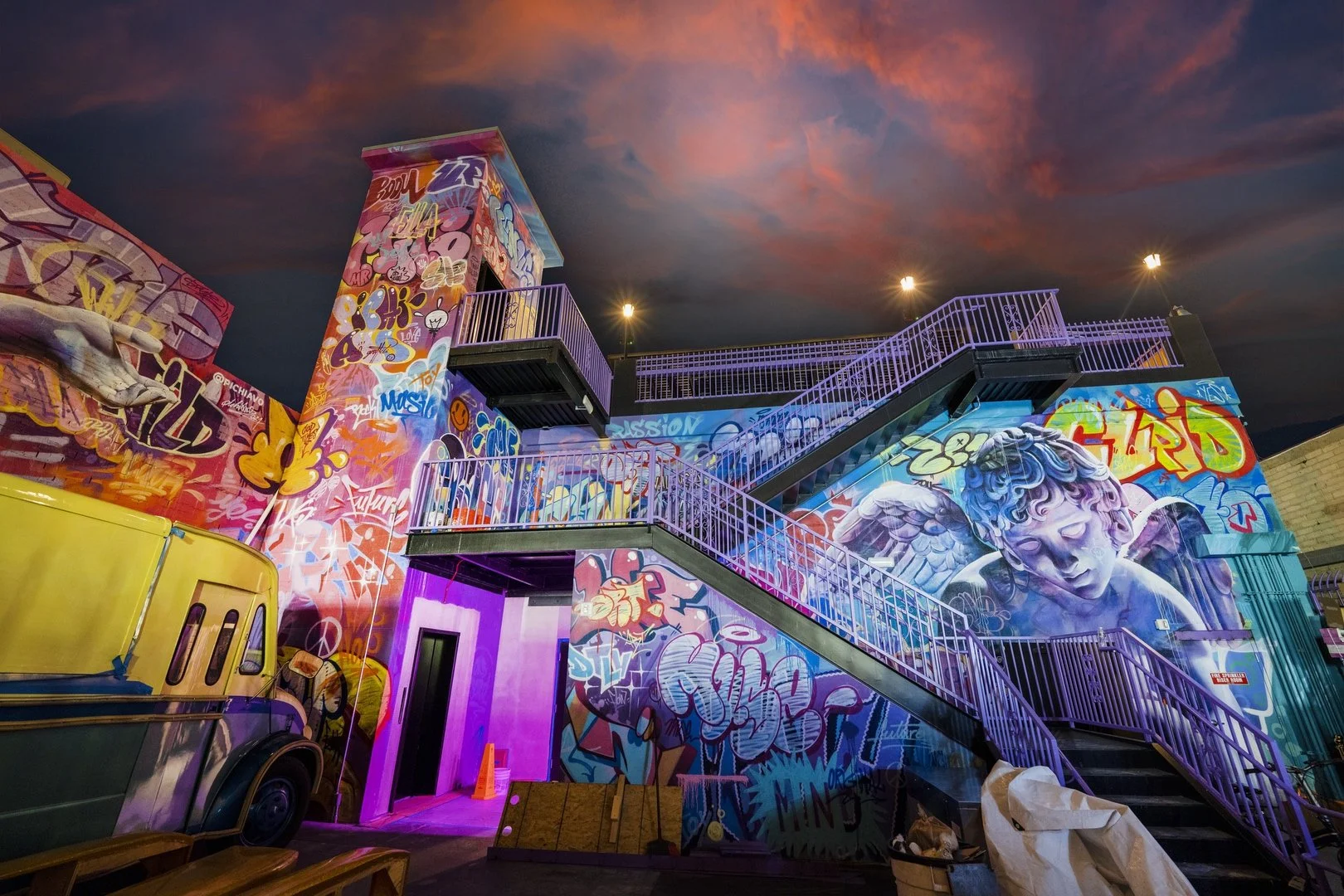
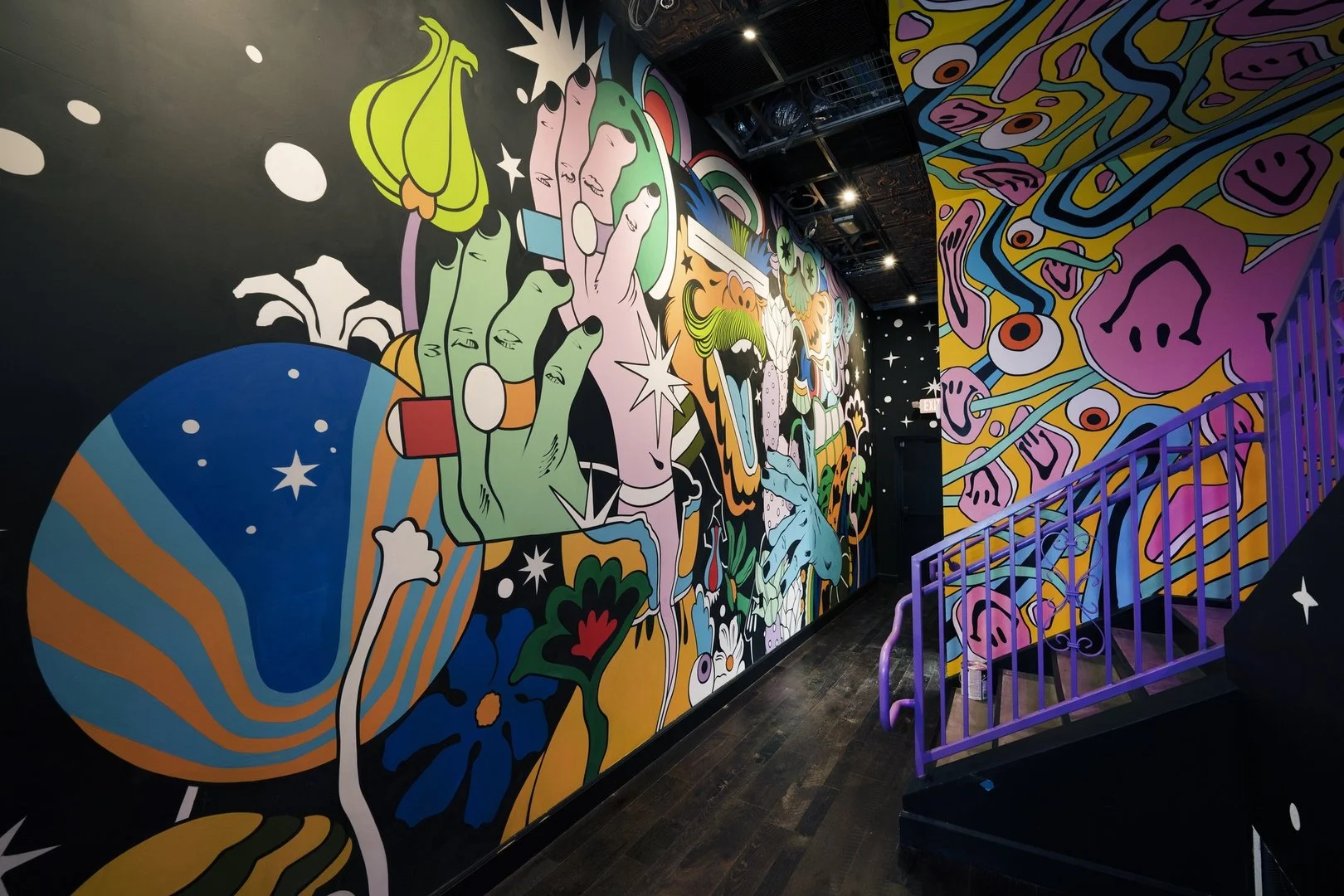
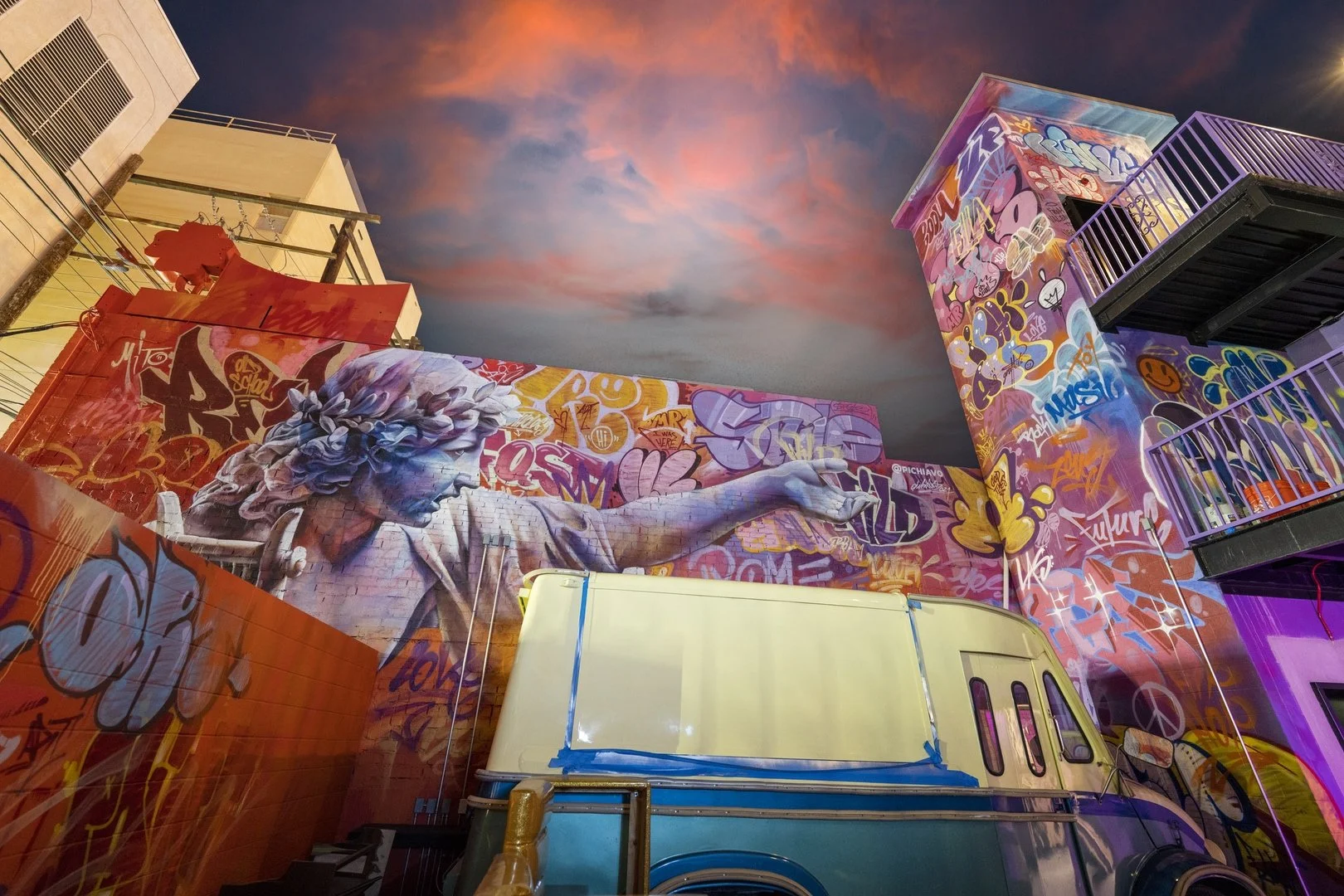
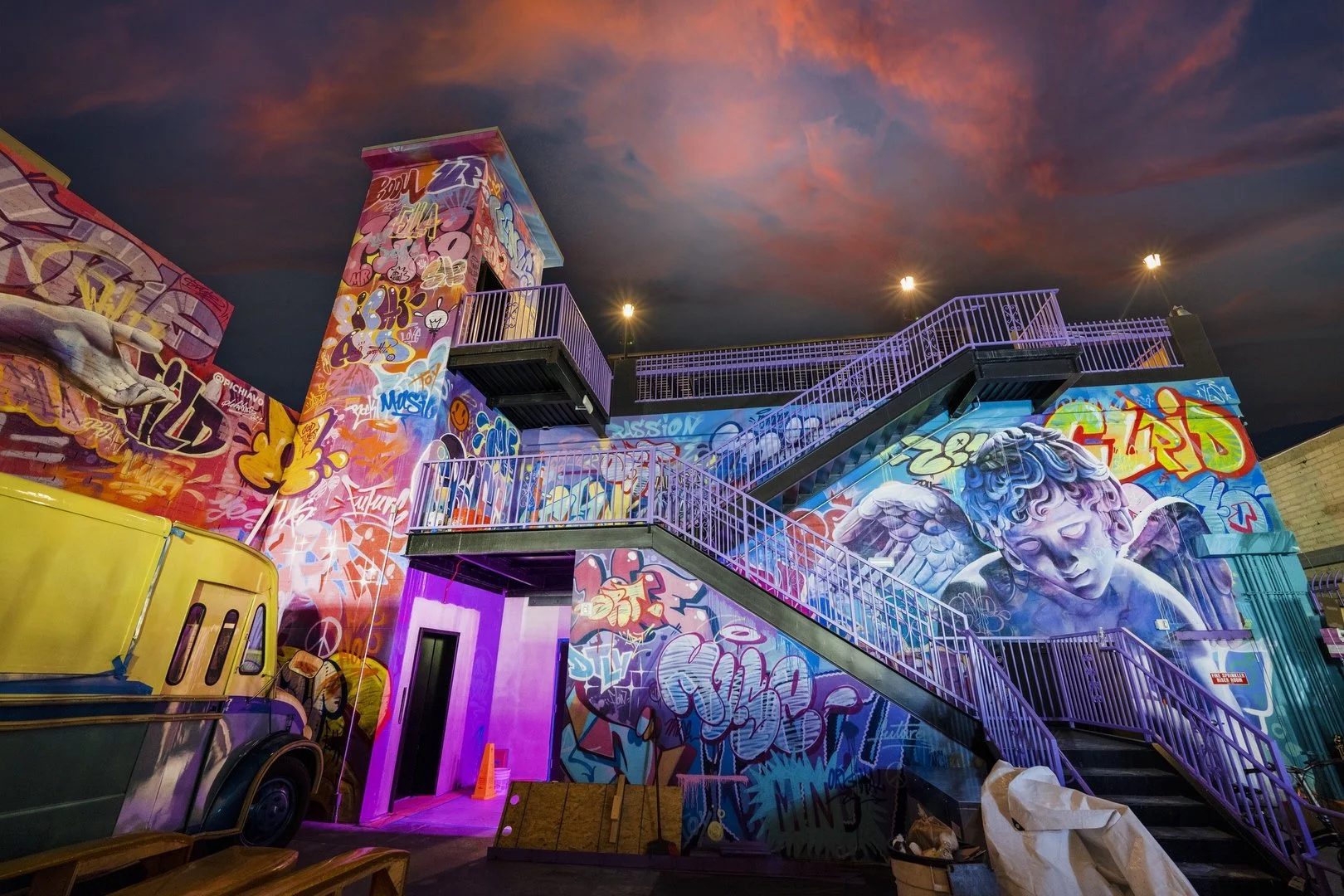
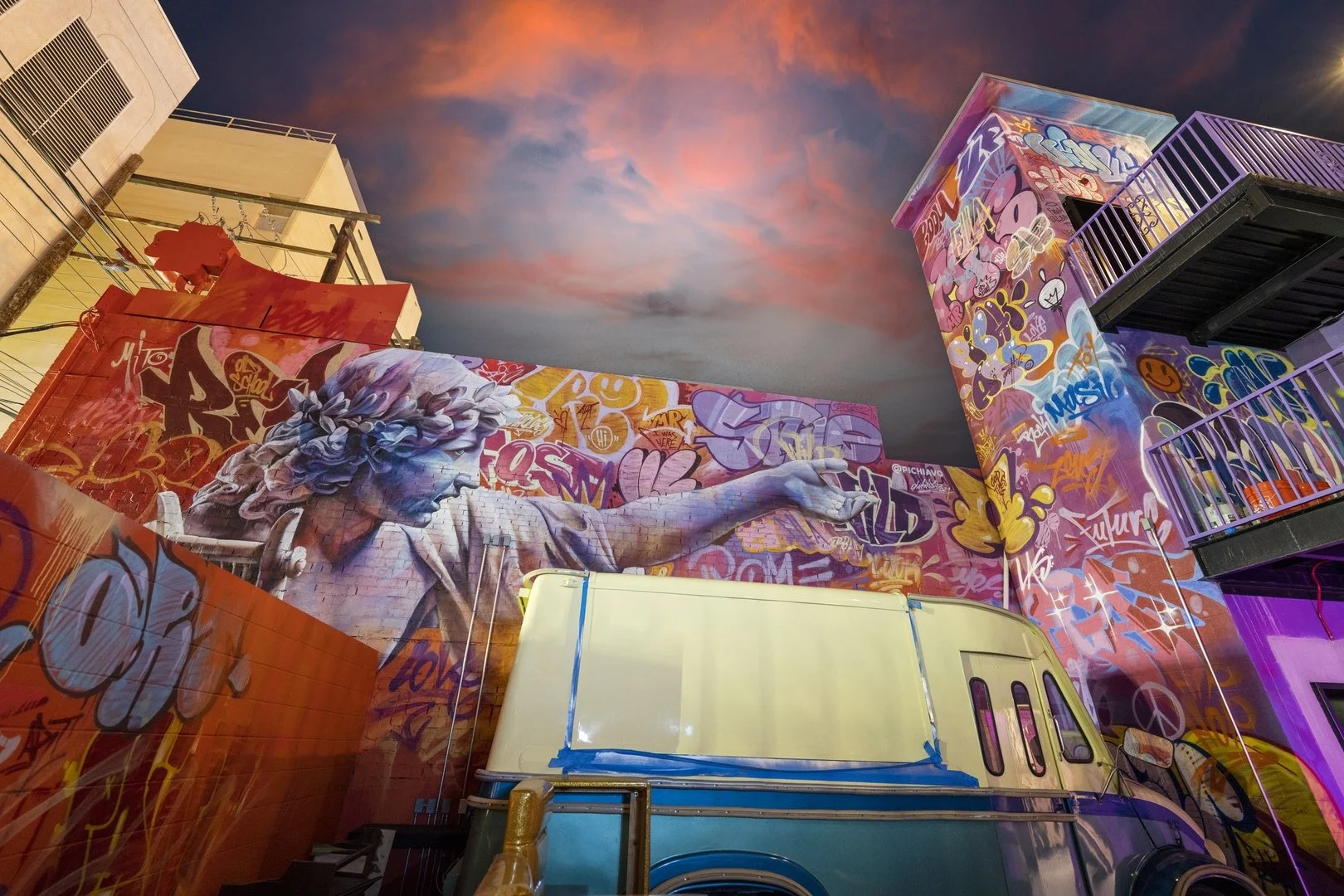
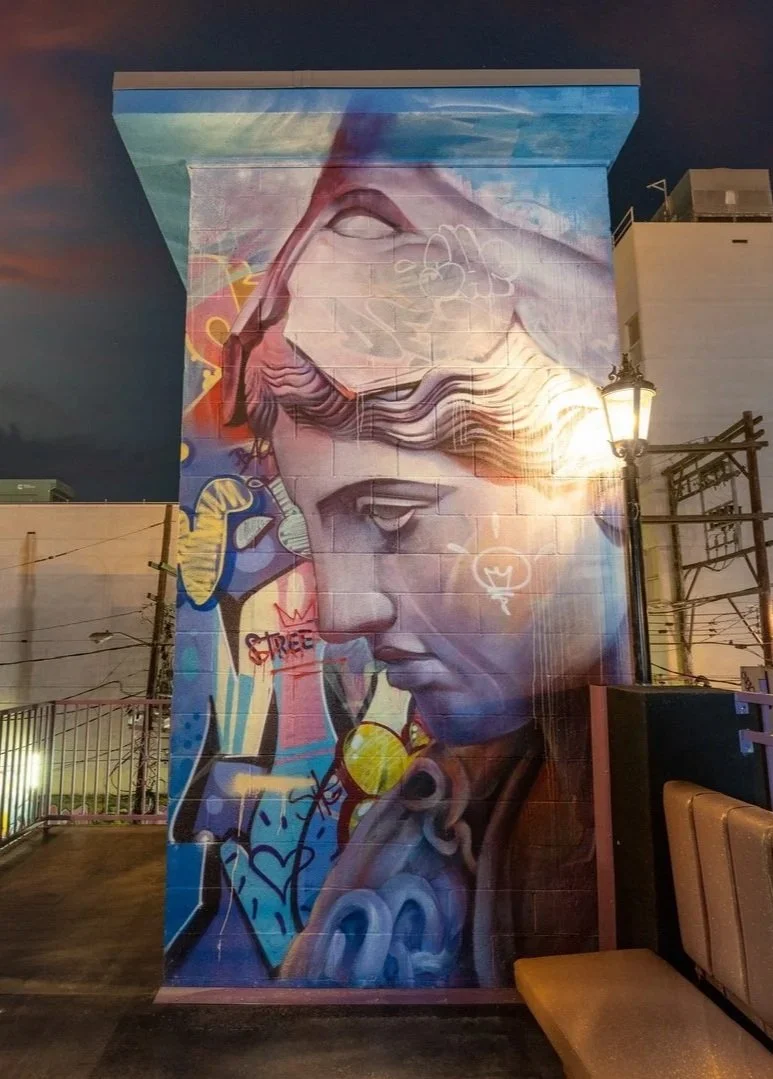
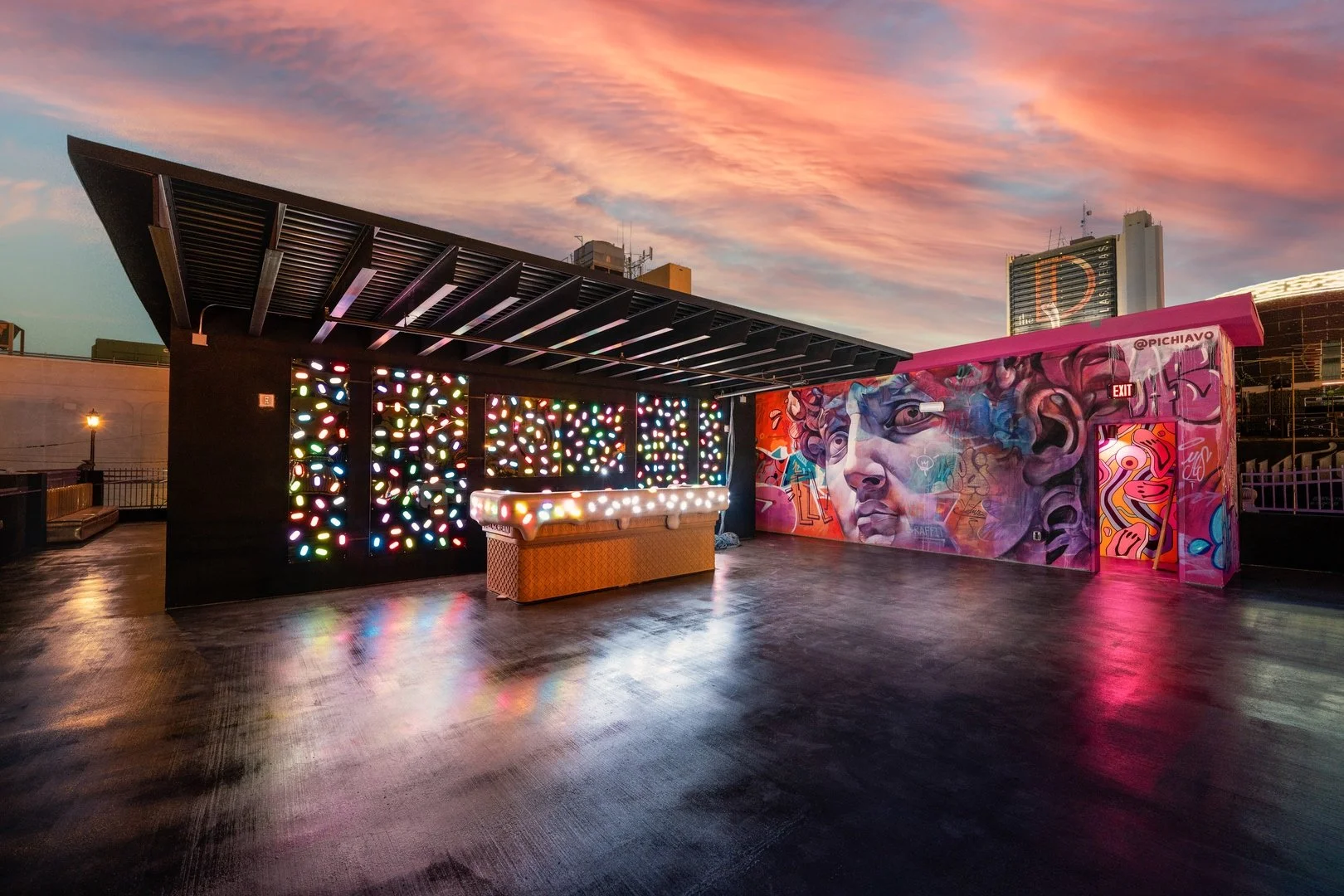
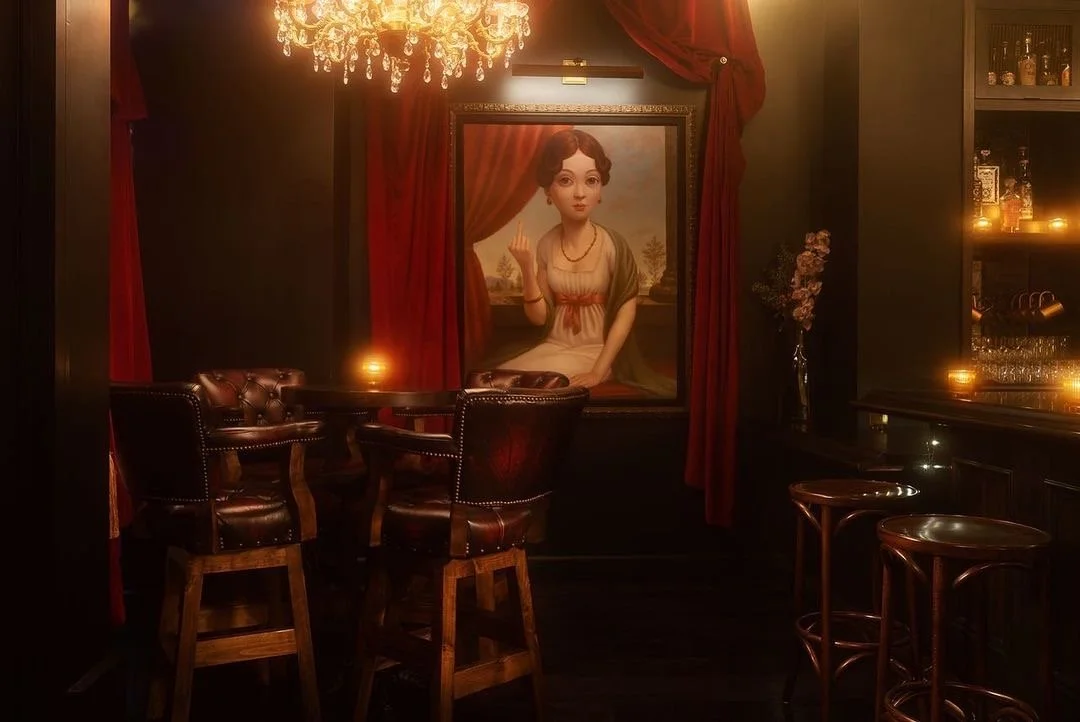
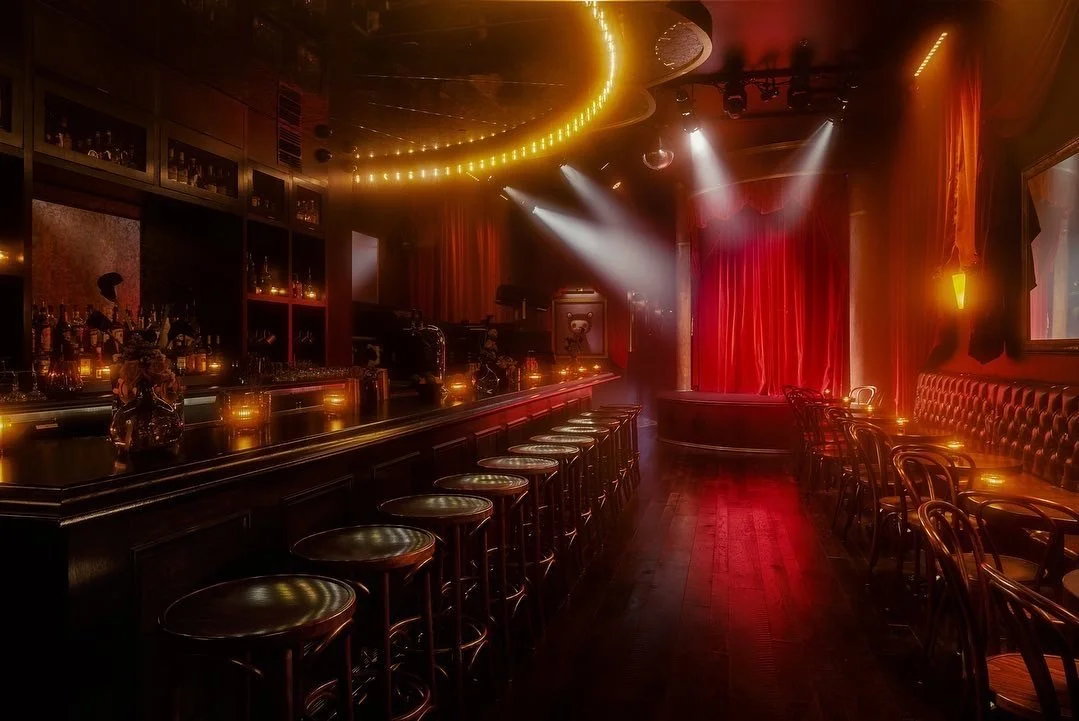
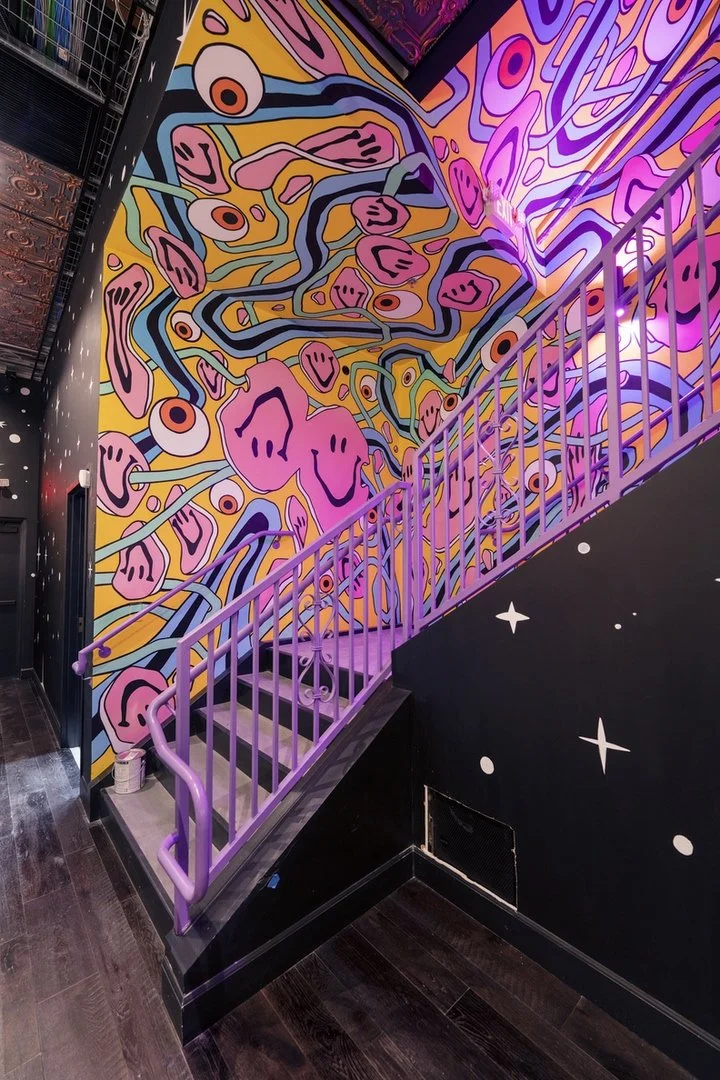
Building 180 played a part in that revival, contributing murals, sculptures, custom interiors and site-specific installations to public spaces, restaurants, bars and hotels.
The art is now part of the neighborhood’s new identity, helping downtown feel more layered and lived-in.
Across downtown Las Vegas, Building 180 worked at two scales at once.
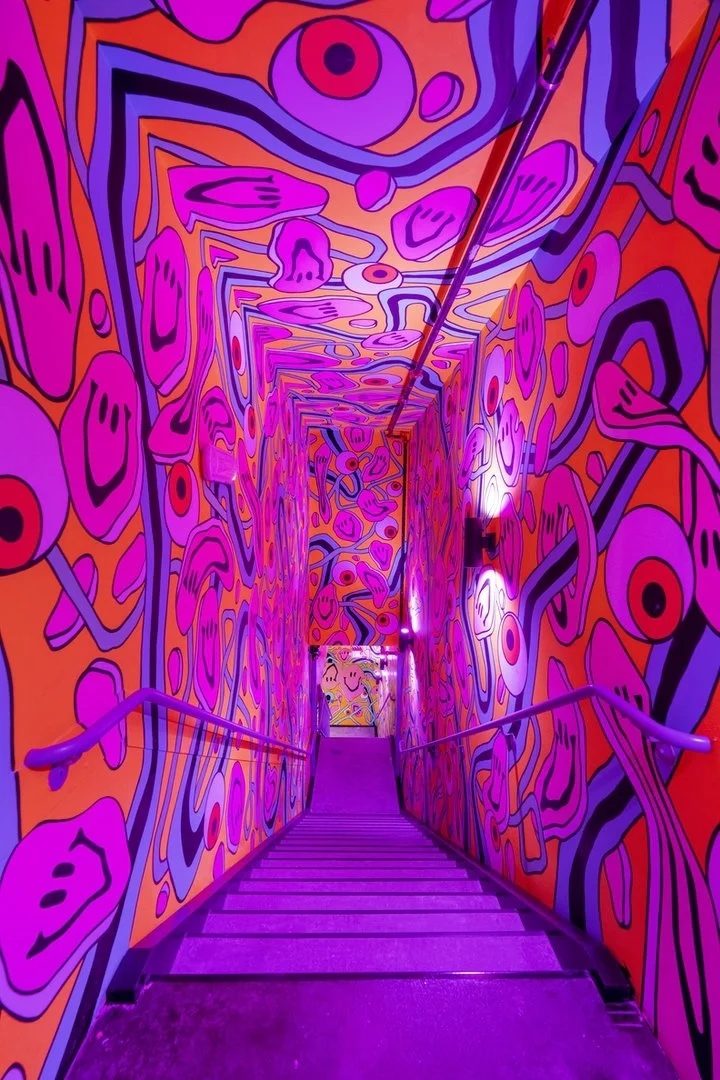
At the neighborhood level, the team created a visible creative layer throughout the district, bringing art into the places where people gathered, walked, ate, drank and explored.
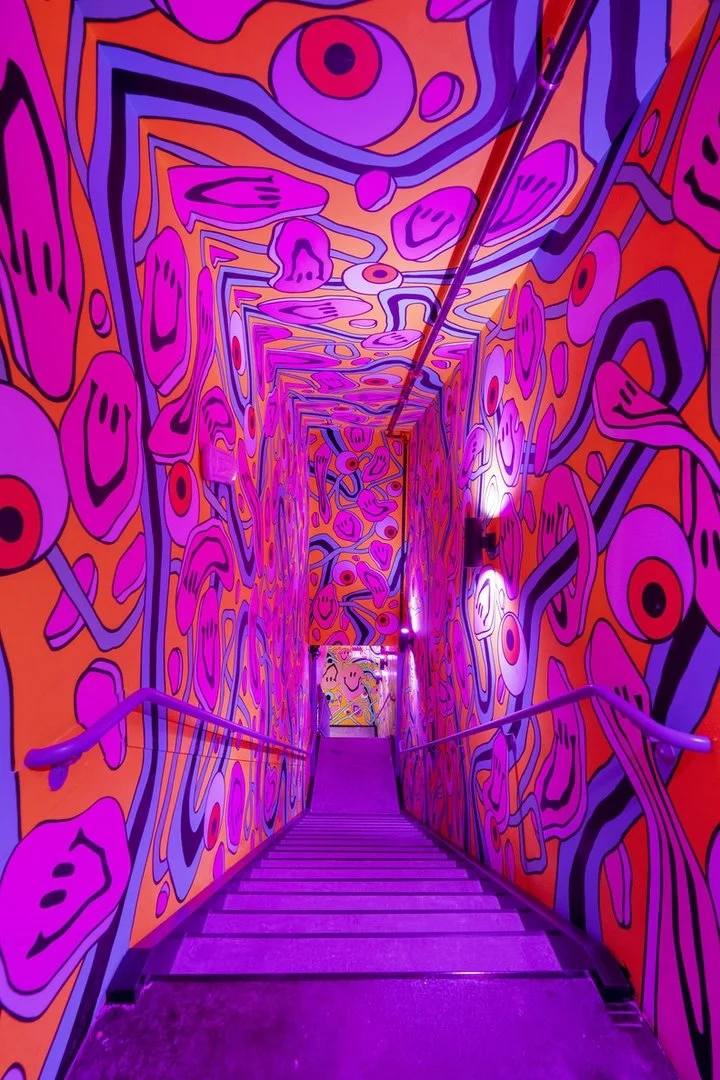
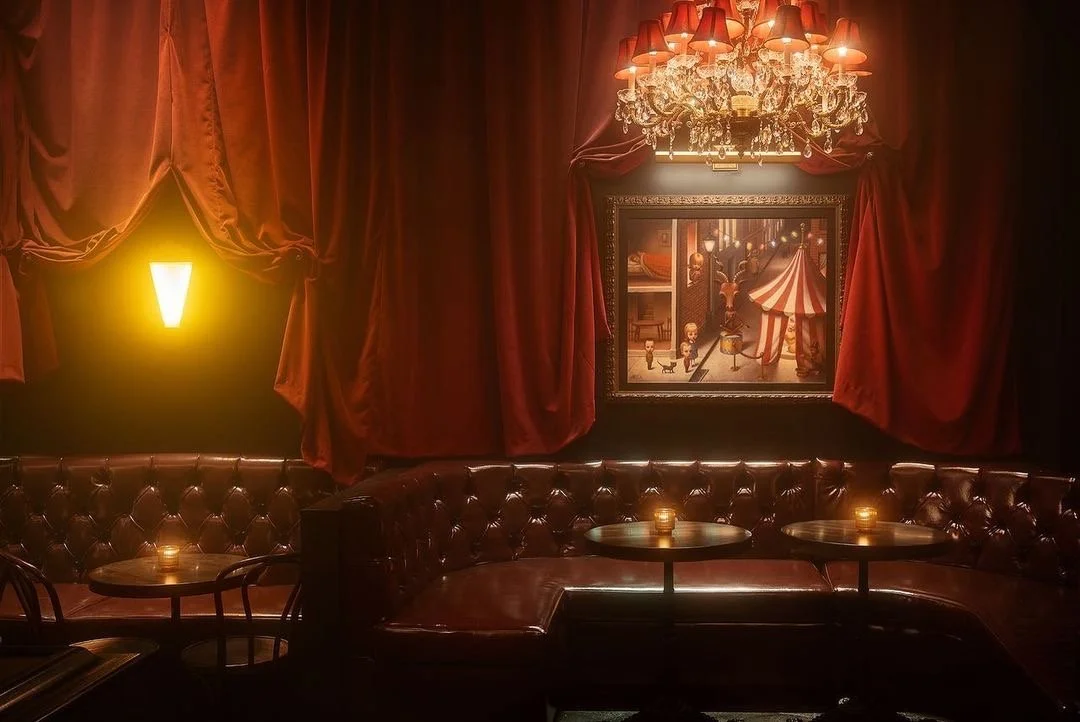
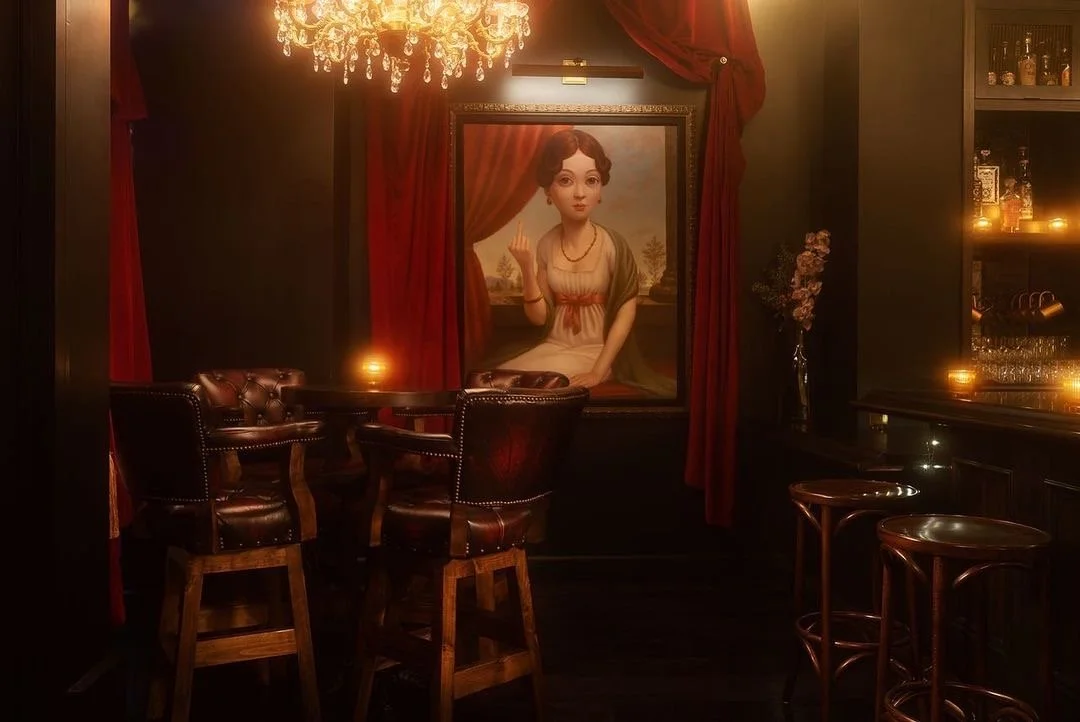
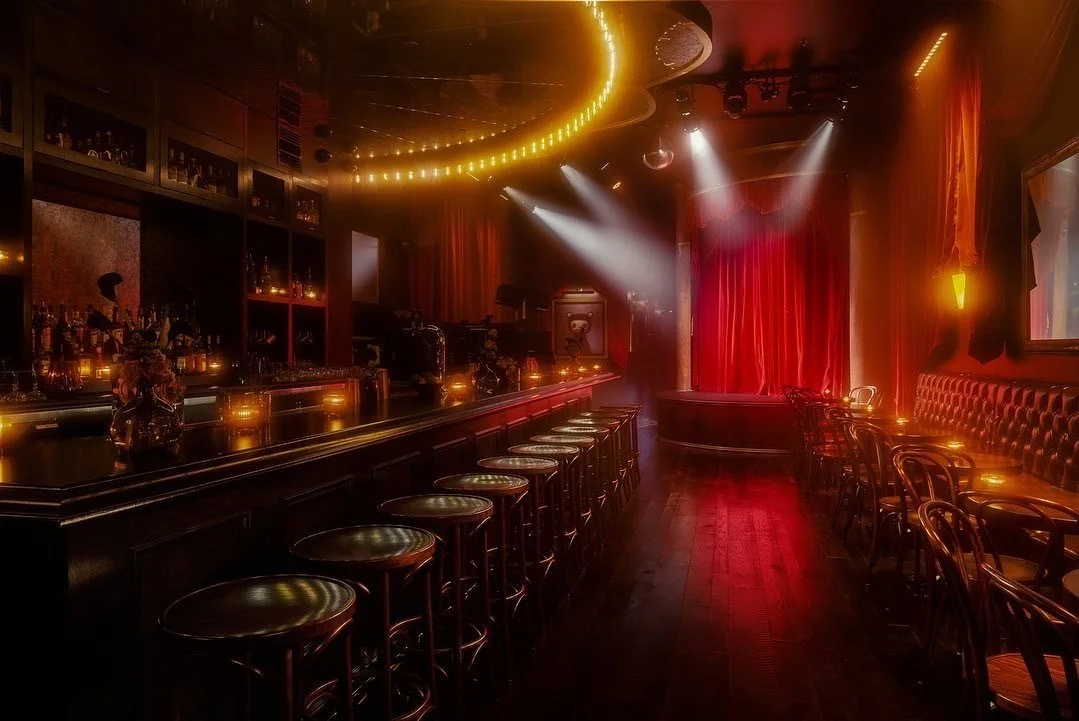
The team’s work included public art activations, murals, sculptures and custom interior fabrication for venues including Lucky Day, Cheapshot and We All Scream. Together, these projects helped give the district a distinct visual identity and a reason for people to keep moving through it.
At the building level, Building 180 brought the same creative approach to specific architectural and hospitality challenges — most notably at the Downtown Grand.
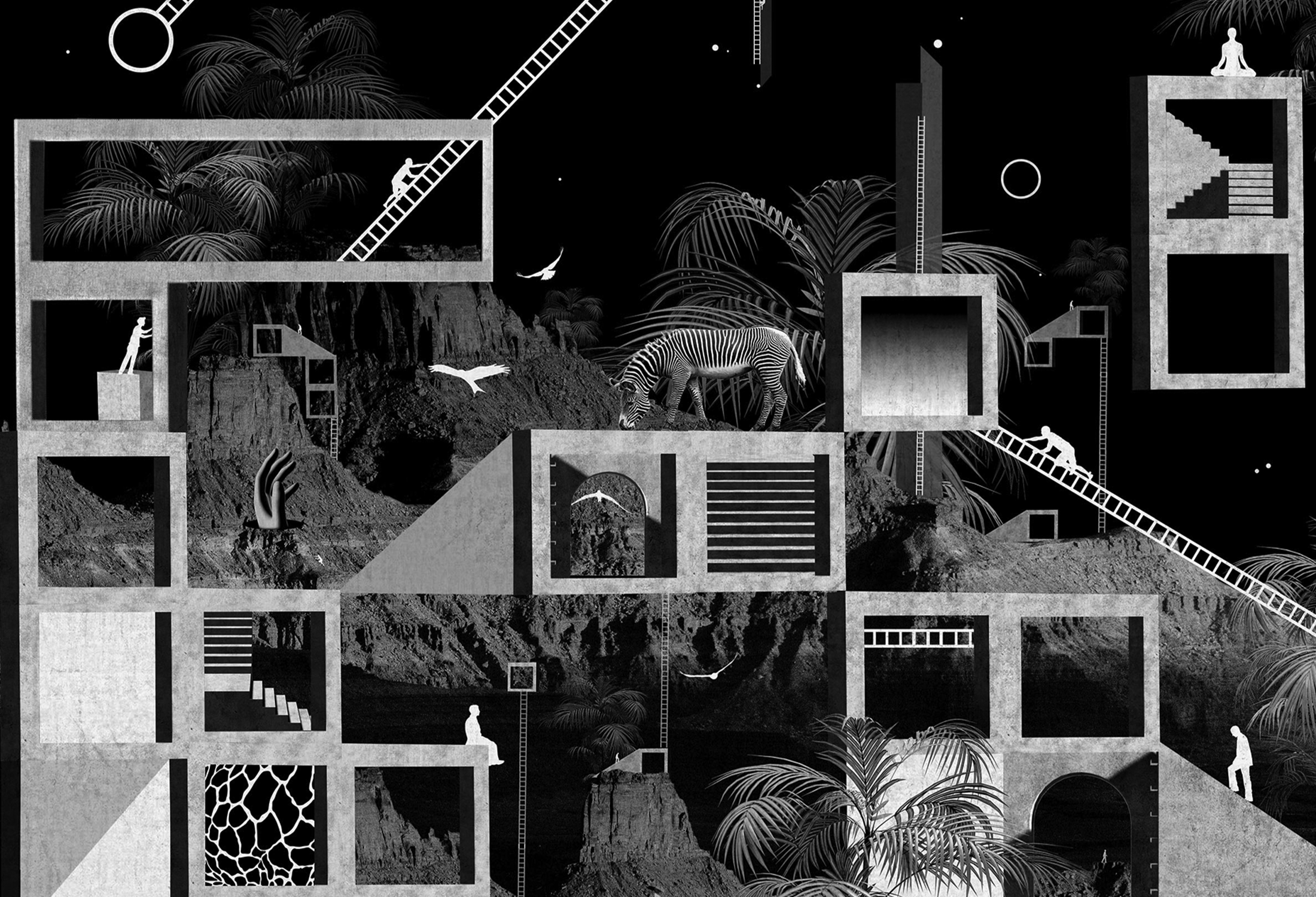
At the Downtown Grand, Building 180 converted an undesirable view into the highlight of the stay.
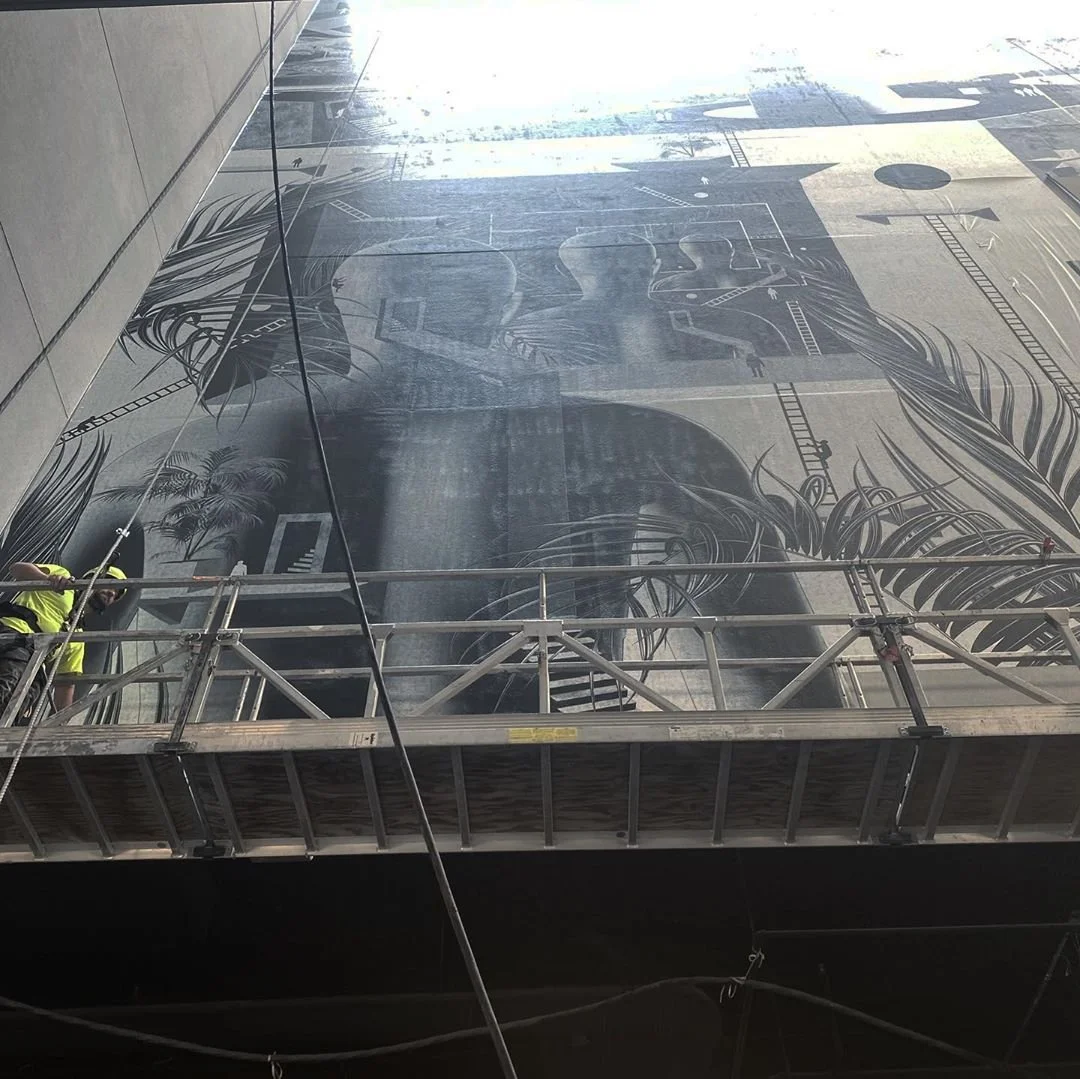
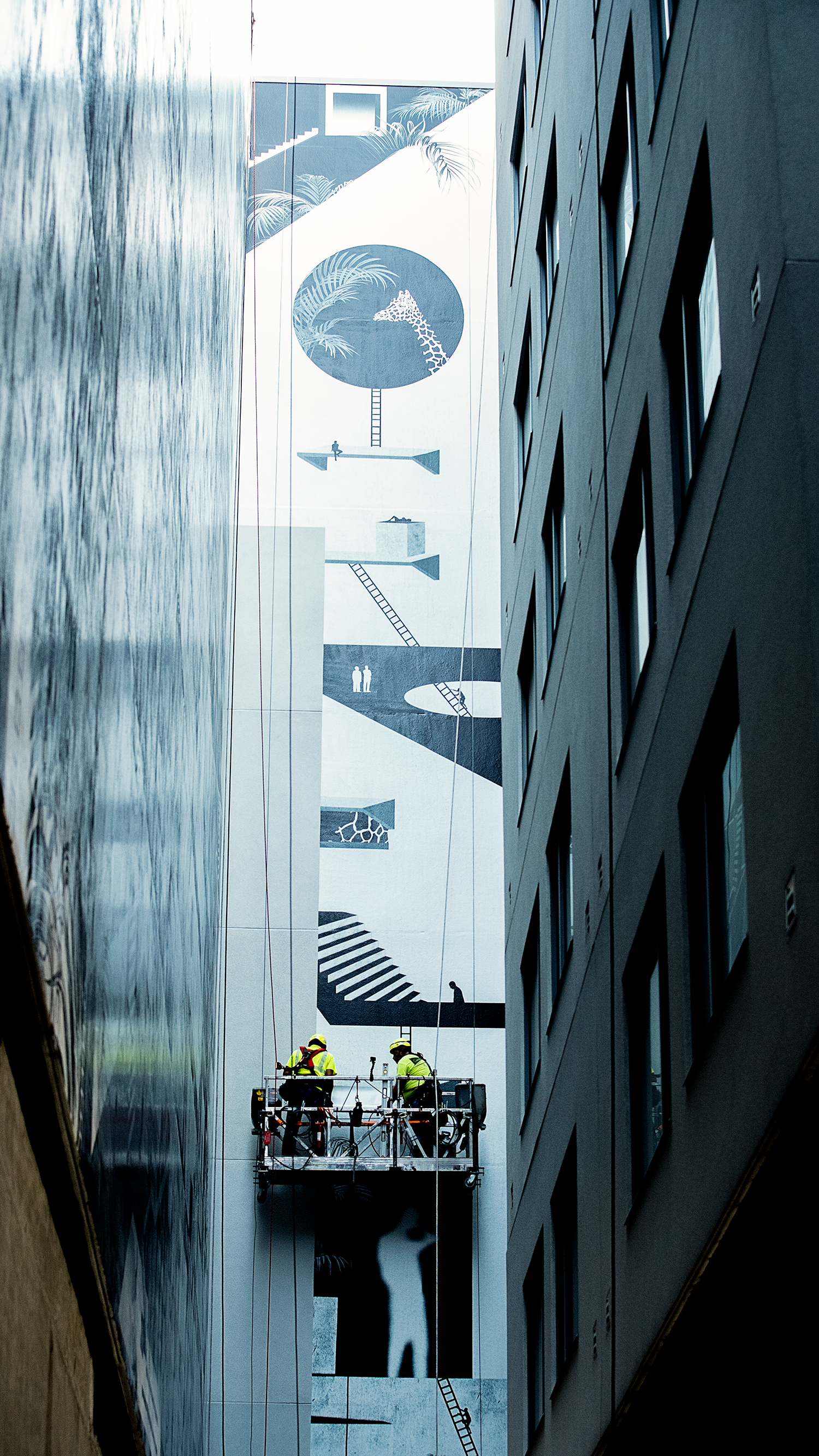
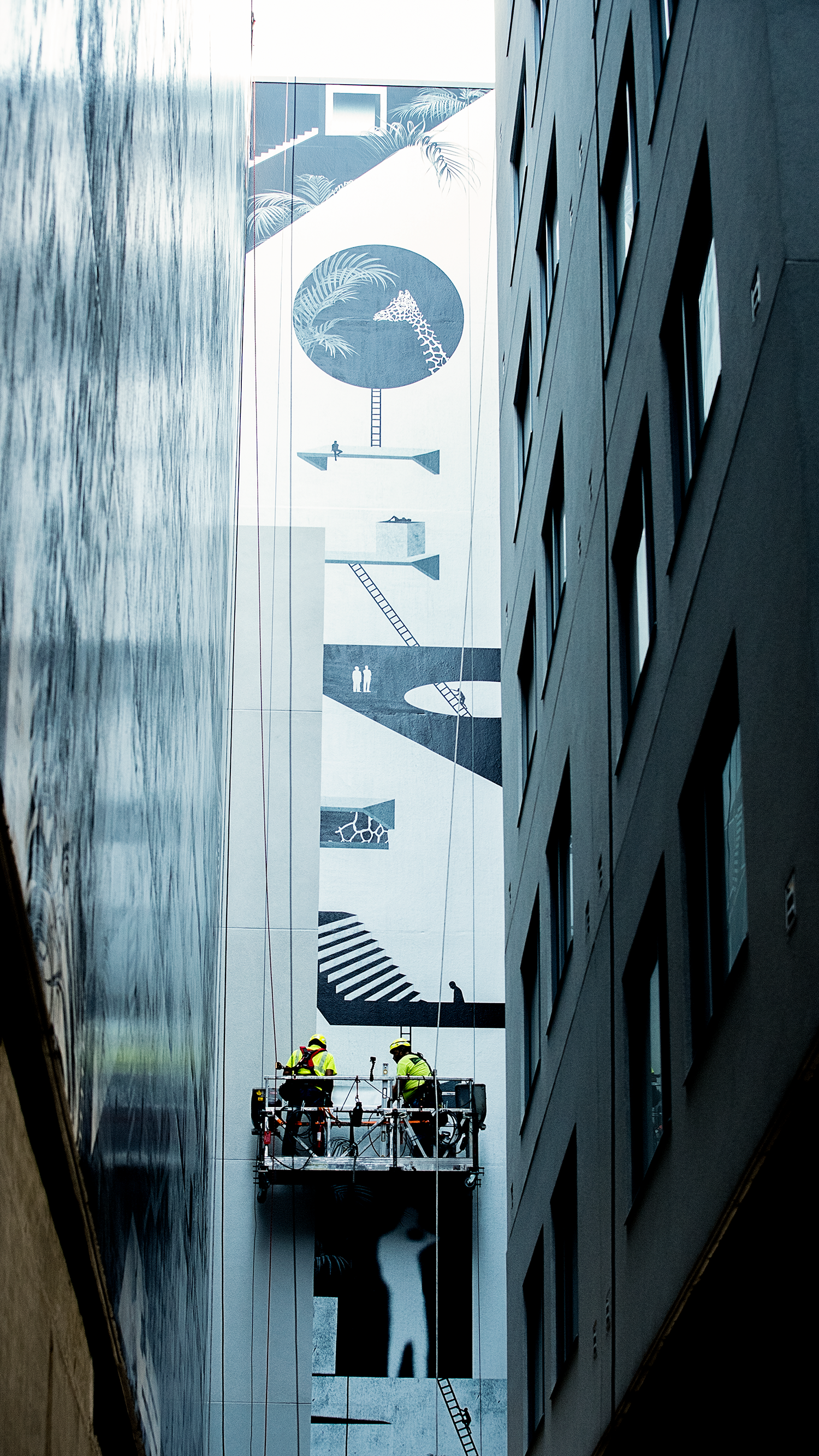
When the Downtown Grand opened its Gallery Tower, the hotel faced a major design problem: all 260 rooms looked directly into an interior lightwell.
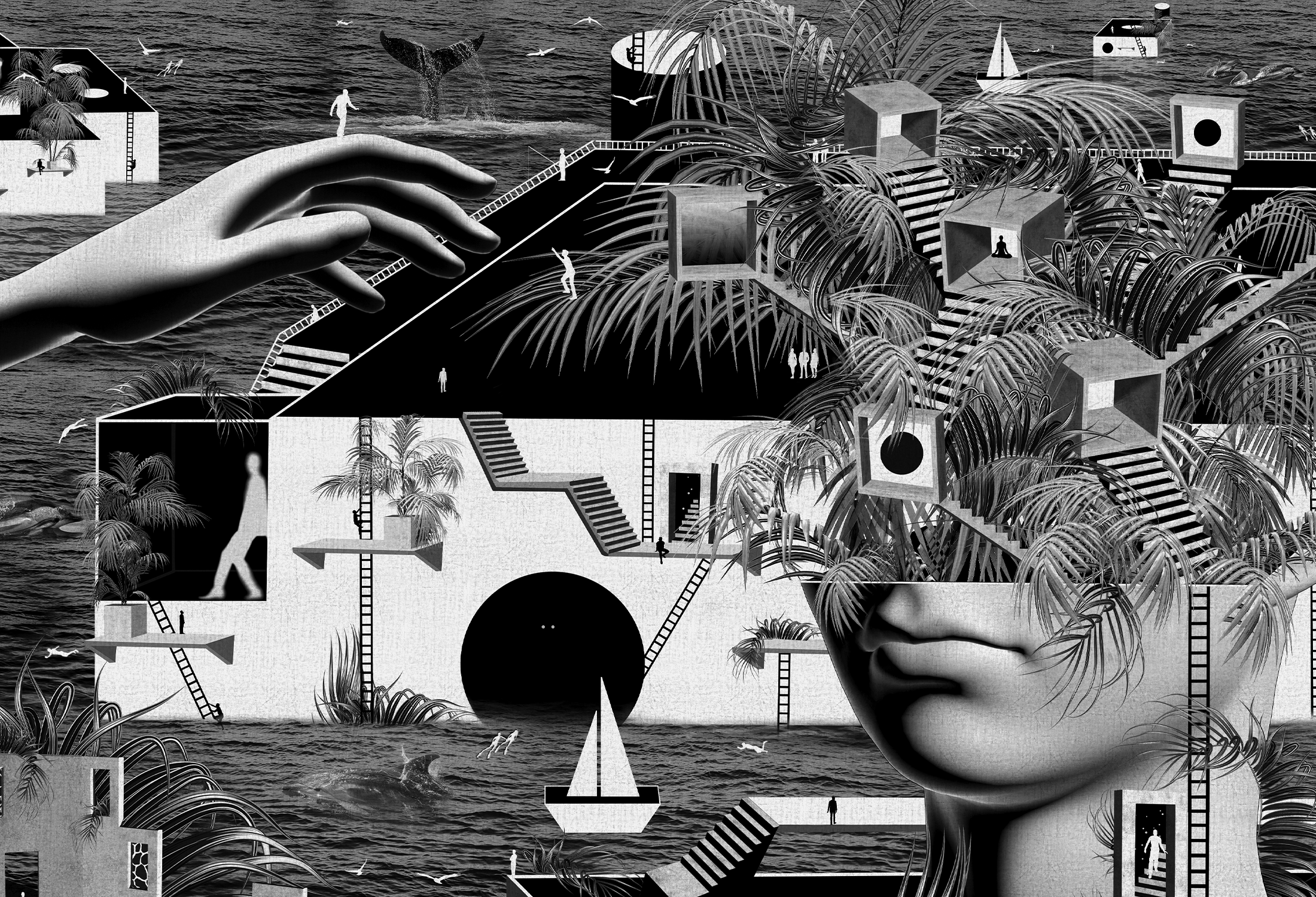
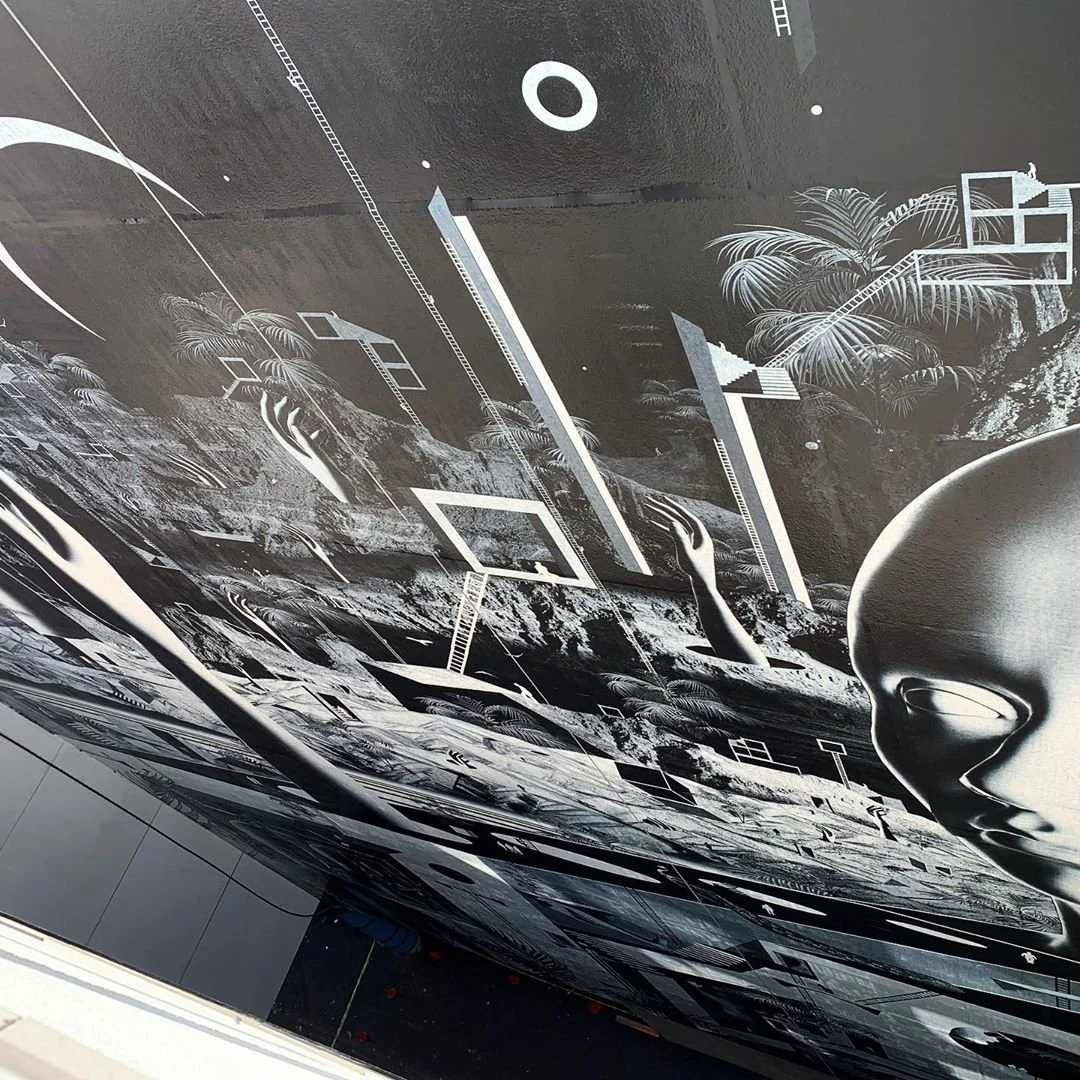
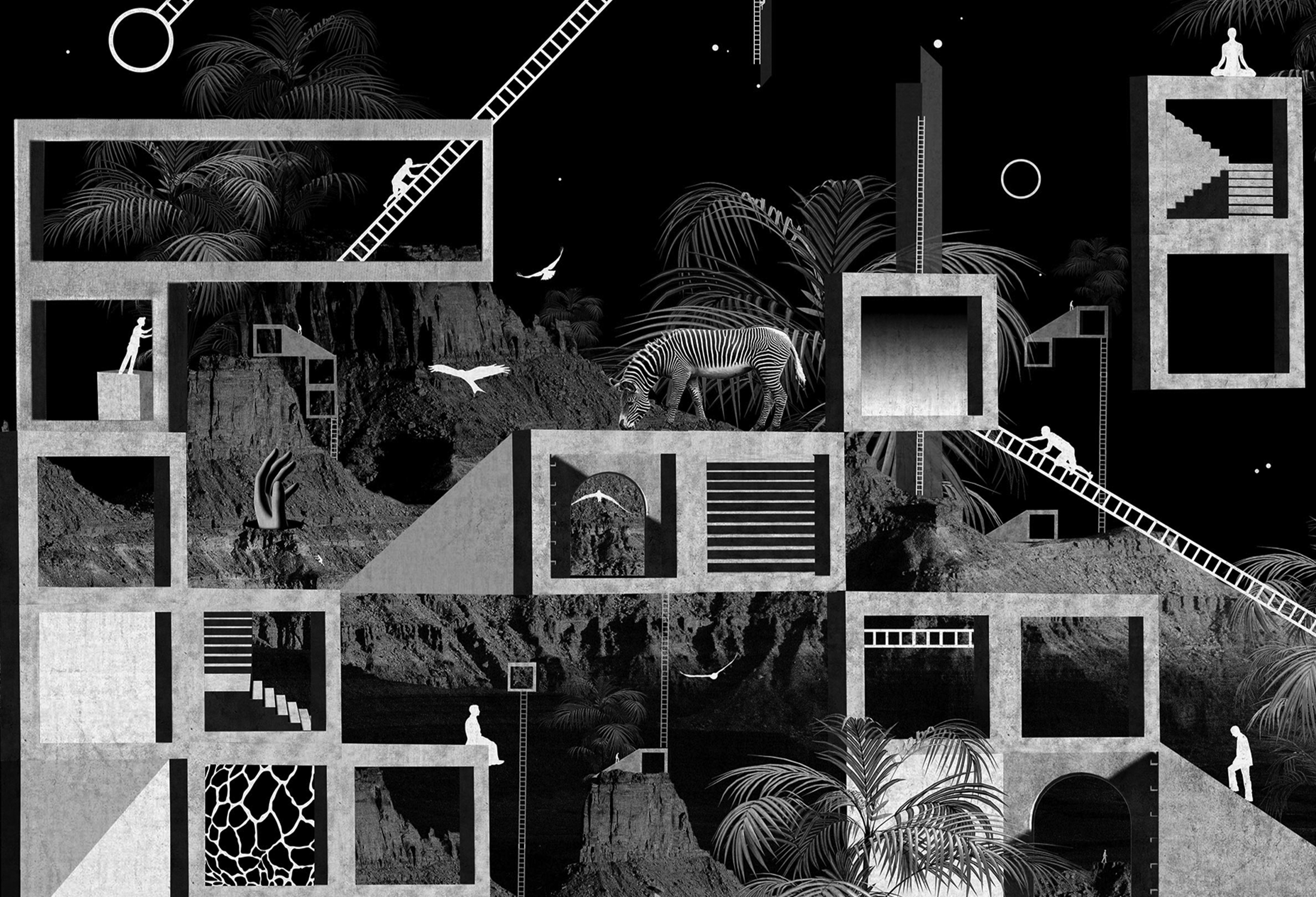
Instead of a standard mural, Building 180 commissioned artist Camila Magrane to create Transmigrations, recognized at the time of installation as the world’s largest augmented reality mural, spanning 15,000 square feet.
Each room received an iPad. When guests held the device up to their window, Magrane’s mural wall turned into an animated world, shifting based on the room’s unique vantage point.
The view was no longer a limitation. It became sought after and remembered.
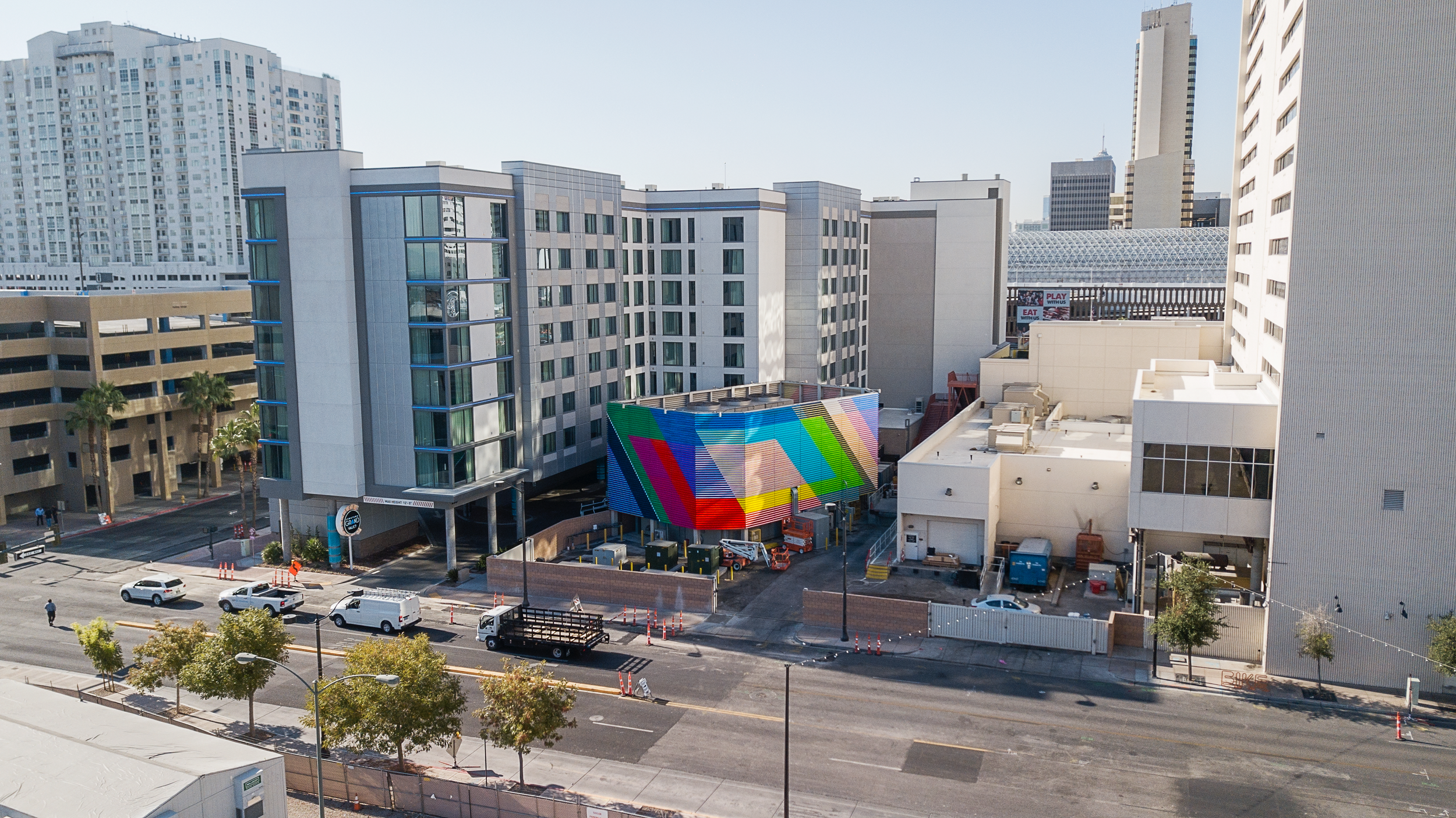
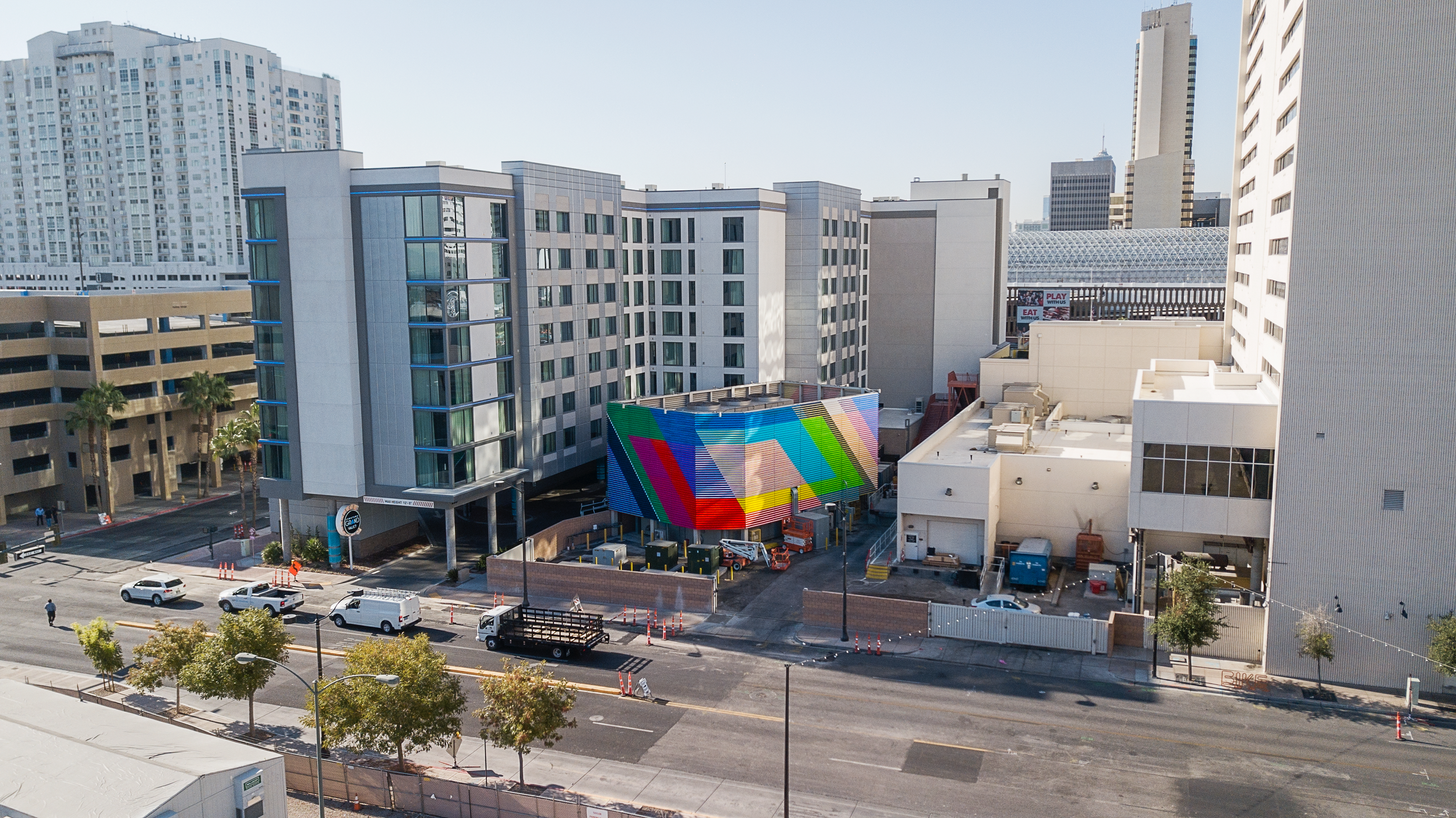
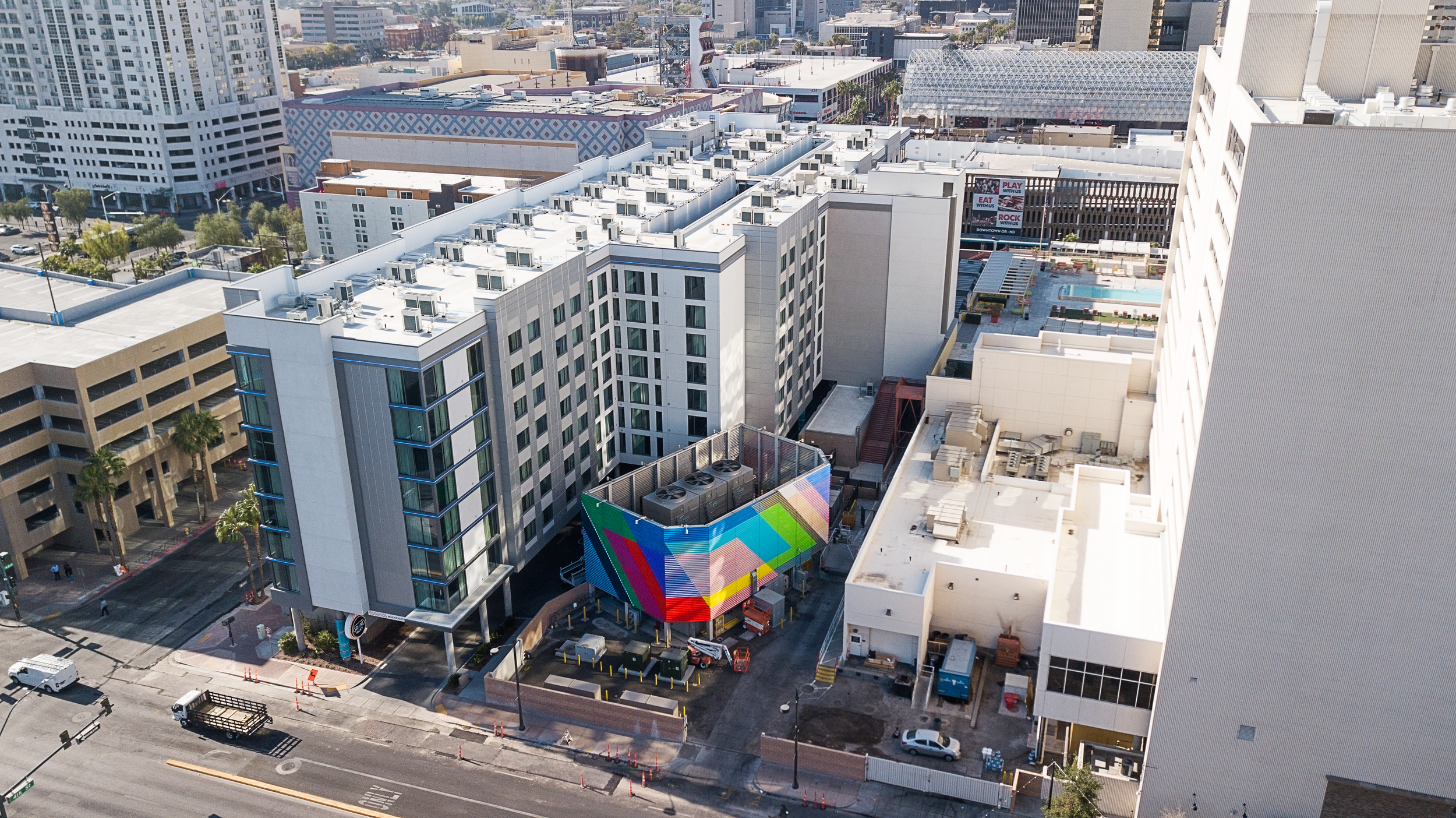
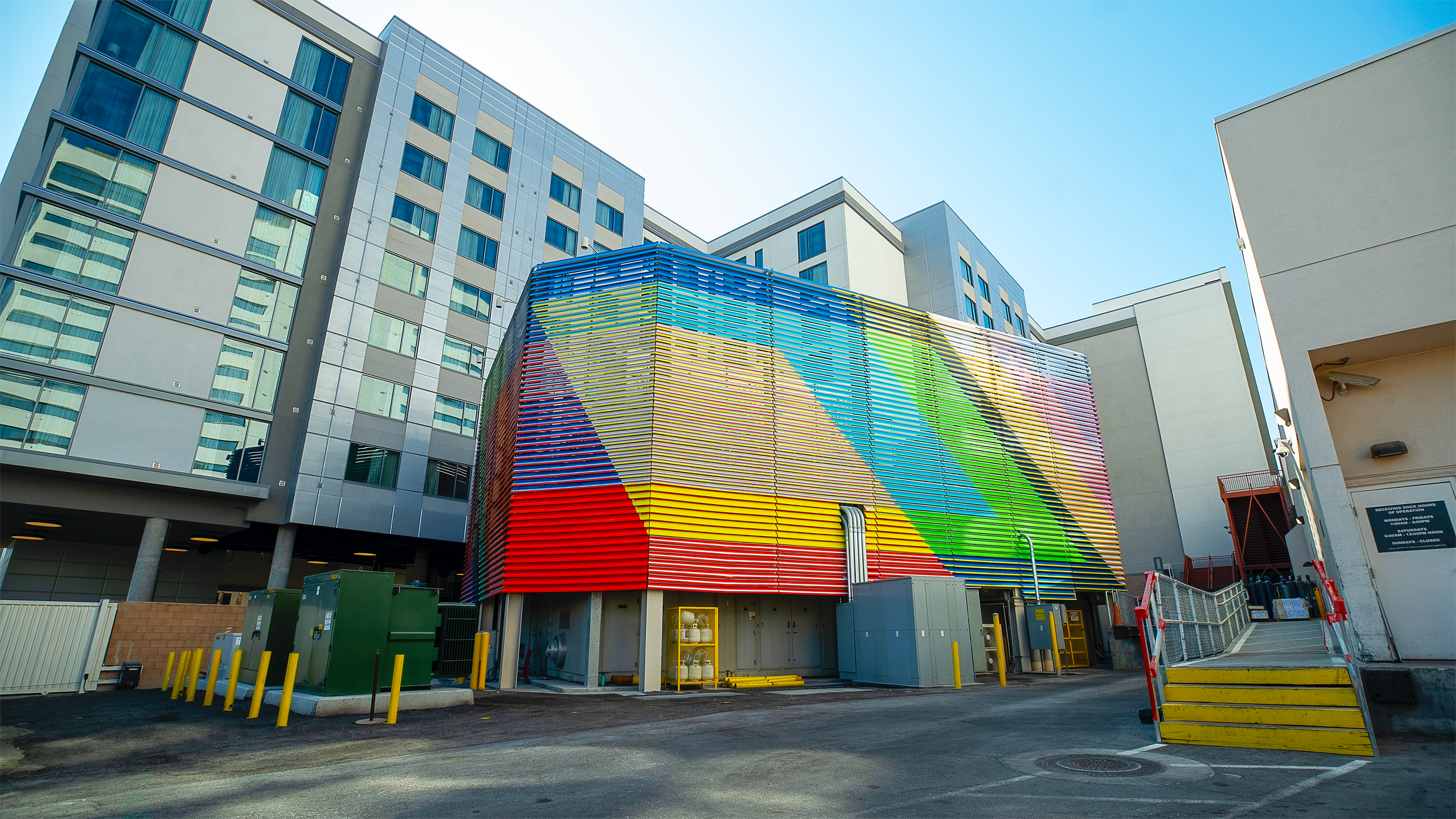
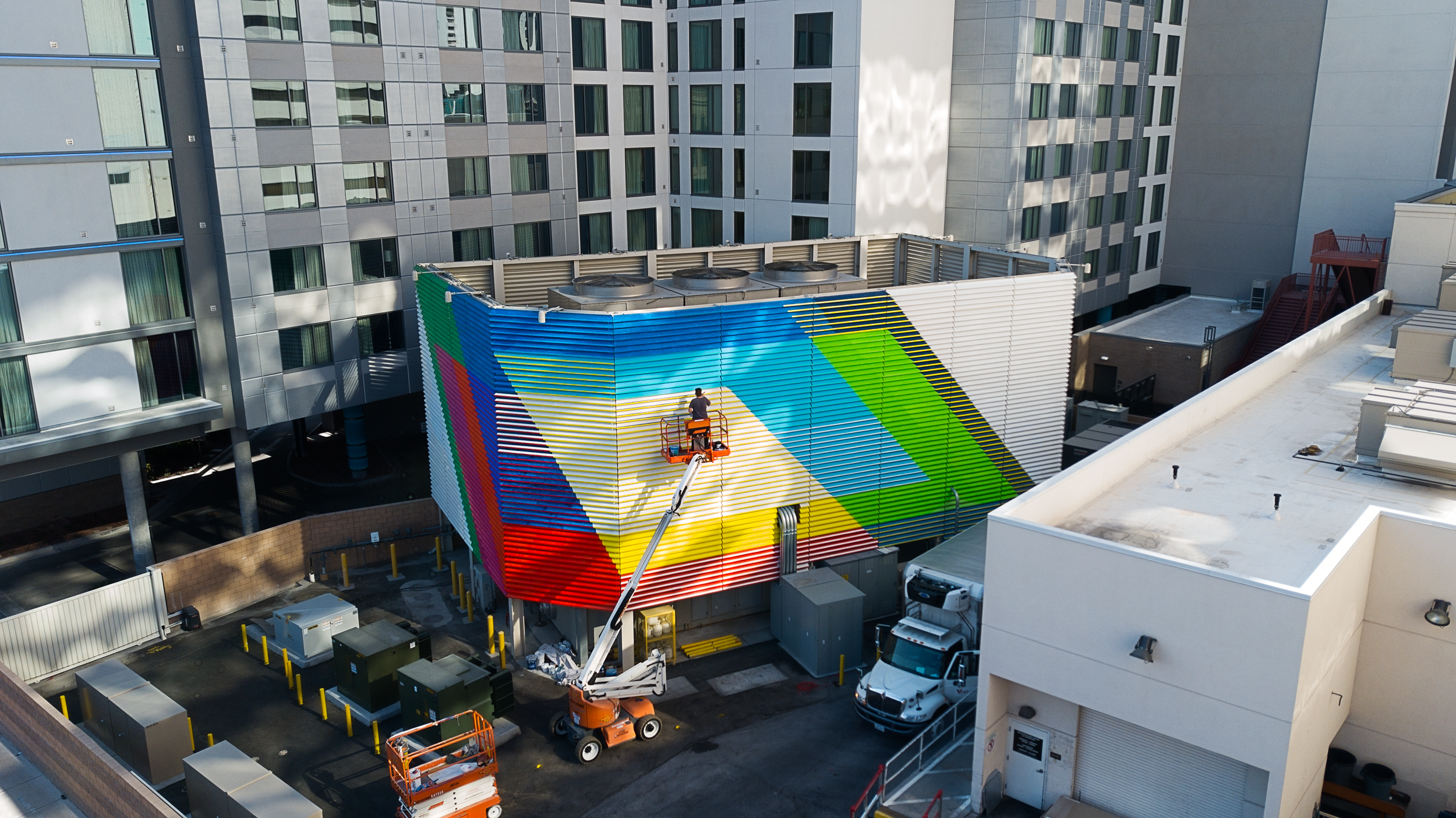
Building 180 transformed unsightly infrastructure into a landmark.
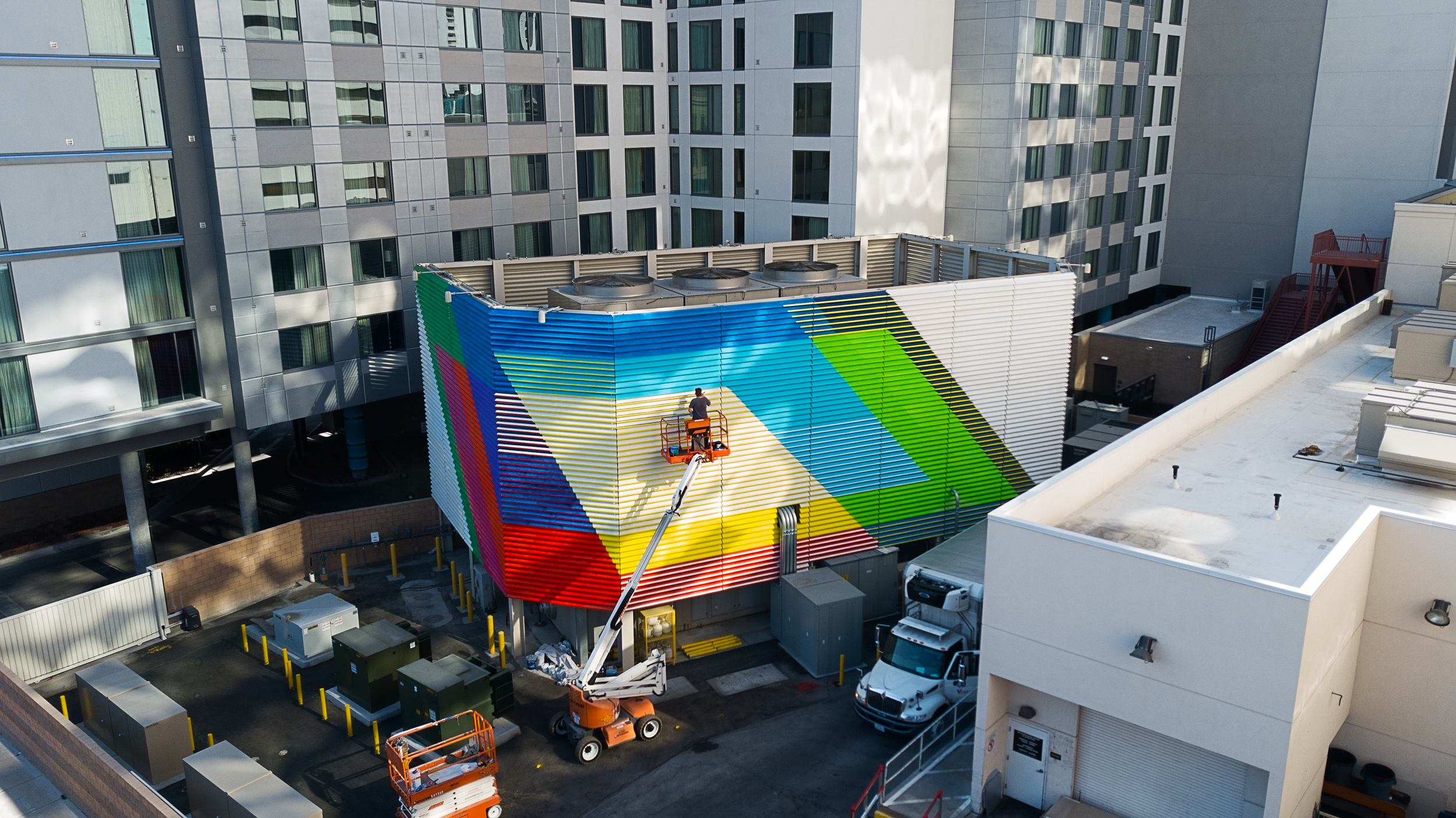
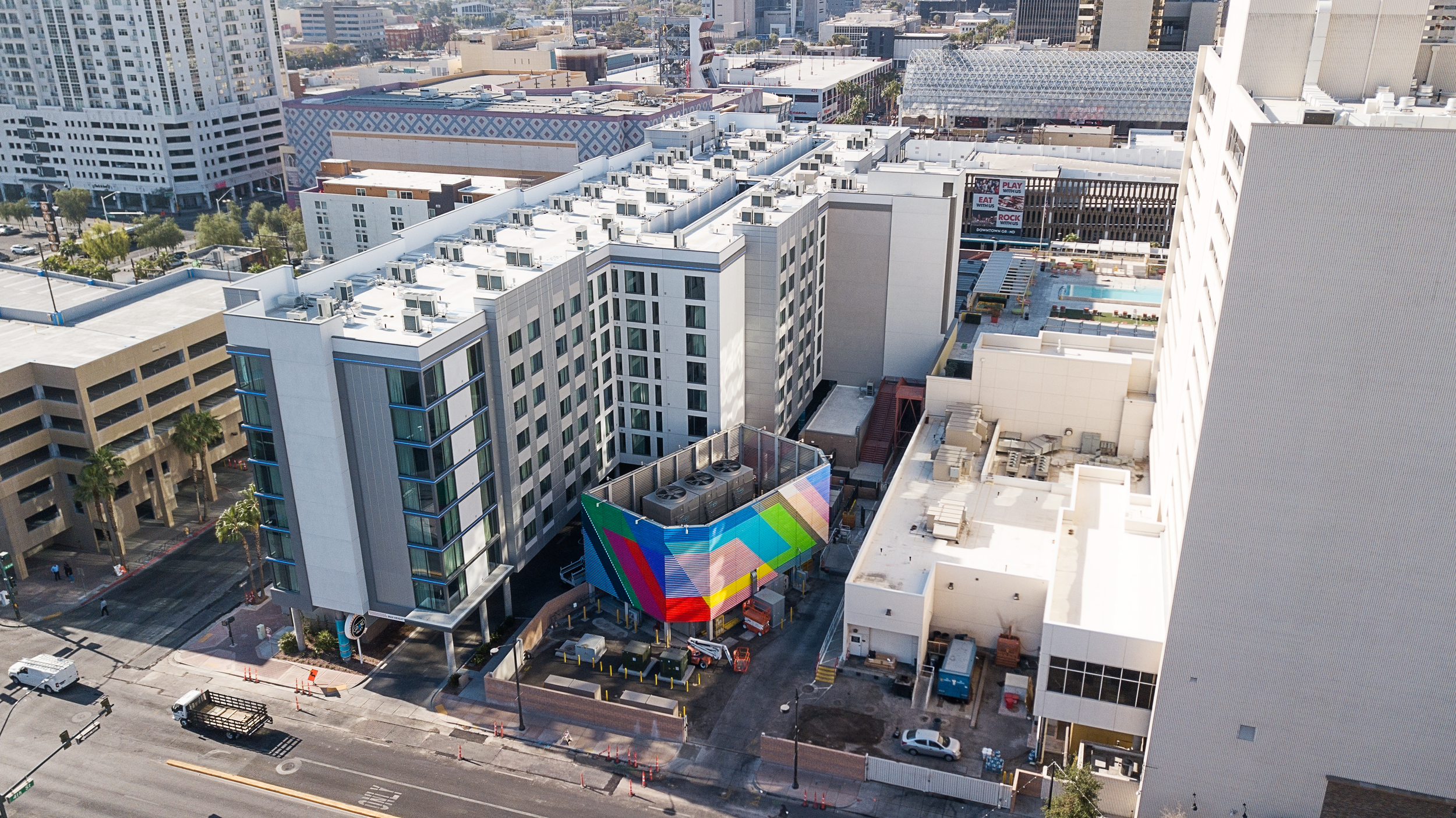
Elsewhere on the property, Building 180 saw opportunity in another unlikely place: the hotel’s massive exterior HVAC structure.
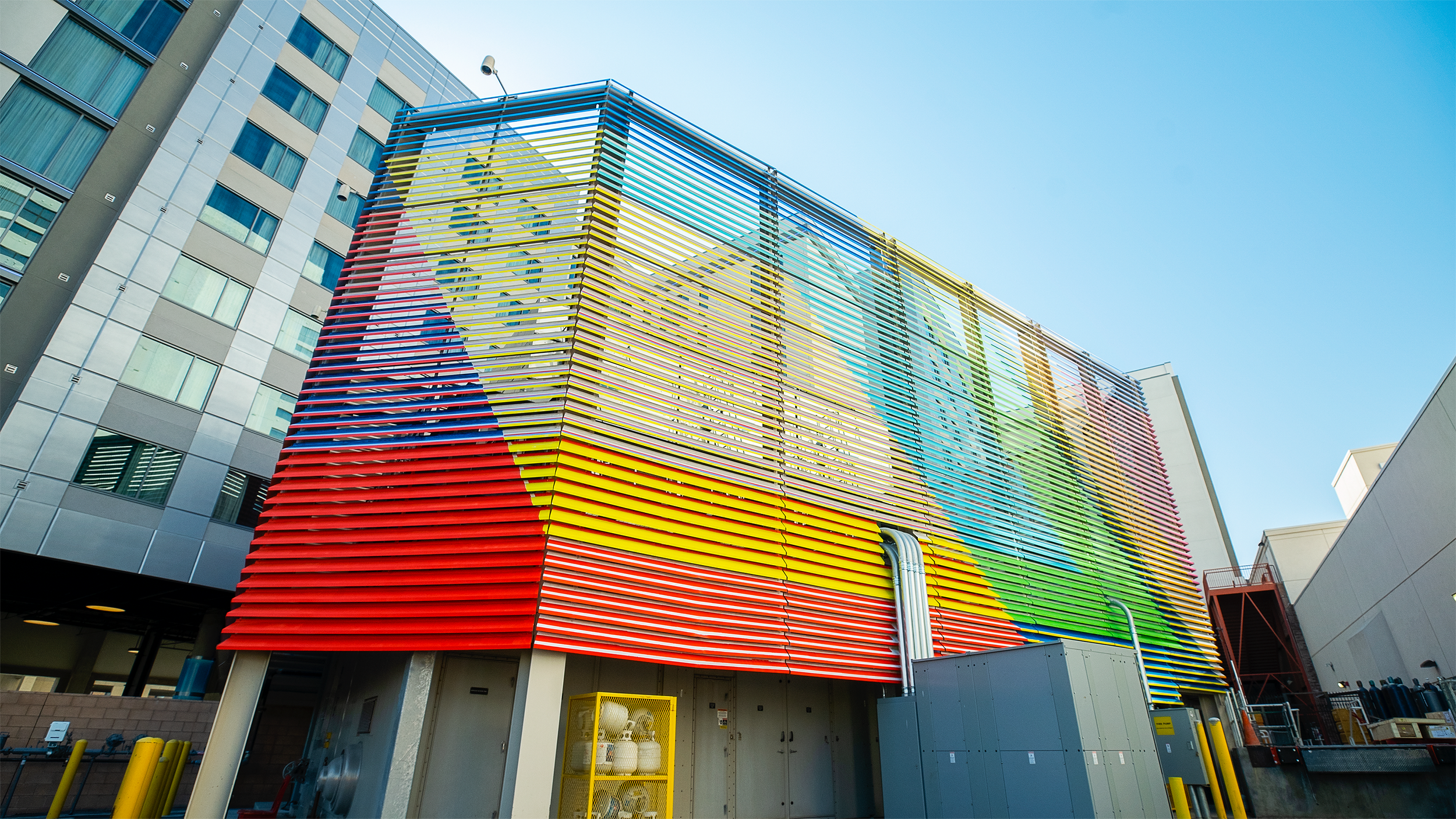
What others saw as an eyesore, Building 180 treated as a canvas.
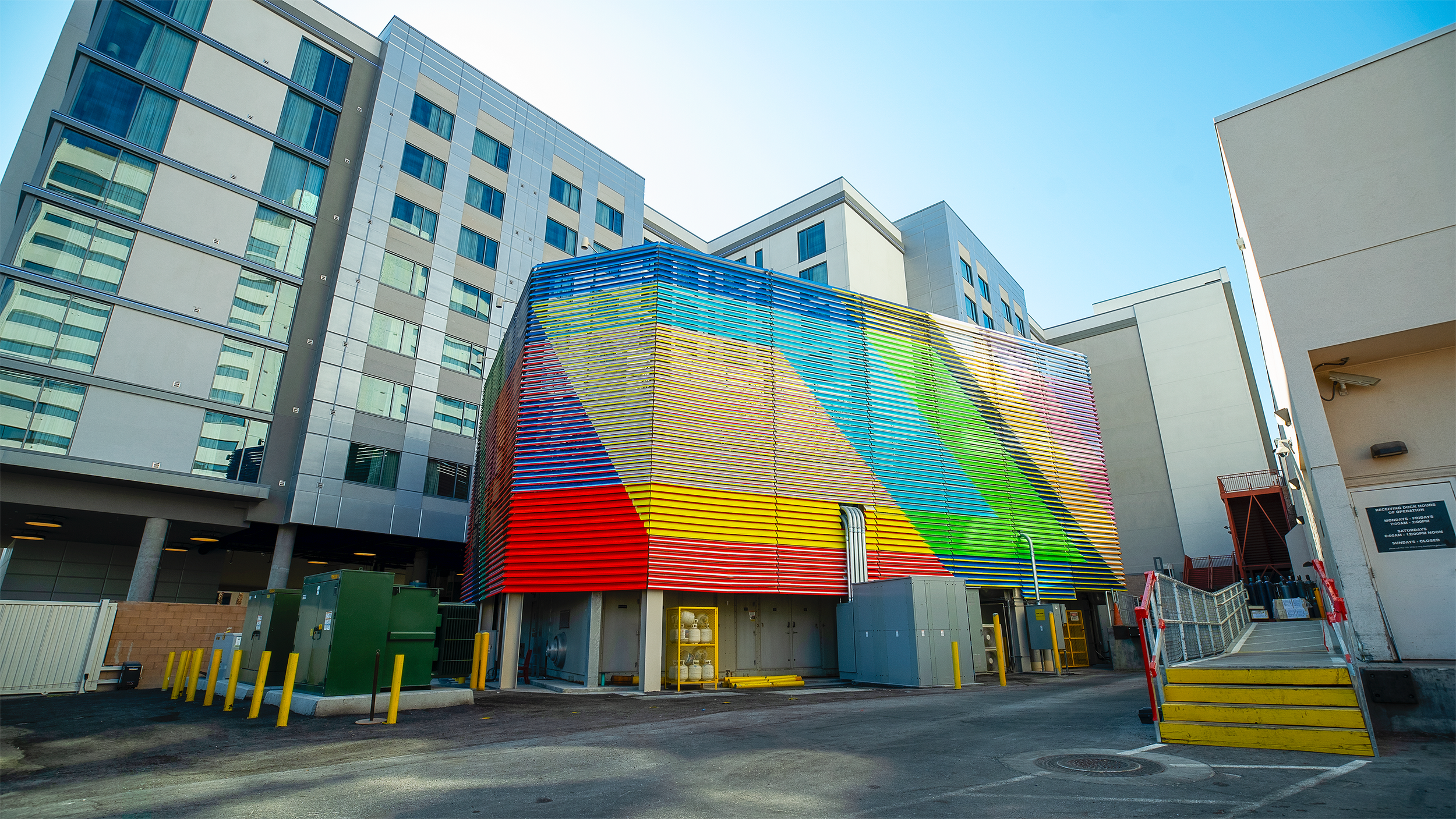
The team commissioned artist Josef Kristofoletti to create Slat City, a 5,600-square-foot mural painted directly onto the building’s louvered utility structure.
Using color theory across each individual slat, Kristofoletti created a work that only fully comes together at scale — turning mechanical infrastructure into a bold, photogenic landmark visible from the street.
Downtown Las Vegas showed how art can solve problems that standard design cannot.
Building 180’s work in downtown Las Vegas supported a broader district transformation that drew national attention and proved that art-led revitalization could work beyond San Francisco.
The Downtown Grand’s Gallery Tower launched with press recognition for its art program, including the augmented reality mural that created immersive viewing experiences for 260 hotel rooms.
Across the neighborhood, murals, sculptures, interiors and custom installations make art part of the district’s everyday identity. The ability to see creative possibilities where others see limitations is what makes Building 180 a true strategic partner — for artists, developers, hospitality teams and civic leaders working to make places feel alive.