Charon
World Tour
An international tour system for a 32-foot kinetic sculpture
Before Charon could move audiences, it had to move across the world.
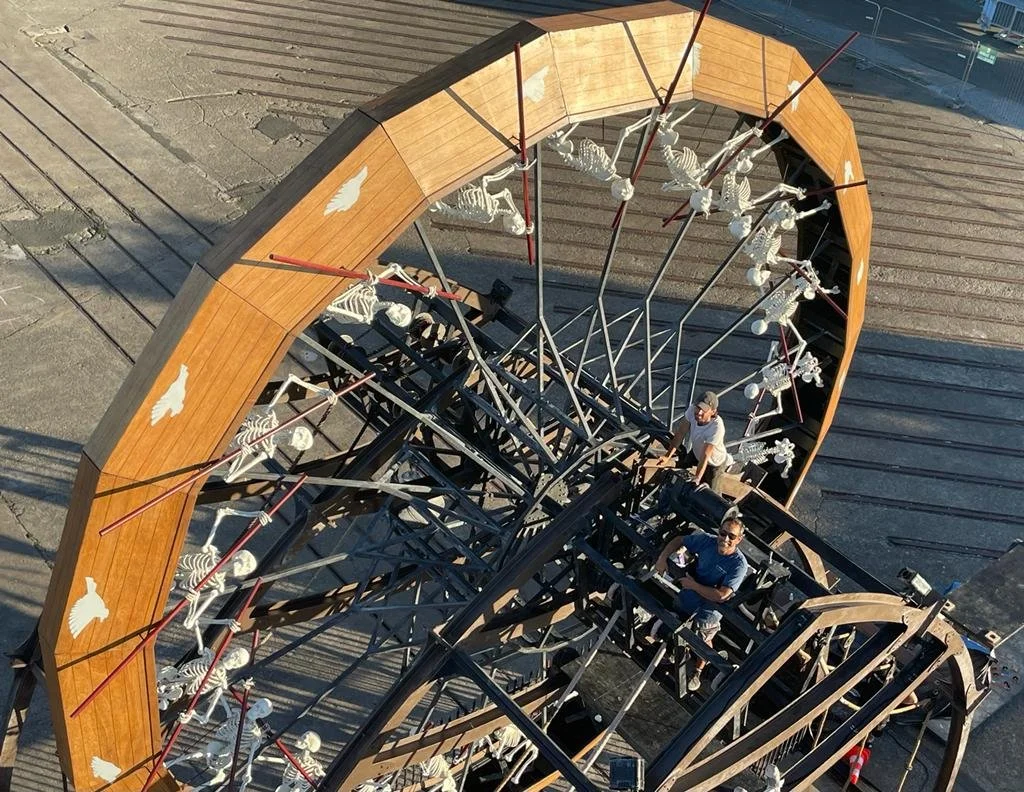
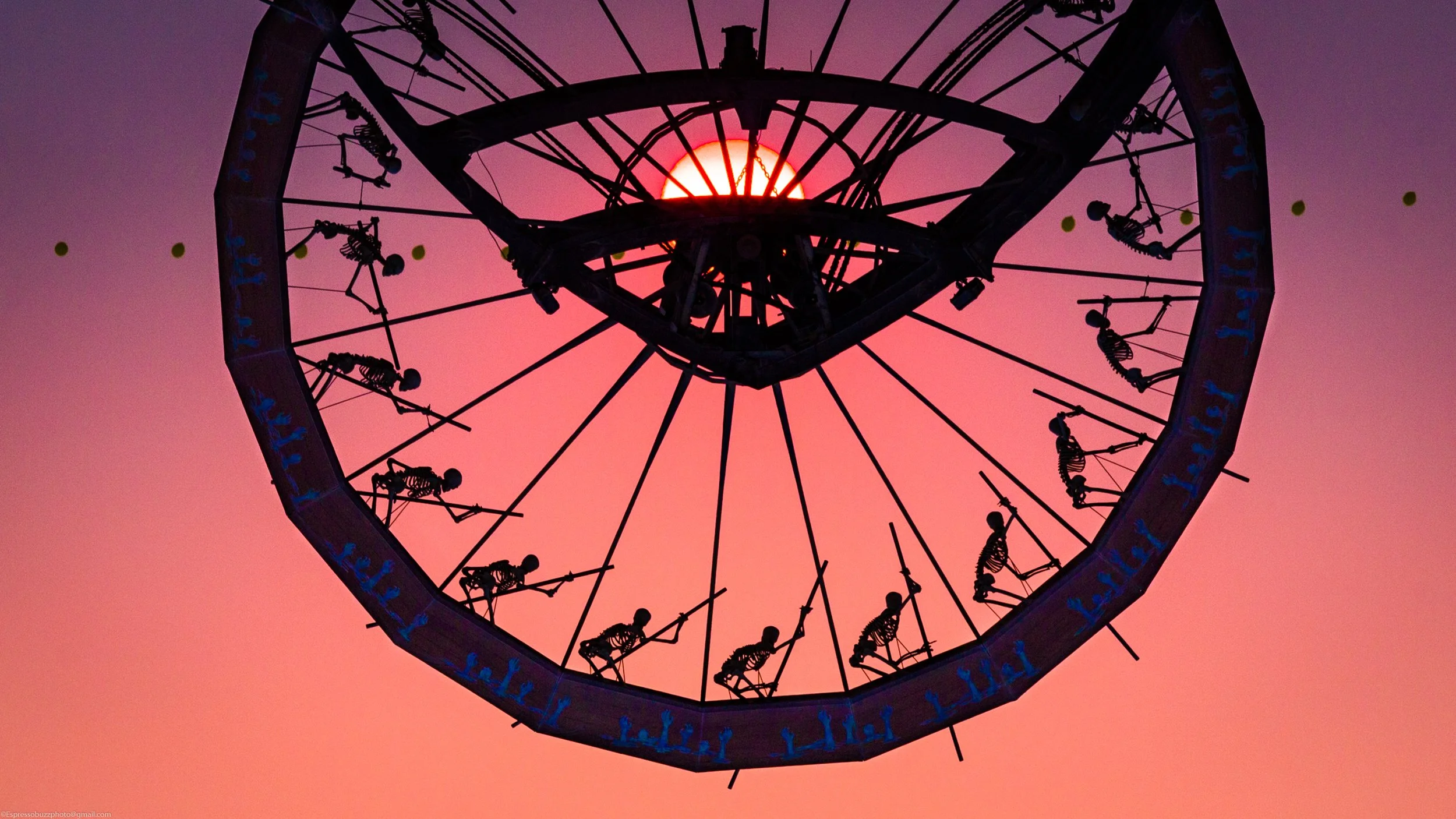
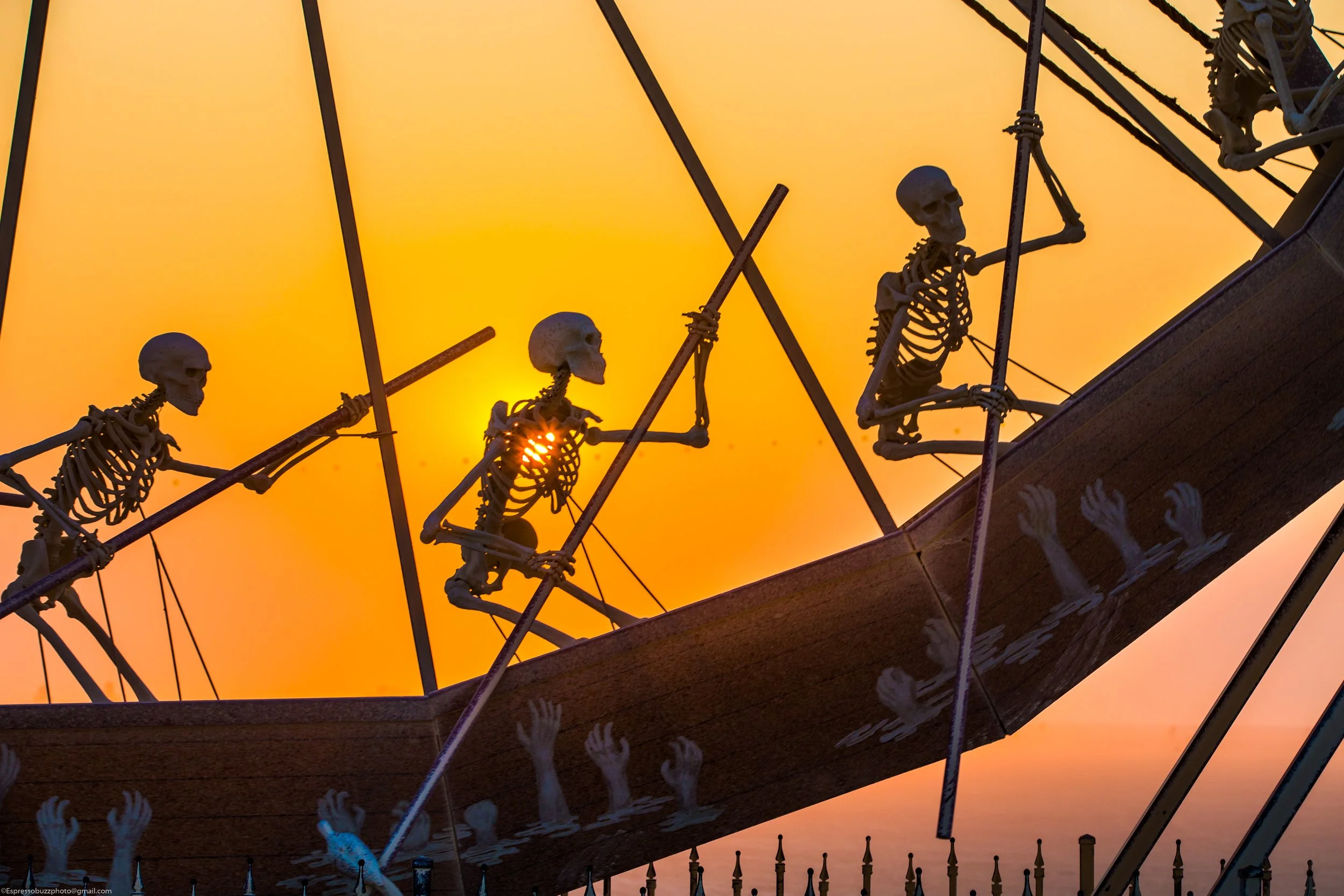
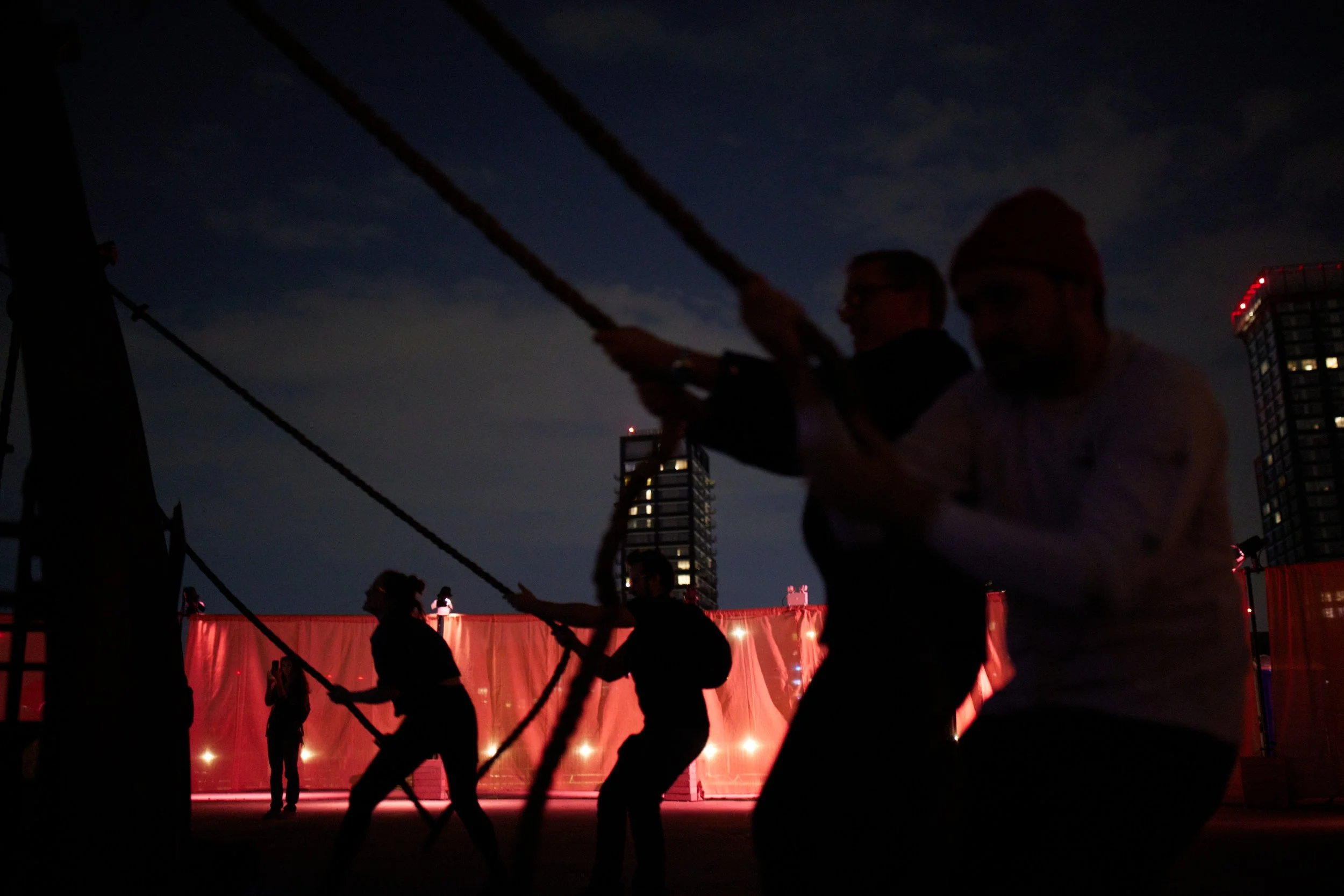
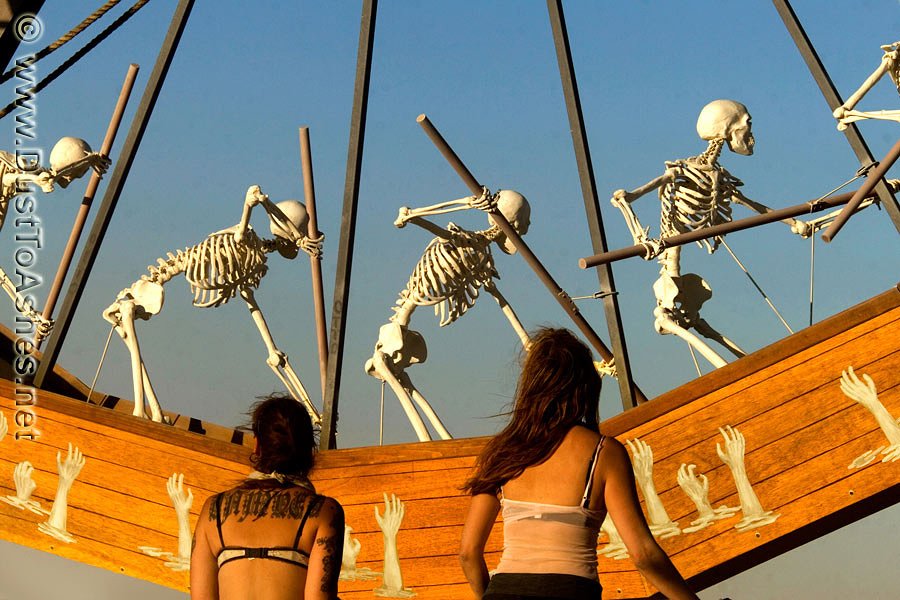
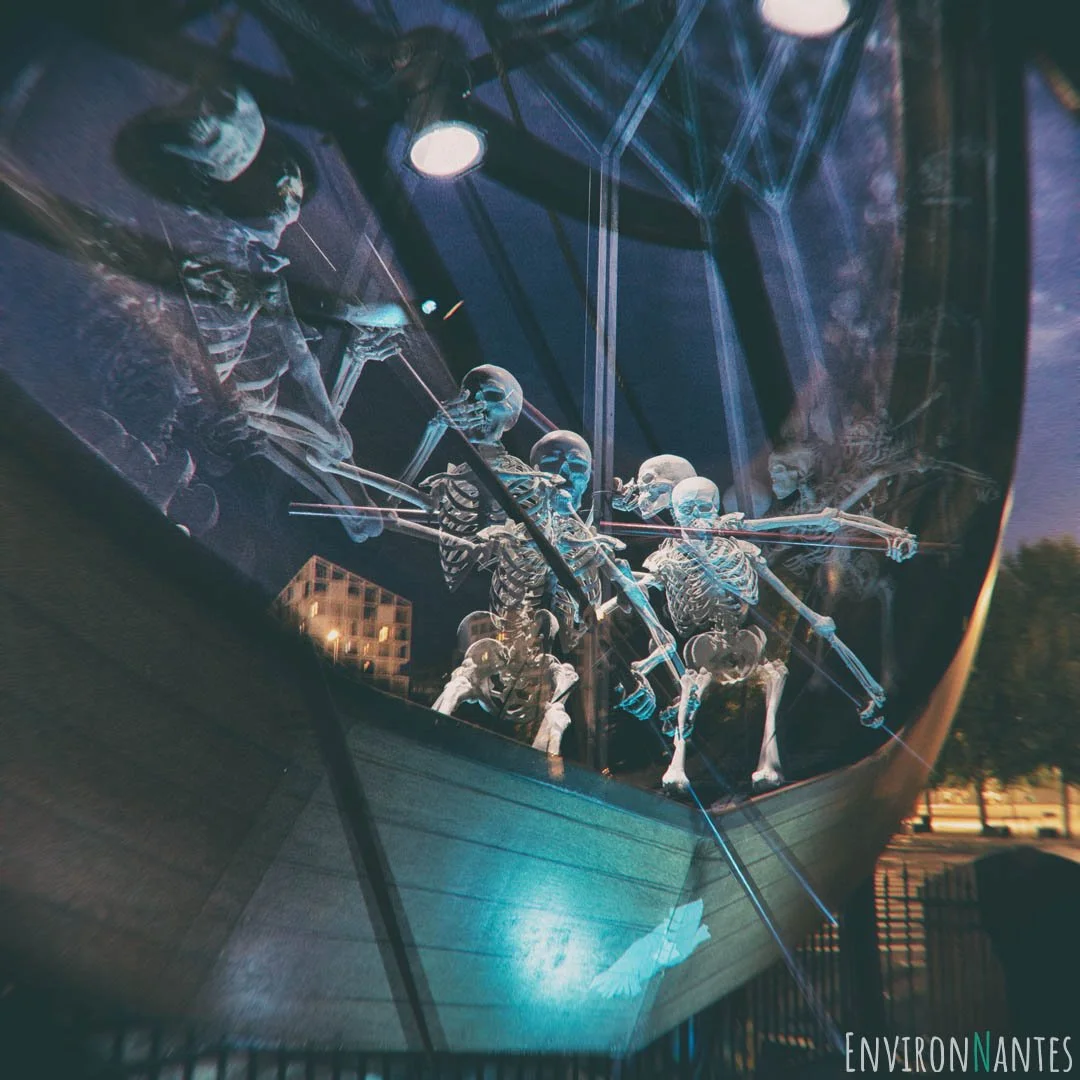
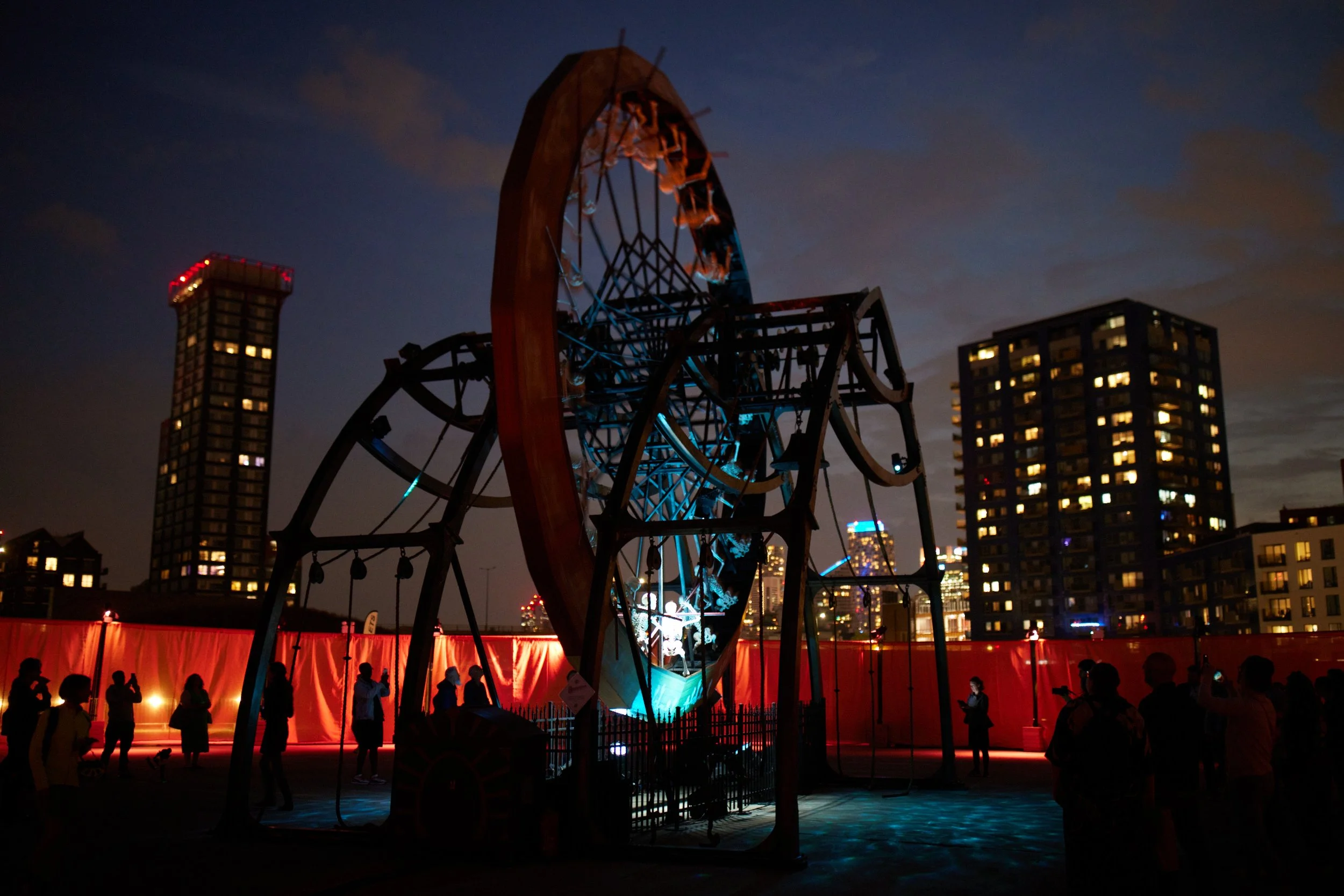
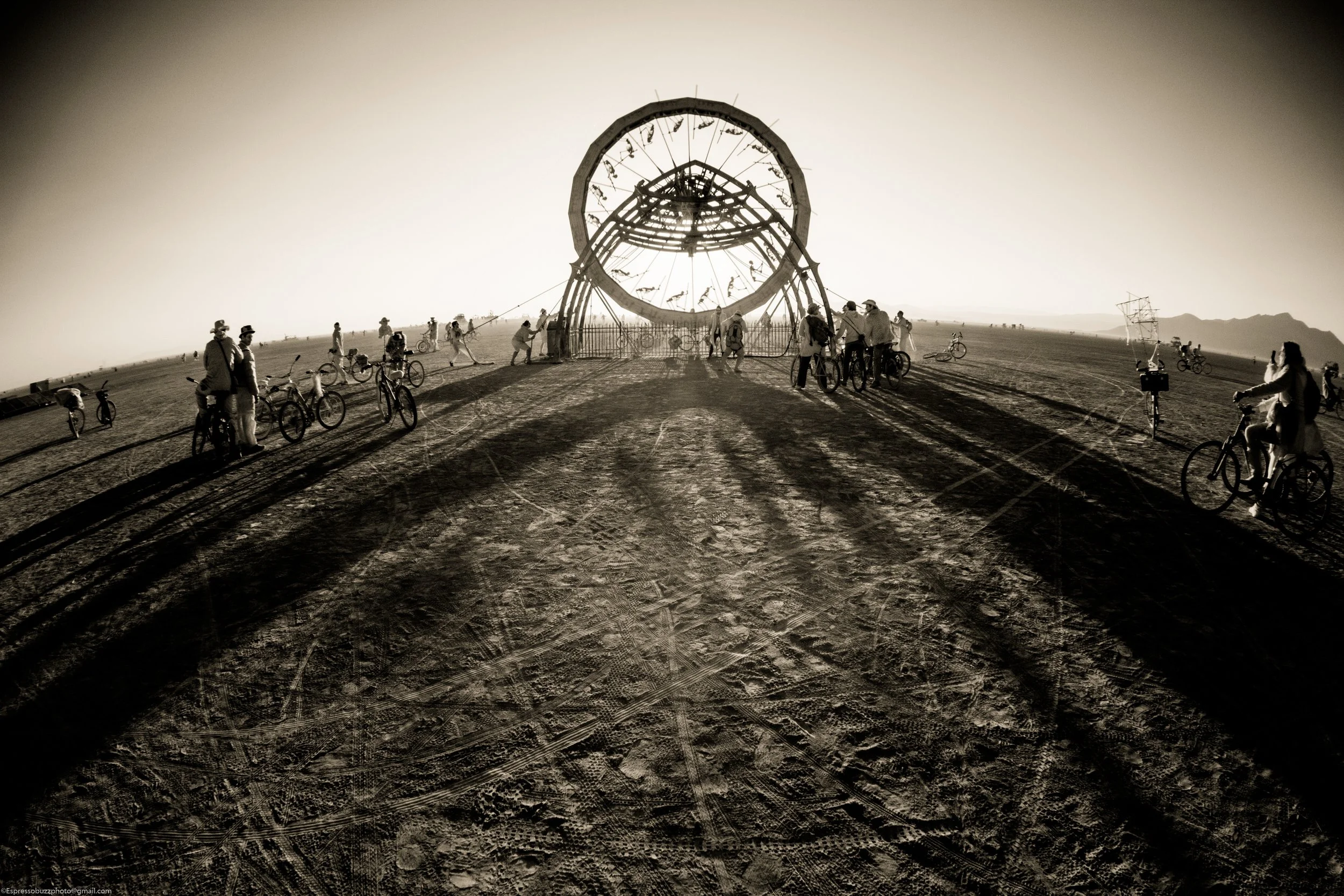
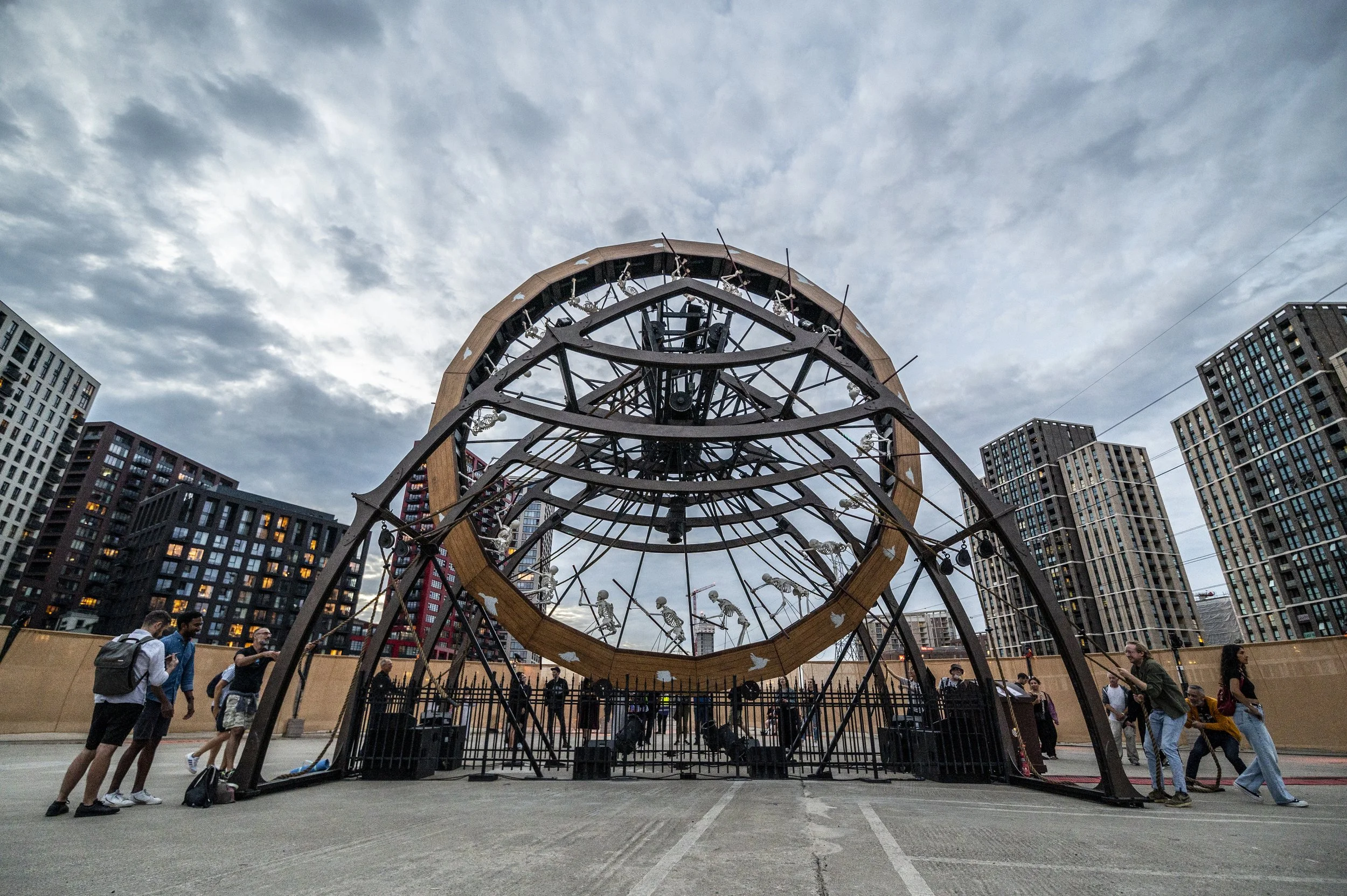
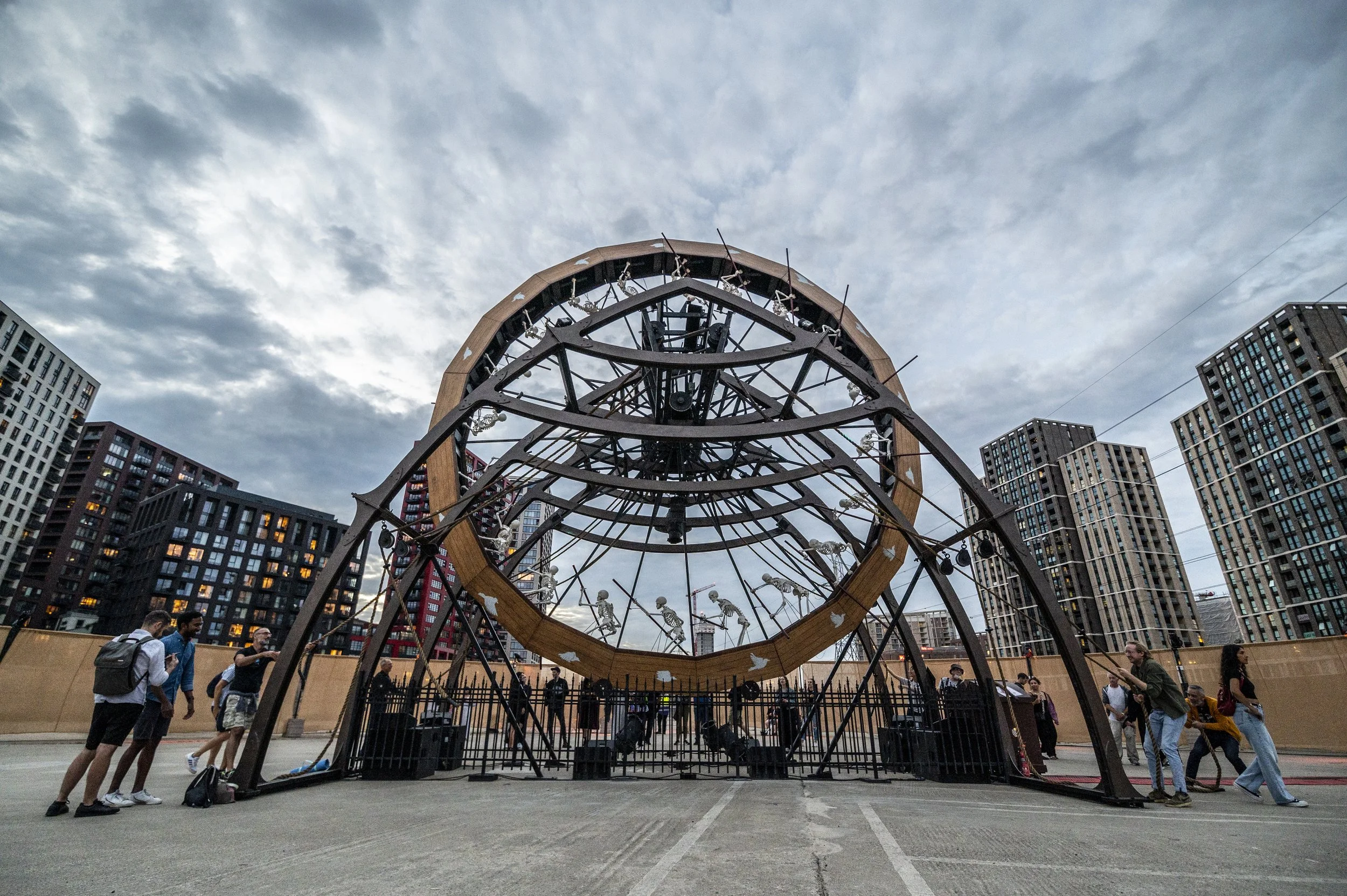
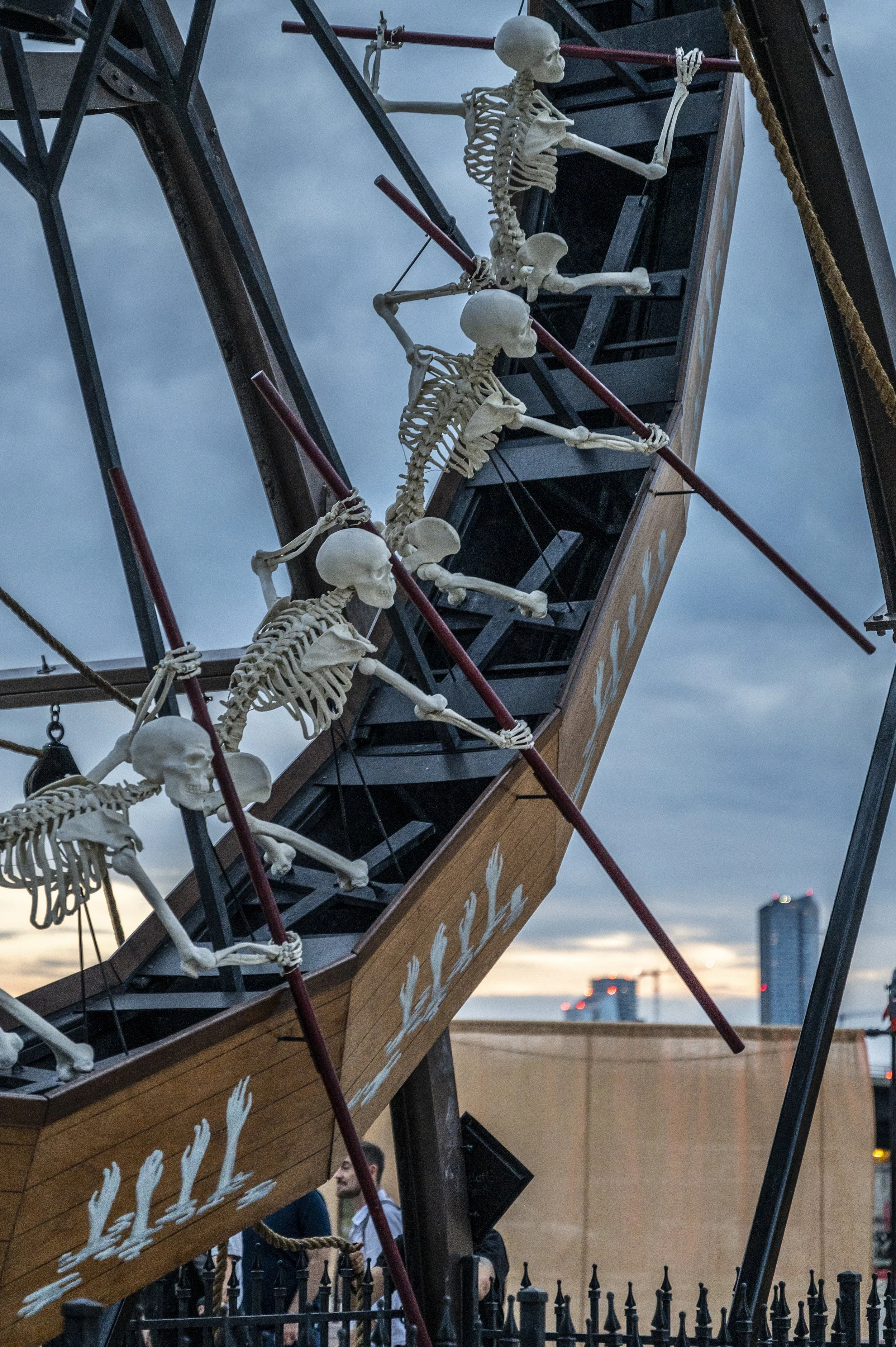
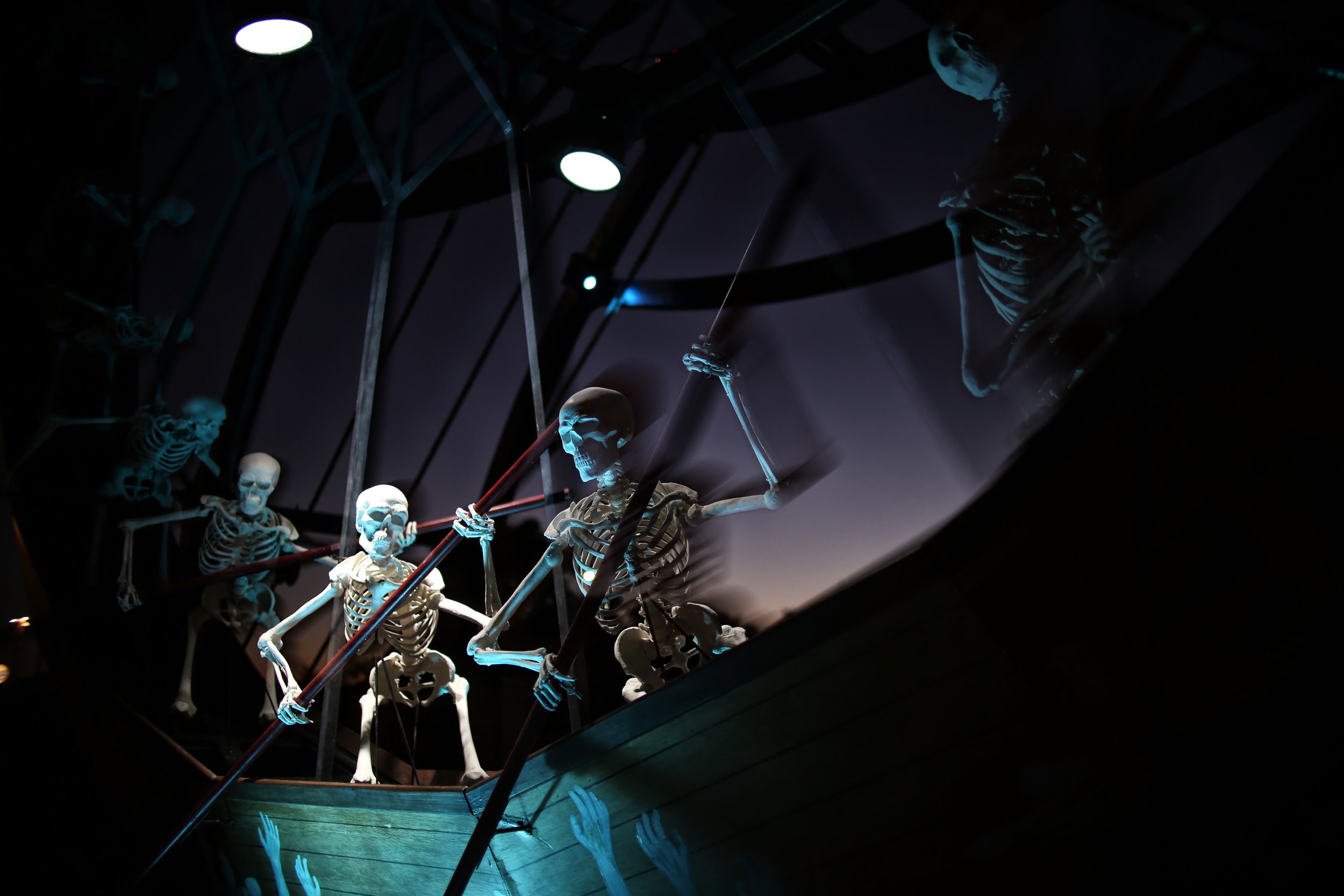
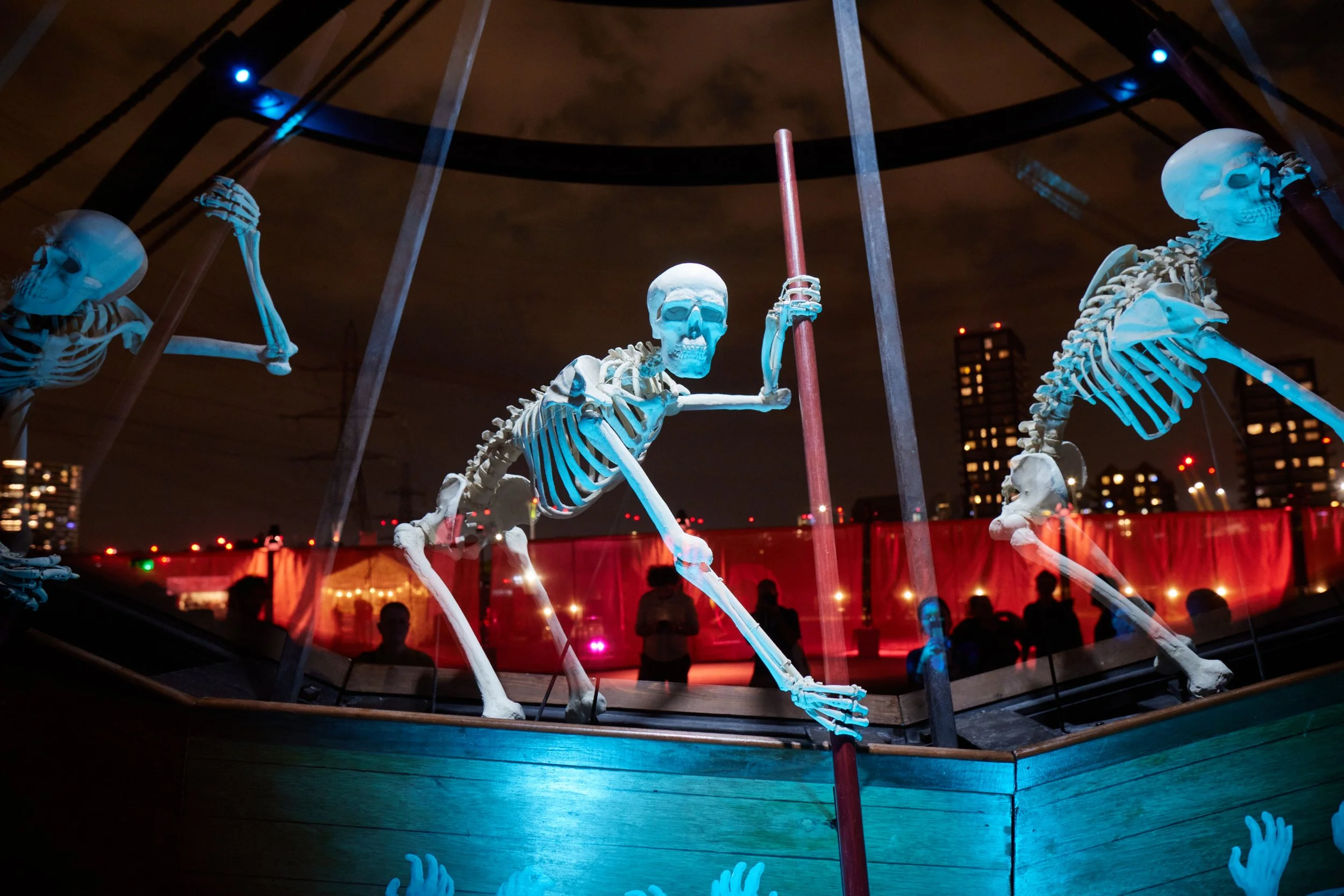
Charon is a 32-foot-tall, 8-ton kinetic sculpture by San Francisco artist Peter Hudson. Originally created for Burning Man, the piece is a large-scale vertical zoetrope powered entirely by audience participation: visitors pull ropes to set 20 life-size skeletons into motion.
When Les Machines de l’île, one of the world’s leading large-scale mechanical art organizations, wanted to bring Charon to Europe, the opportunity was enormous — and so was the logistical challenge.
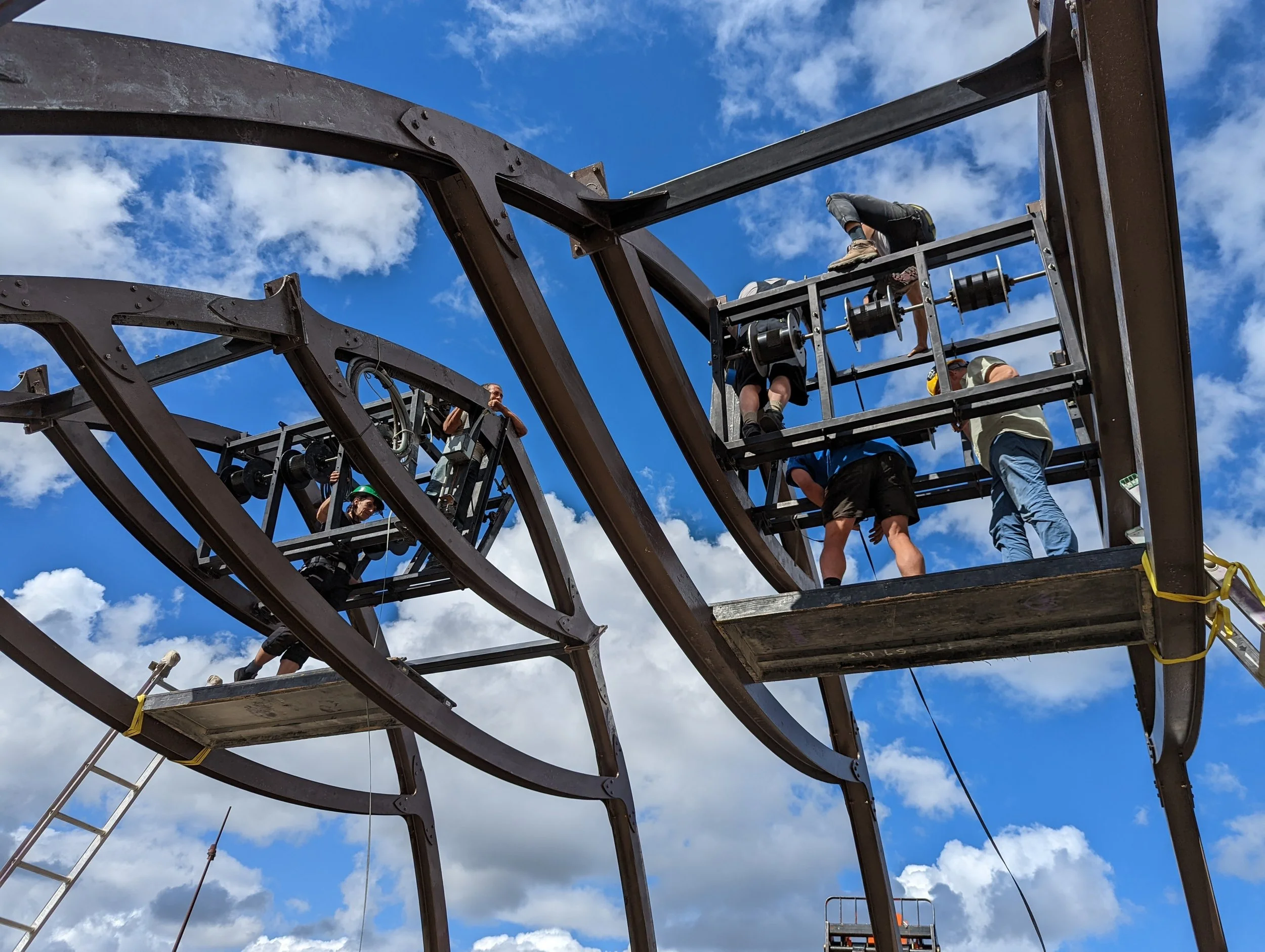
Building 180 was brought in to make the tour possible. Across two summers, five locations, and two continents, the team managed the infrastructure required to move, permit, insure, assemble, and safely operate one of the most technically complex public artworks in the world.
Building 180 built the tour system from scratch.
There was no playbook for moving a 32-foot interactive kinetic sculpture across countries, festivals, customs systems, public sites, and engineering requirements.
So Building 180 built one.
The team designed the full touring infrastructure across two summers, five locations, and two continents — coordinating the freight, crew, permits, insurance, engineering, budgets, and installation systems required to move Charon safely from site to site.
5
Cities
3
Countries
8
Tons
Charon reached audiences across some of Europe’s most visible cultural festivals.
Across two summers, Charon traveled to five locations across two continents, appearing at major public art and cultural festivals including Greenwich+Docklands International Festival in London, Festival Paris l’Été, Zomer van Antwerpen, and Hellfest in France.
Tens of thousands of people encountered the work in motion, pulling the ropes themselves to activate a massive kinetic sculpture that had once seemed impossible to tour. The project expanded Peter Hudson’s international visibility and brought a San Francisco-born artwork onto a global stage.
The tour worked because the infrastructure worked.
A project like Charon succeeds when the complexity disappears from view.
Audiences saw a monumental artwork come alive in public. Festivals received a major cultural attraction that could be installed safely and reliably. The artist’s vision traveled across borders without being diluted, redesigned, or scaled down.
That was Building 180’s role: to hold the full operational system around the work so the art could remain intact.
One artwork. A world of possibility.
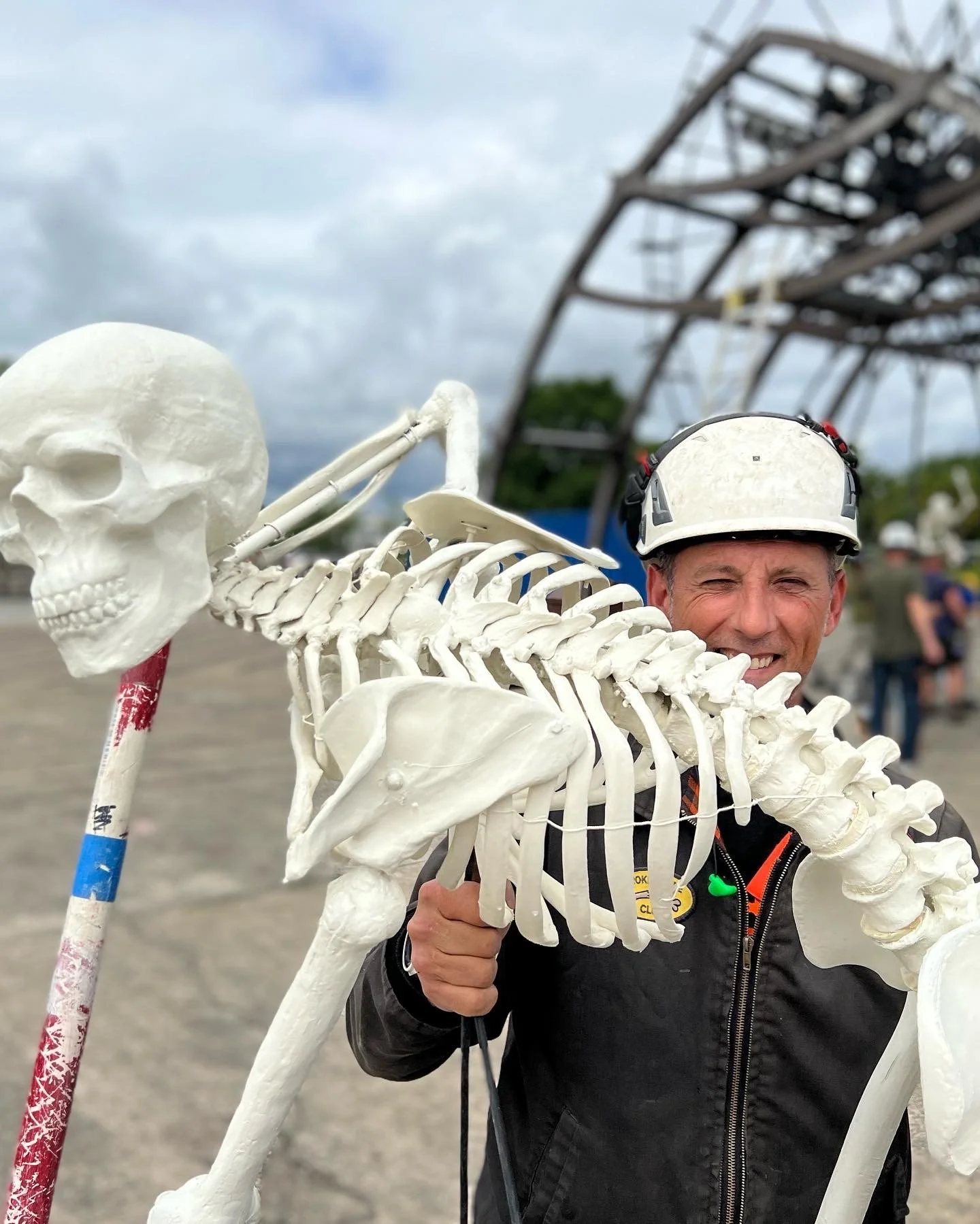
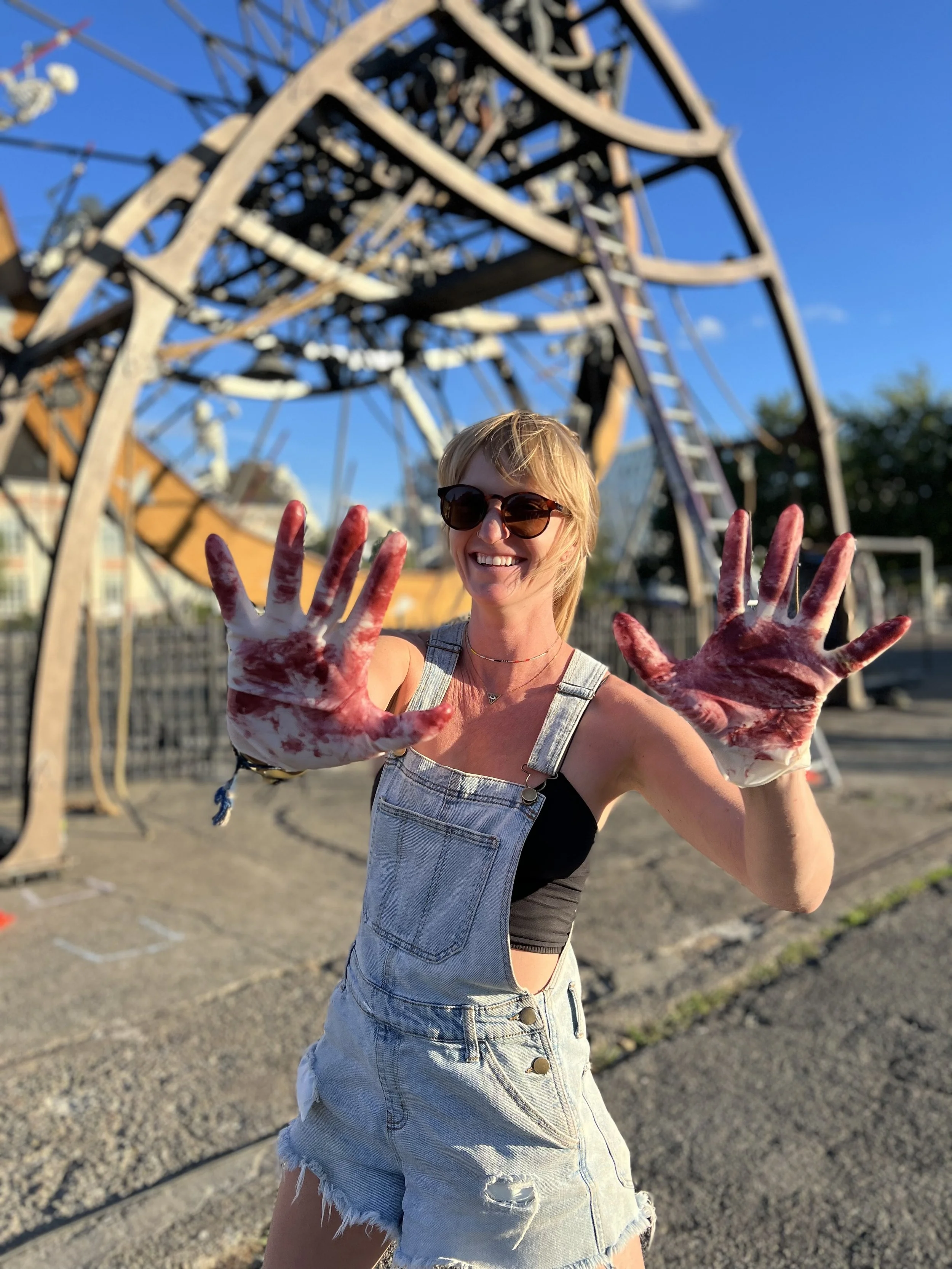
Coordinating the partners, crew, shipping, site requirements, engineering, budgets, and on-the-ground production, Building 180 turned a one-of-a-kind sculpture into a repeatable international touring model.
Charon proved that even the most technically demanding public artwork can move through the world when the right systems are built around it.