Patreon
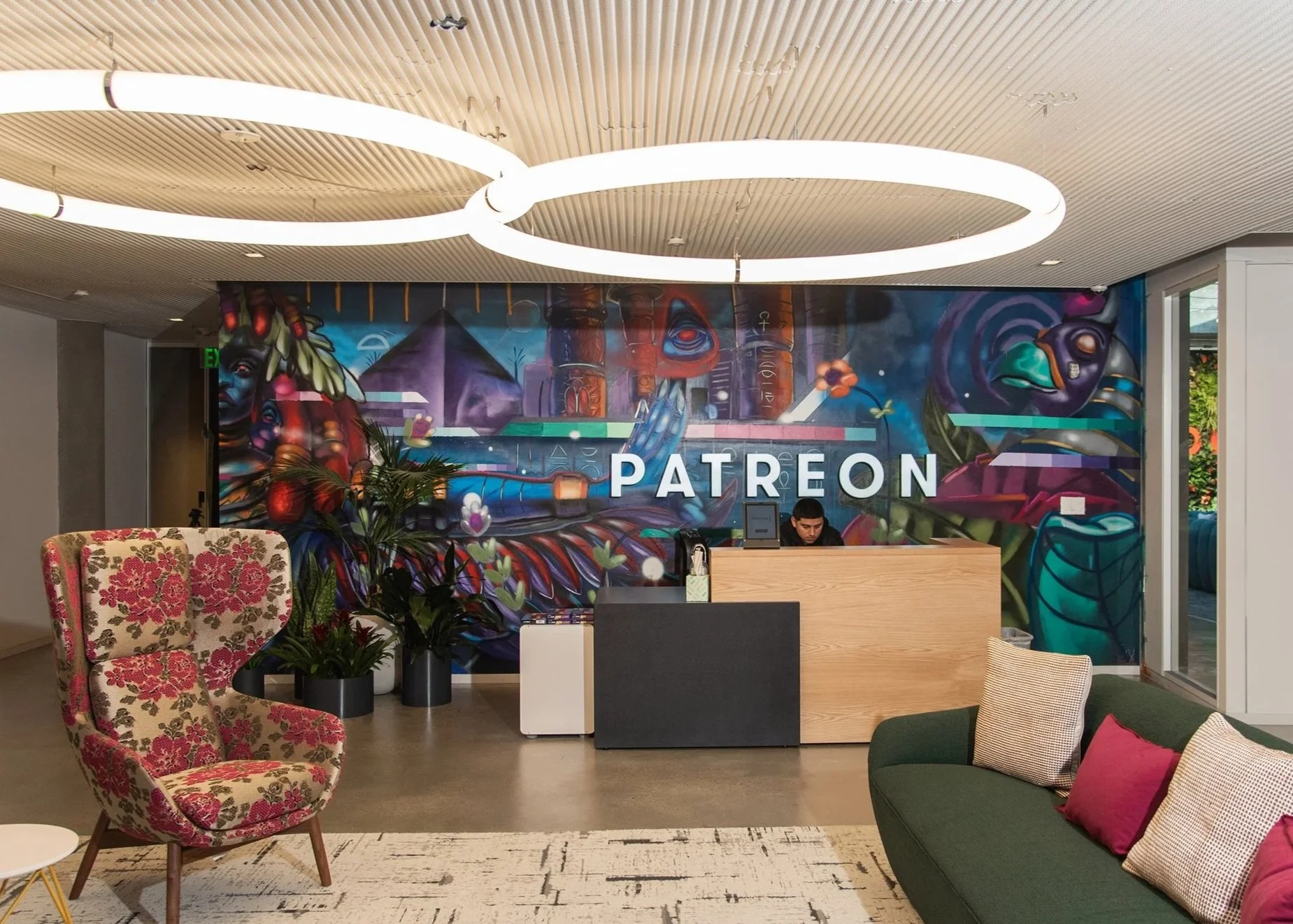
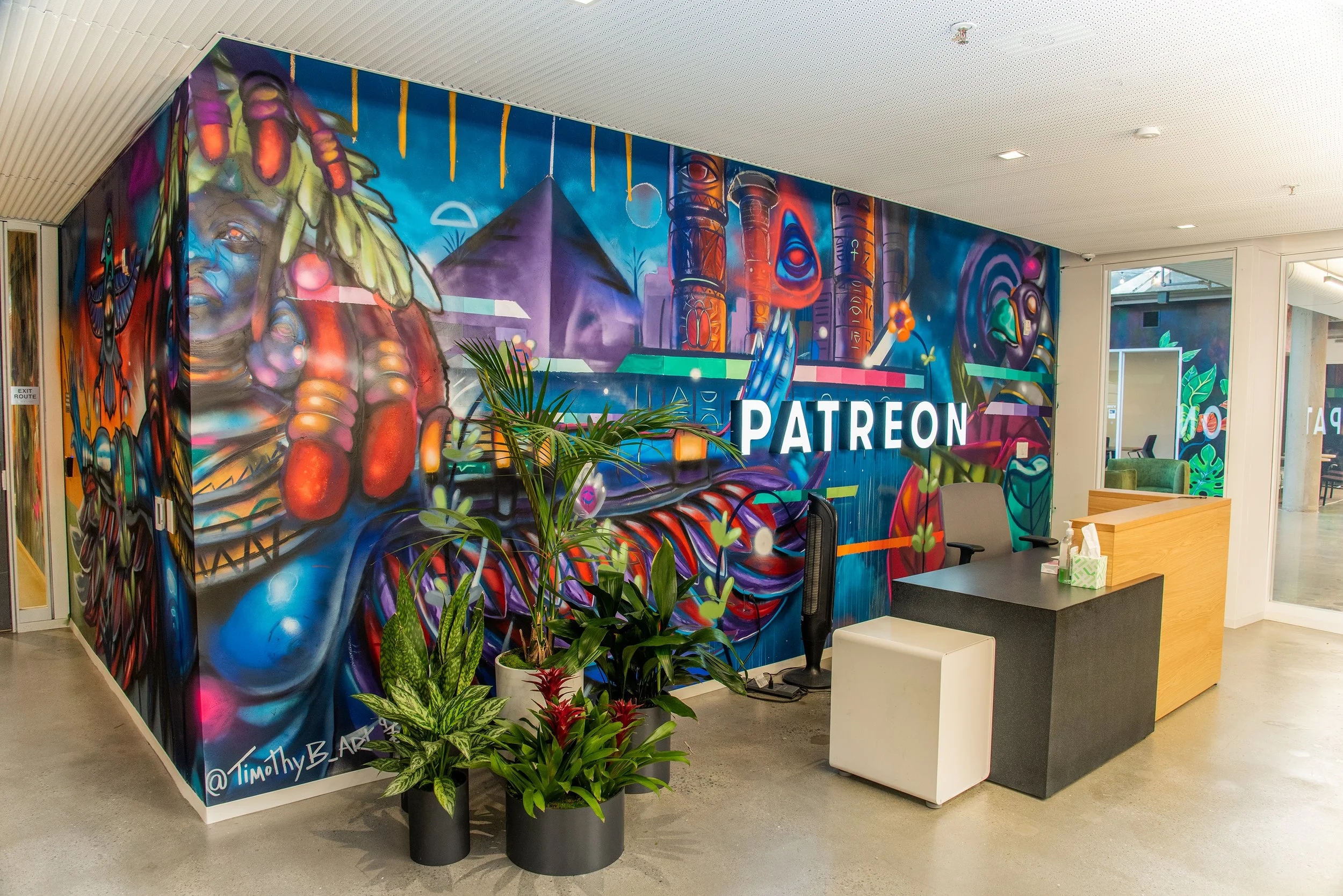
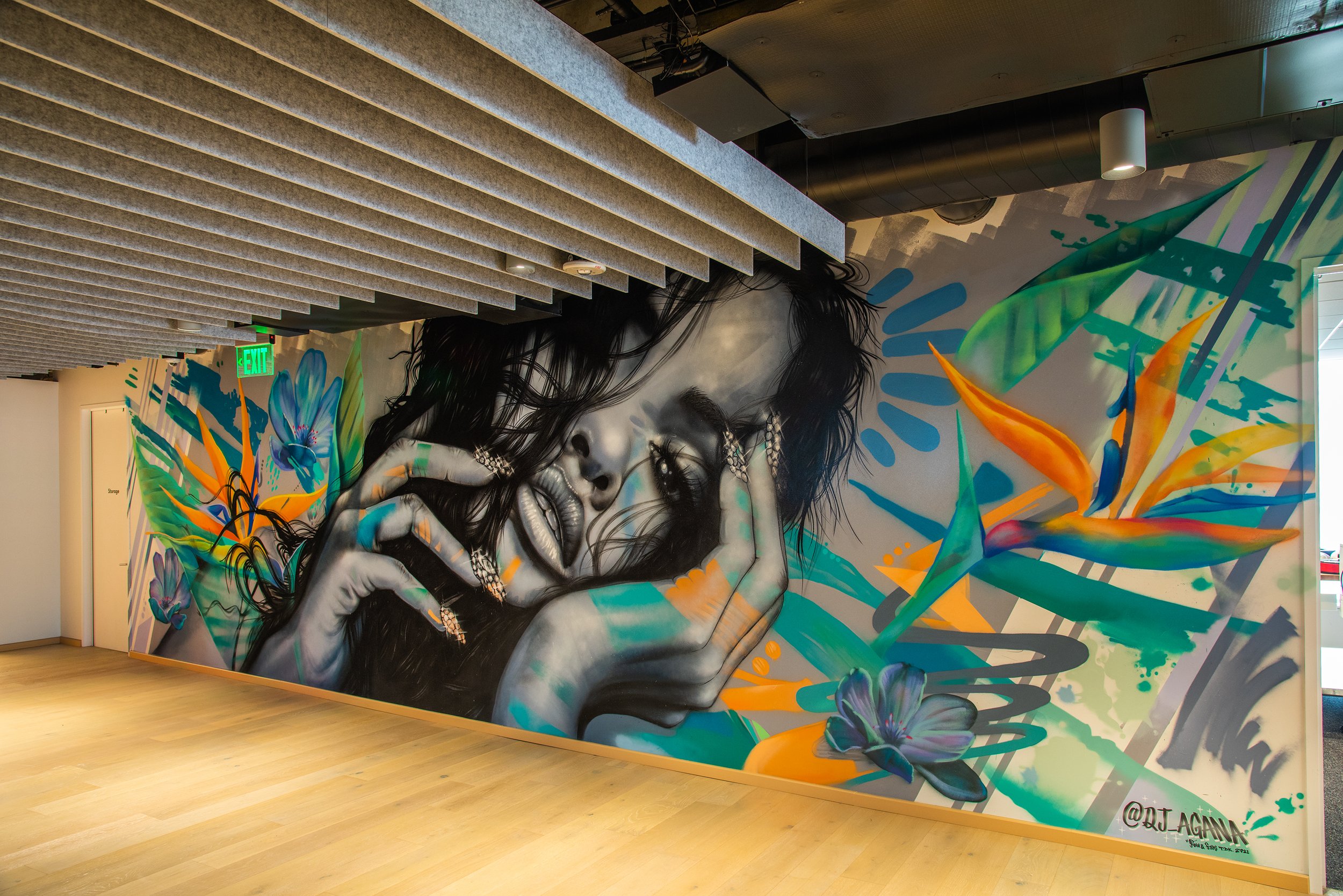
Local artists converted Patreon’s bare office into a living expression of its mission.
For Patreon, a platform built on the belief that artists deserve to earn a living from their work, a generic corporate headquarters would have missed the point.
When the company moved into its San Francisco offices, Patreon invited Building 180 to help devise an art program that reflected the creative community it was built to serve.
The brief was unusually open: bring in local artists, center diverse voices and give them real creative freedom. Building 180’s curatorial role was to select the right voices, match them to the right spaces and turn a set of independent commissions into a headquarters that felt cohesive.
With such an open brief, the art program depended on more than finding talented artists; it required a clear curatorial point of view.
Building 180 selected artists whose work could stand on its own while still contributing to a larger environment. Each artist brought a distinct voice, but also the ability to respond to the architecture, light, scale and feeling of the space.
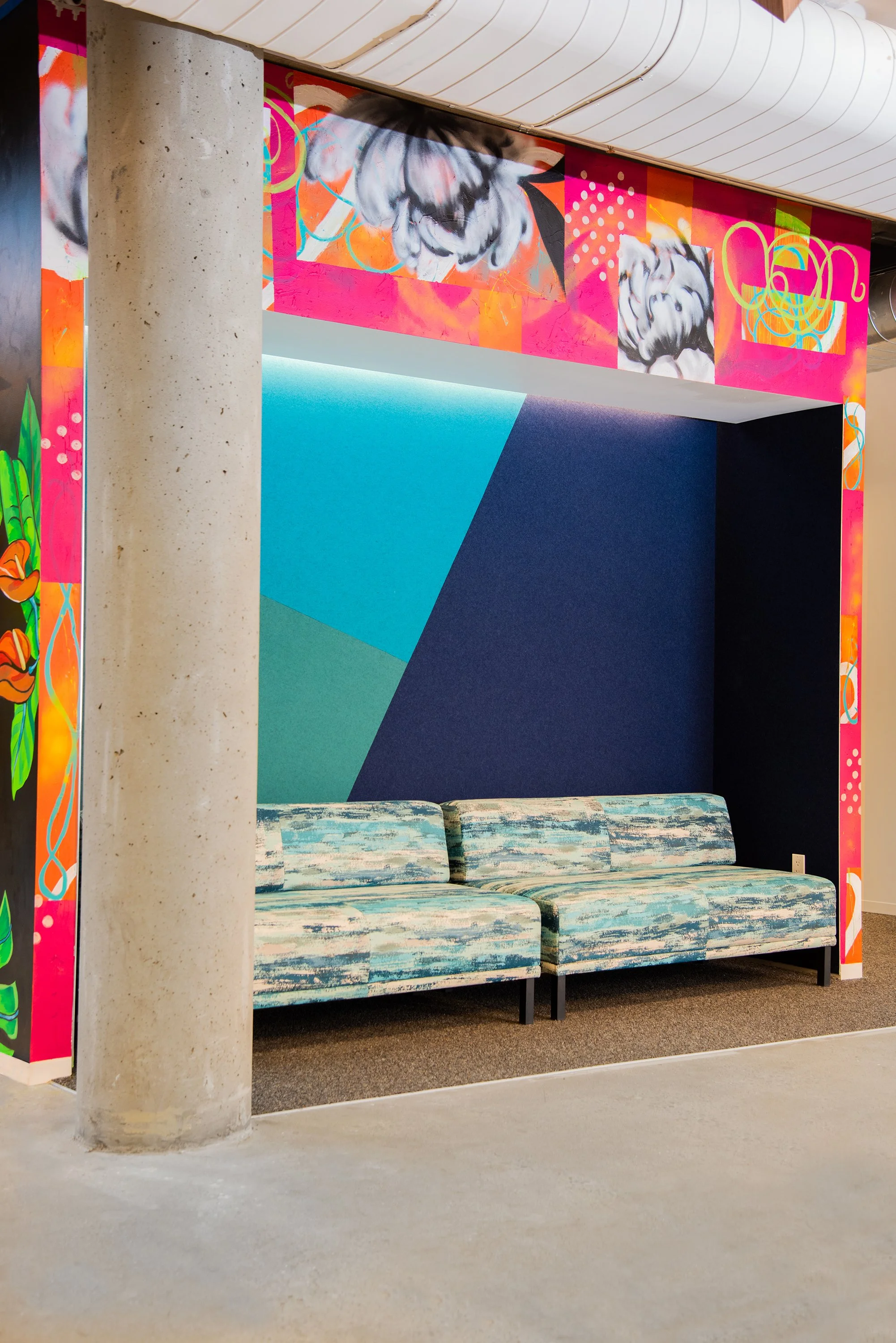
Rather than forcing the murals into a single visual system, Building 180 created cohesion through thoughtful pairing: the right artist, the right wall and the right conditions for the work to land.
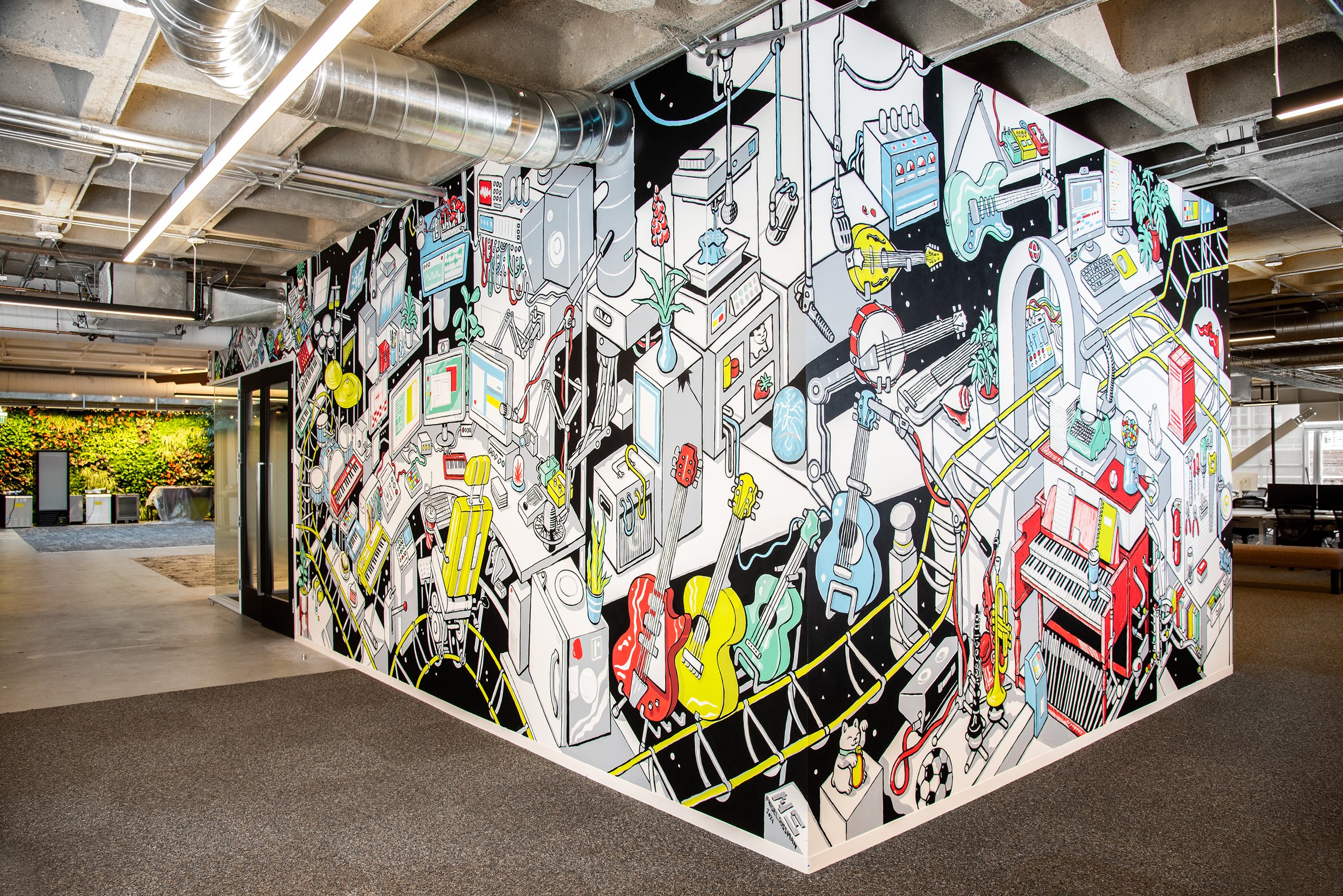
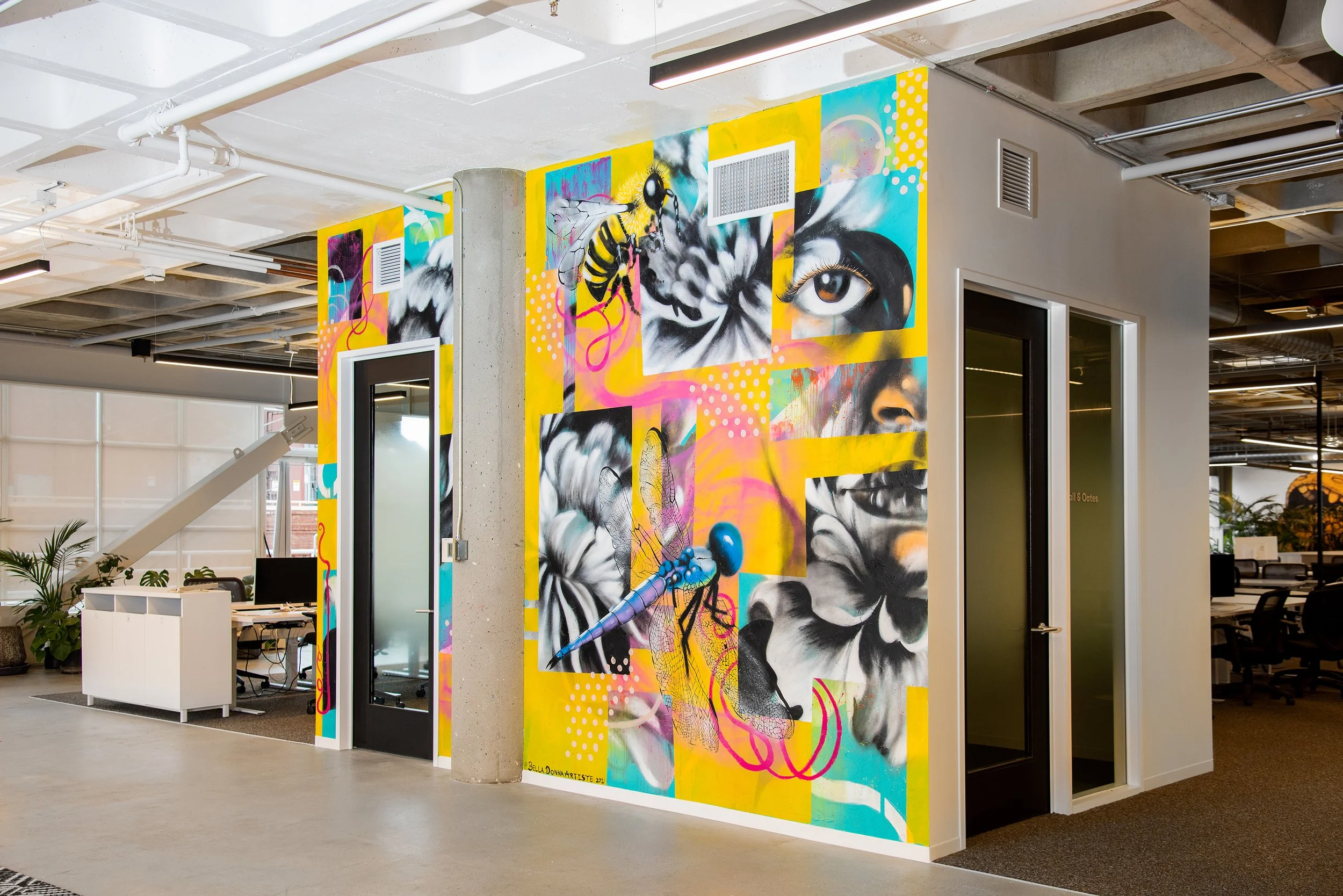
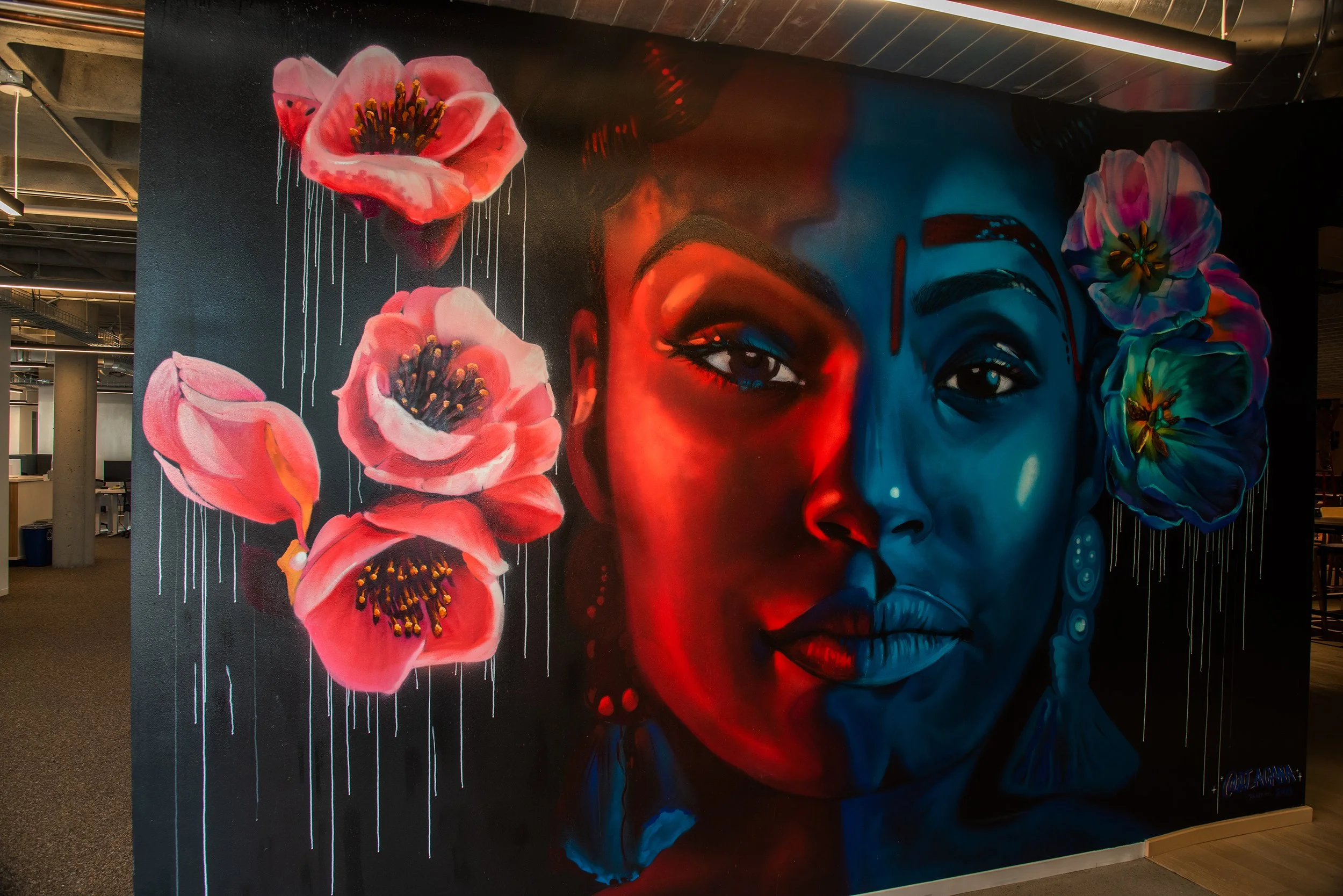
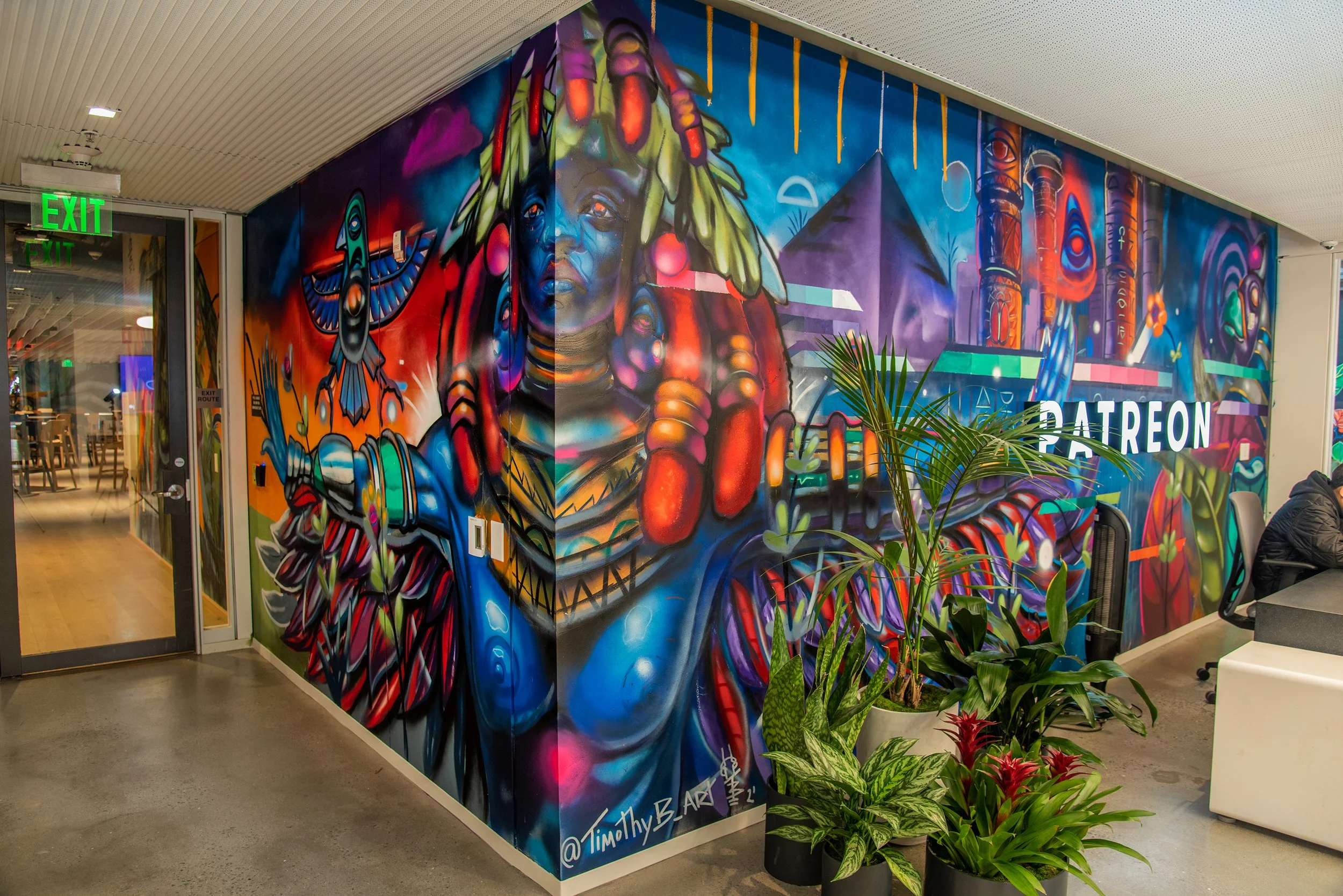
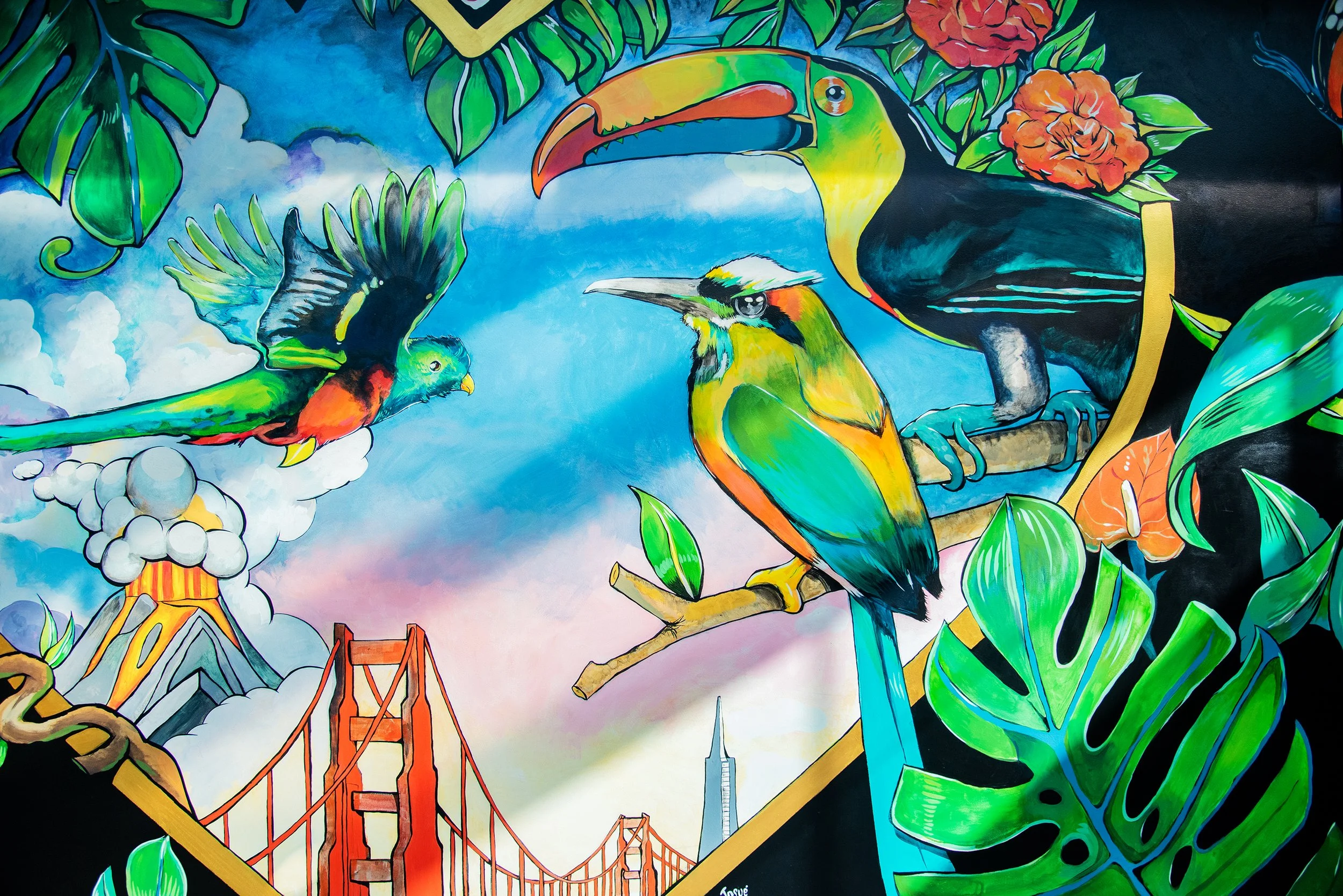
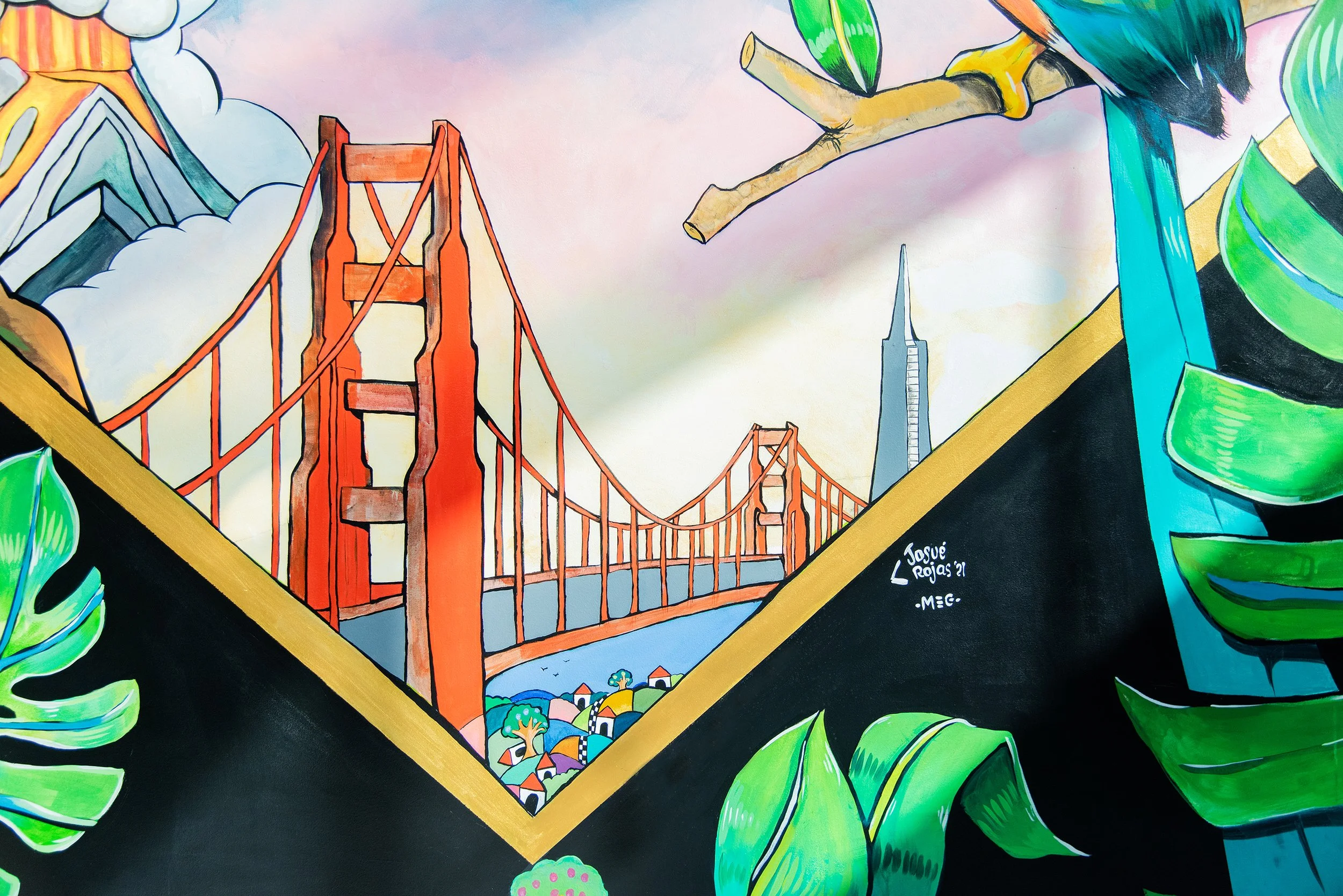
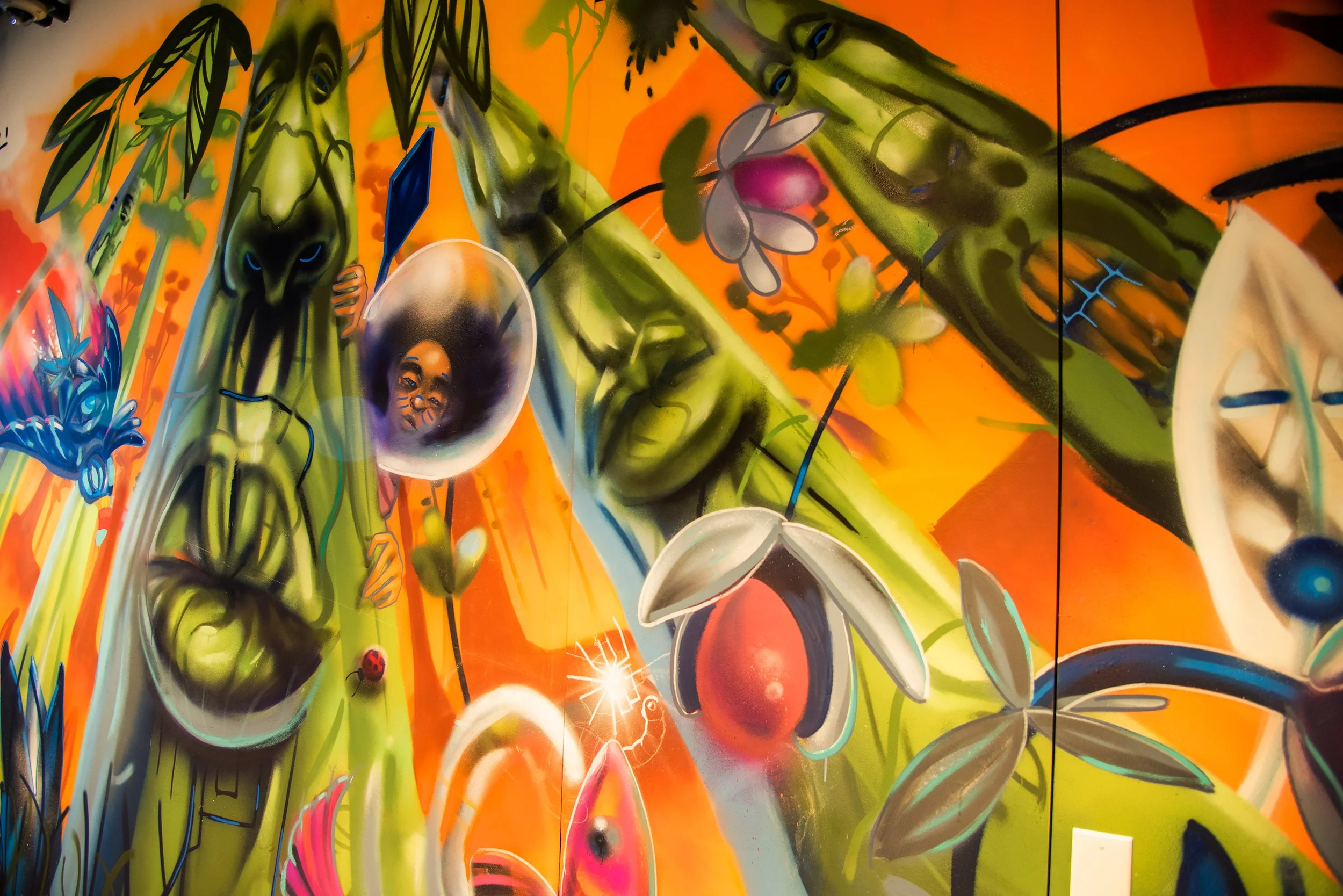
Local artists brought the space to life.
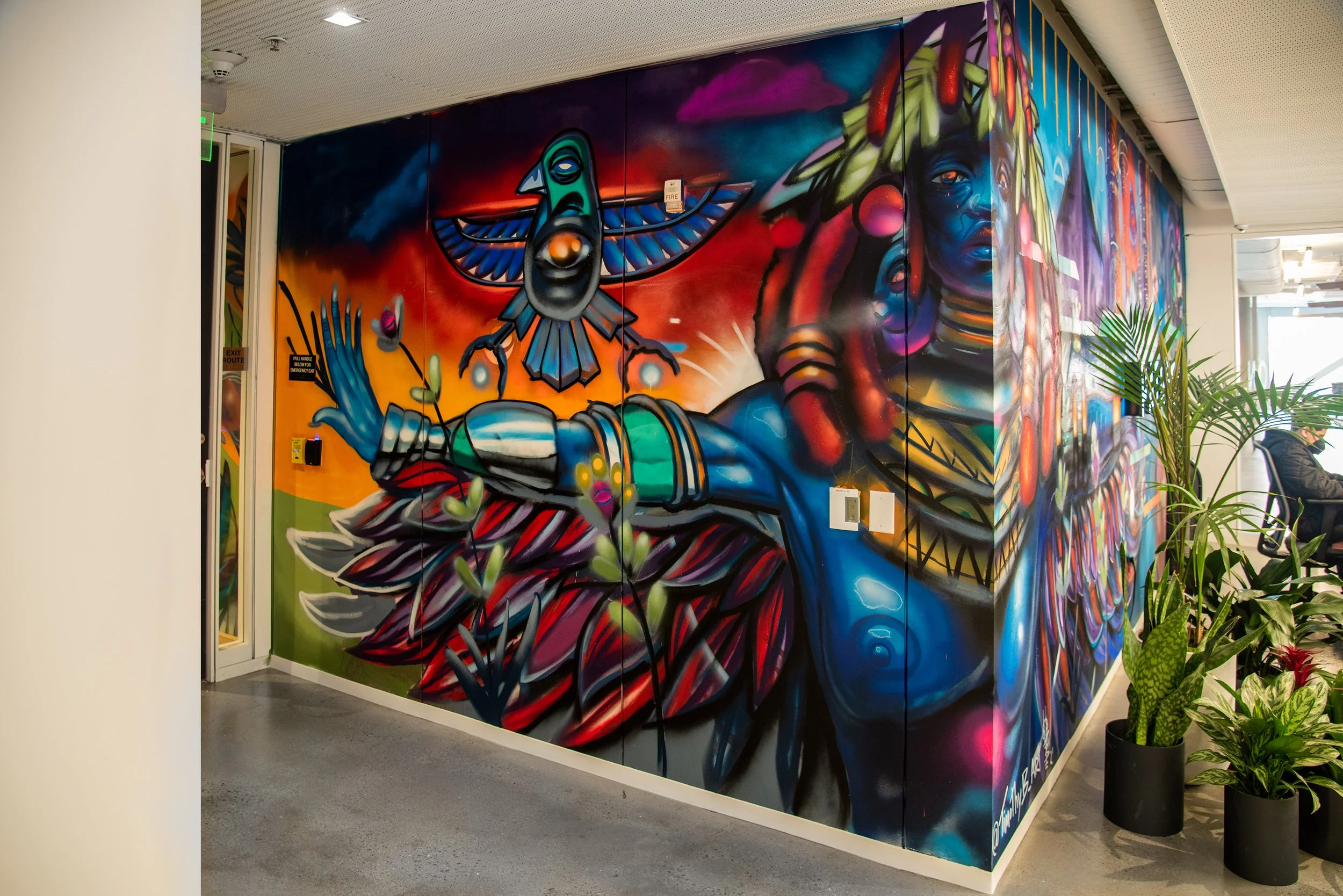
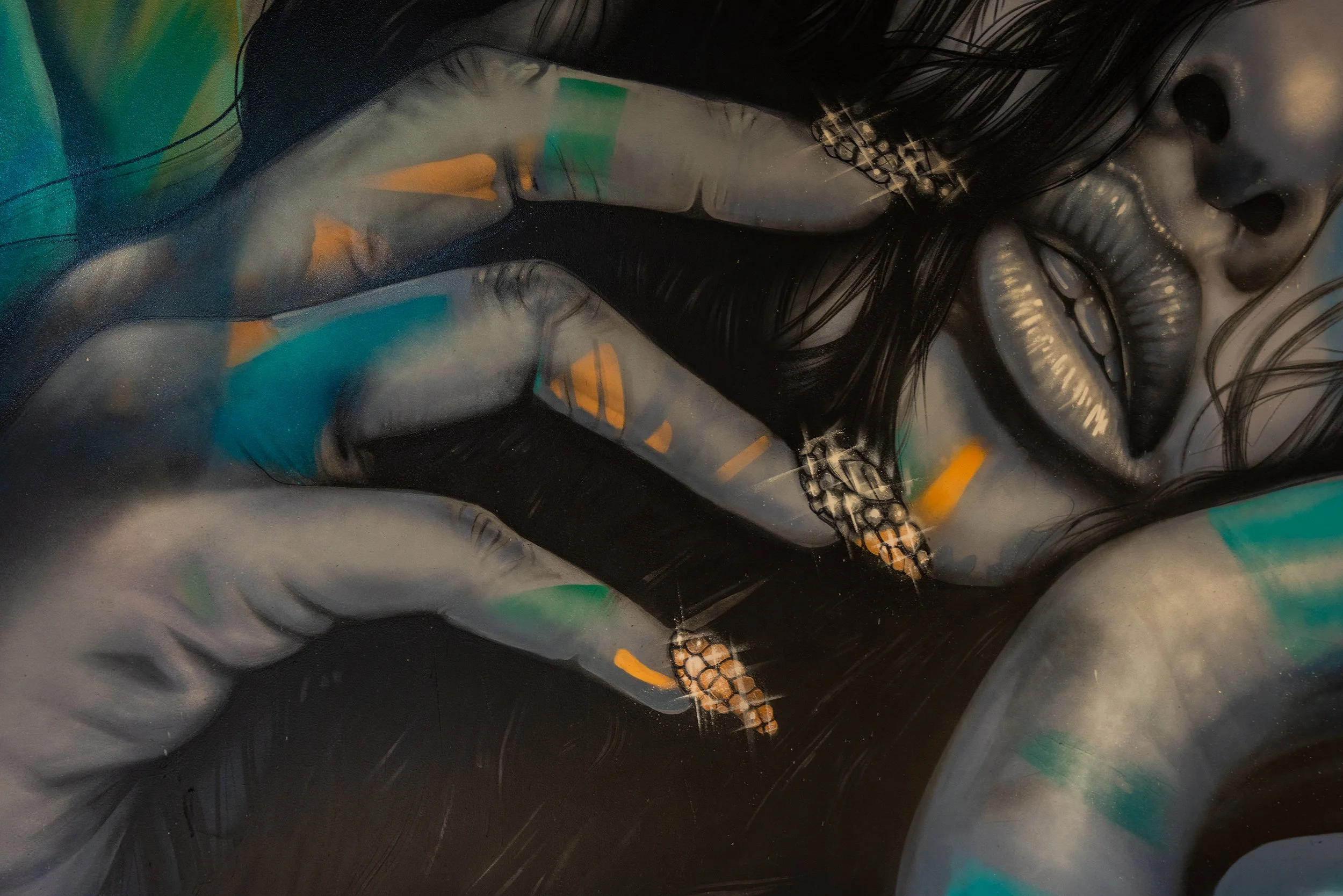
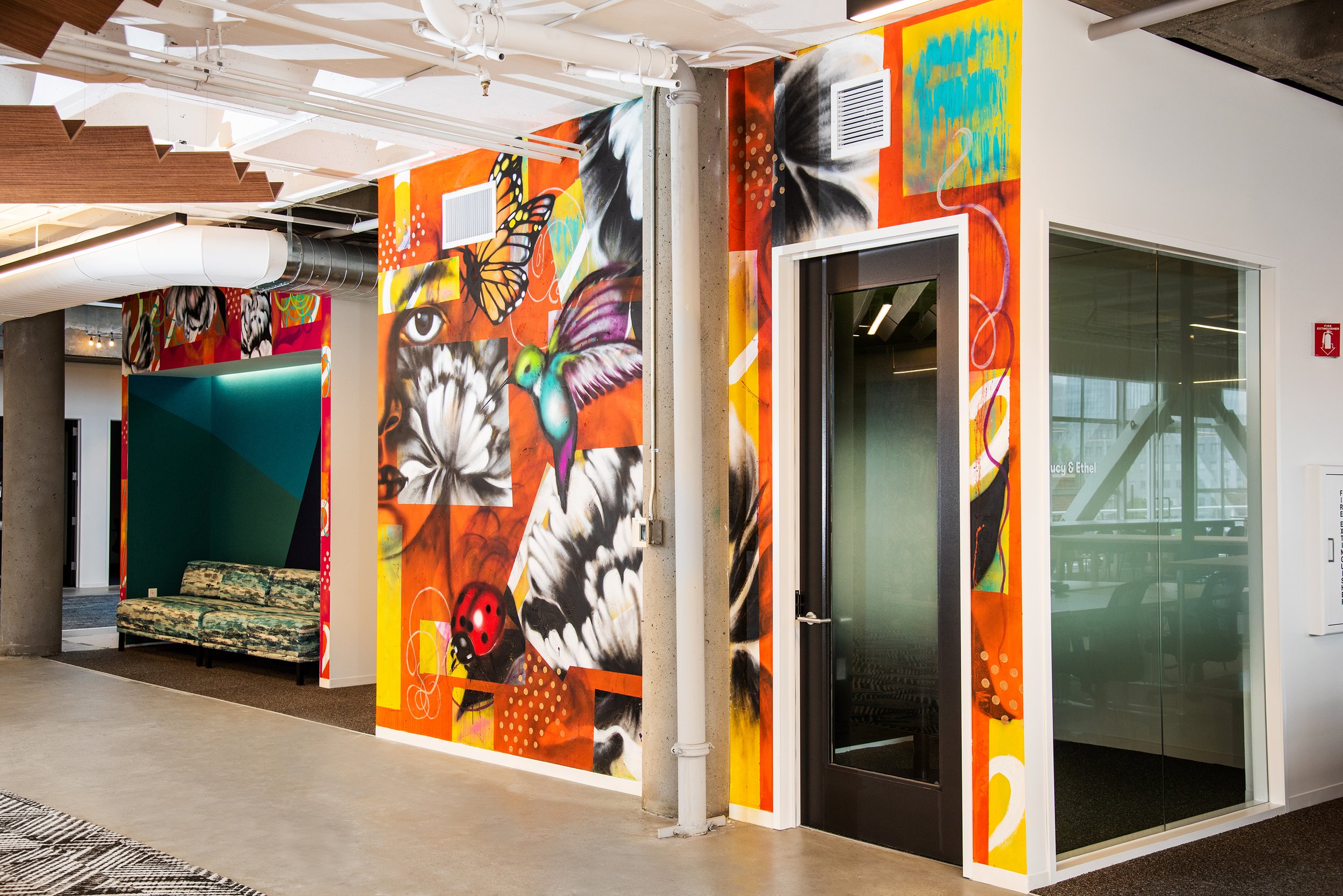
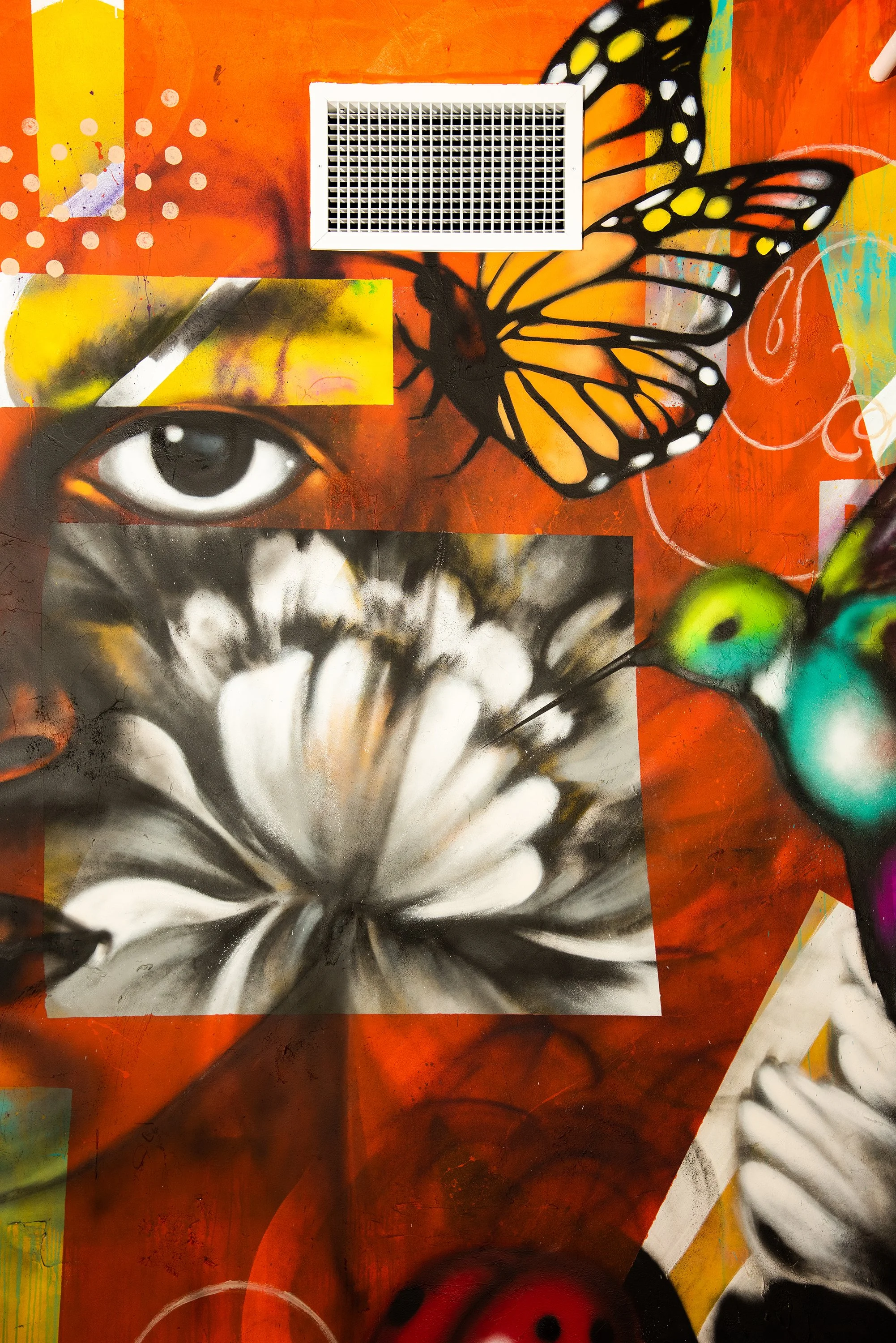
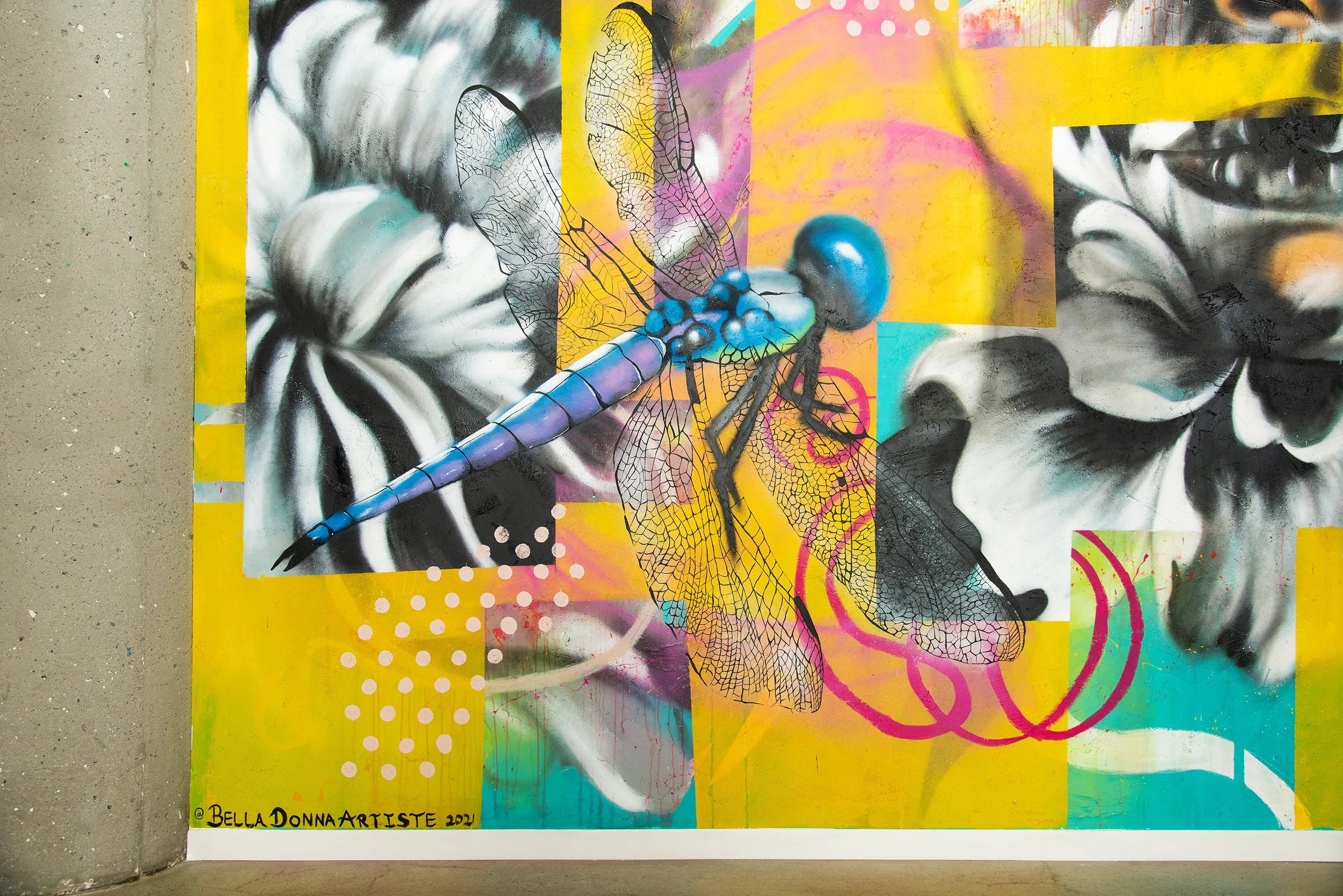
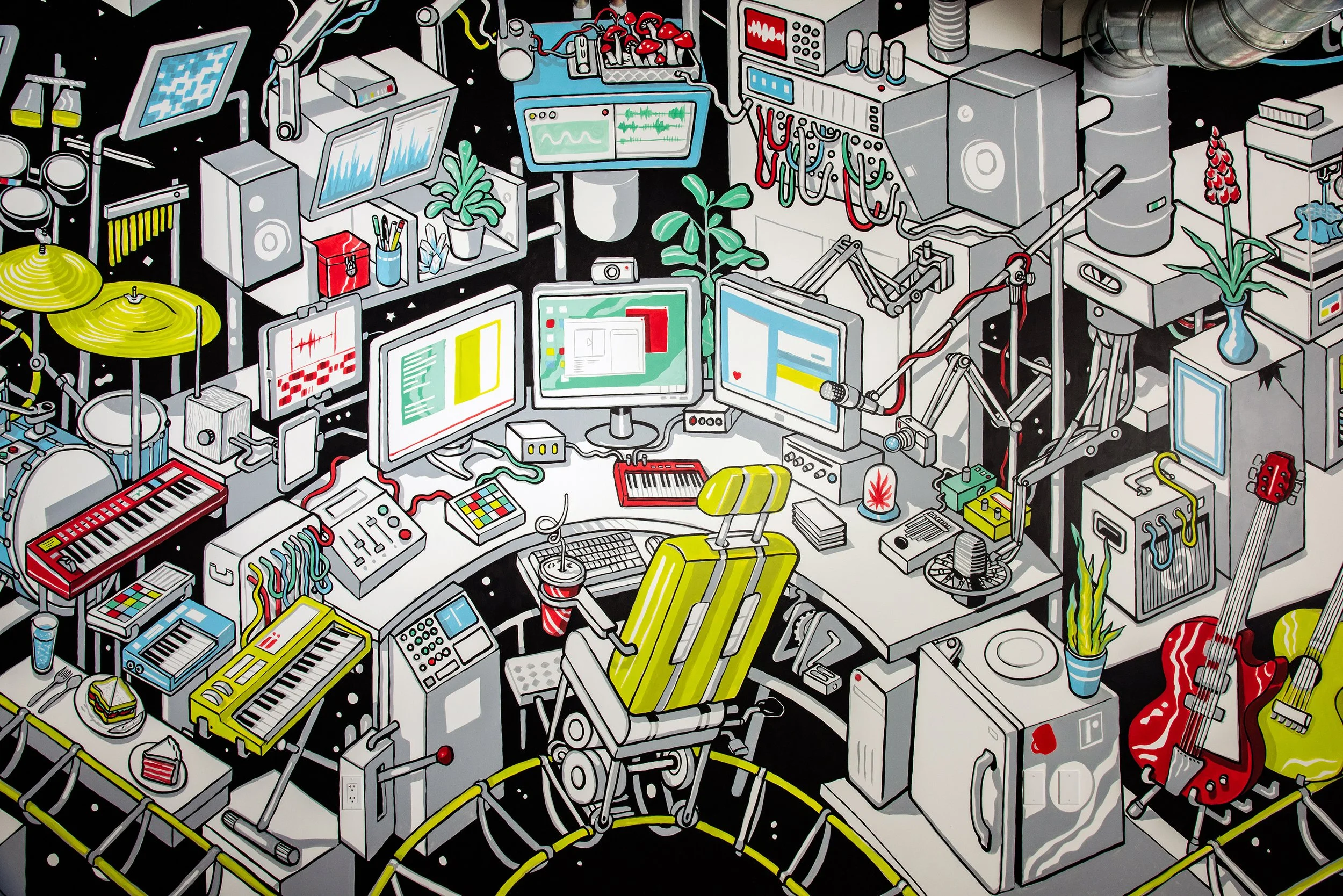
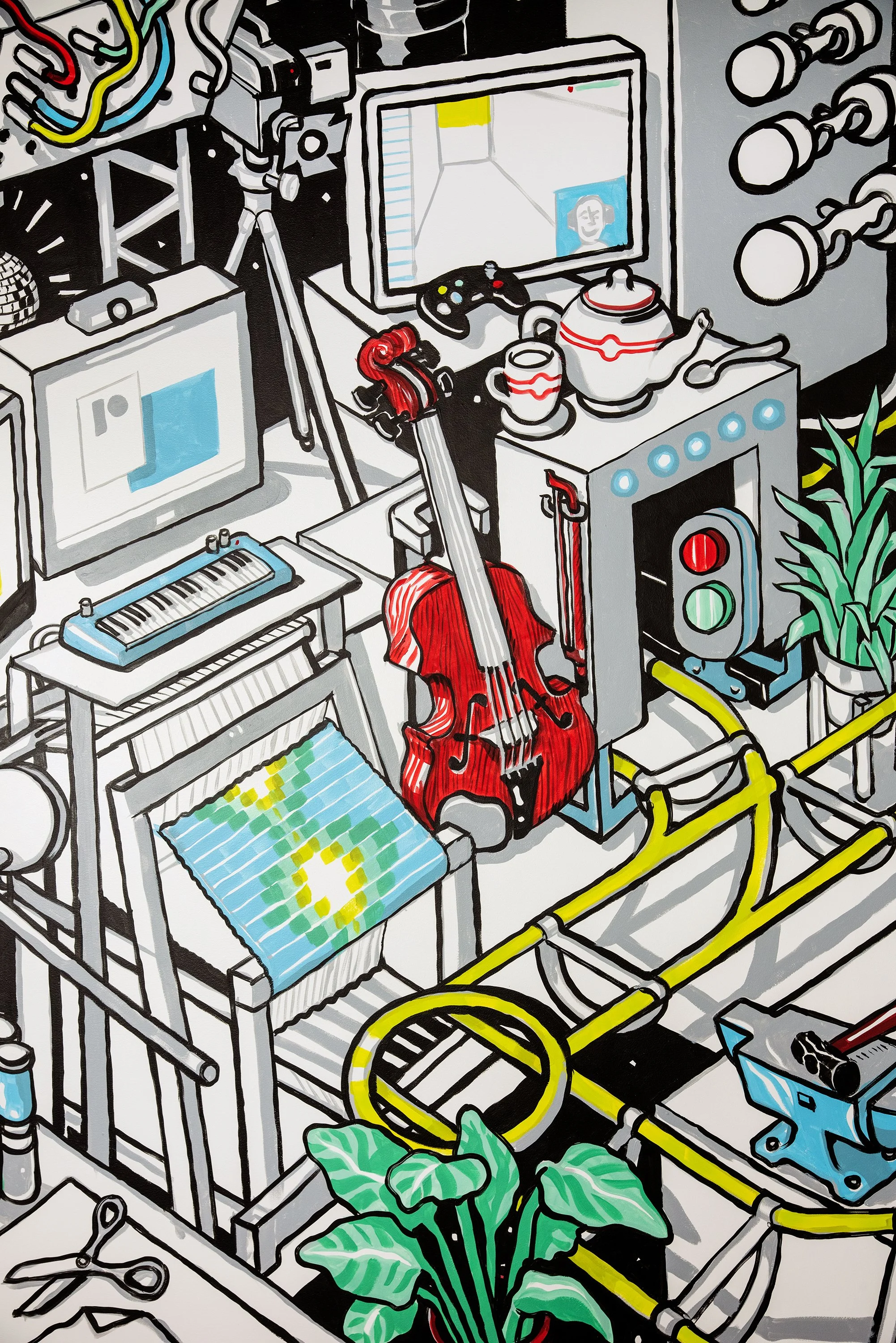
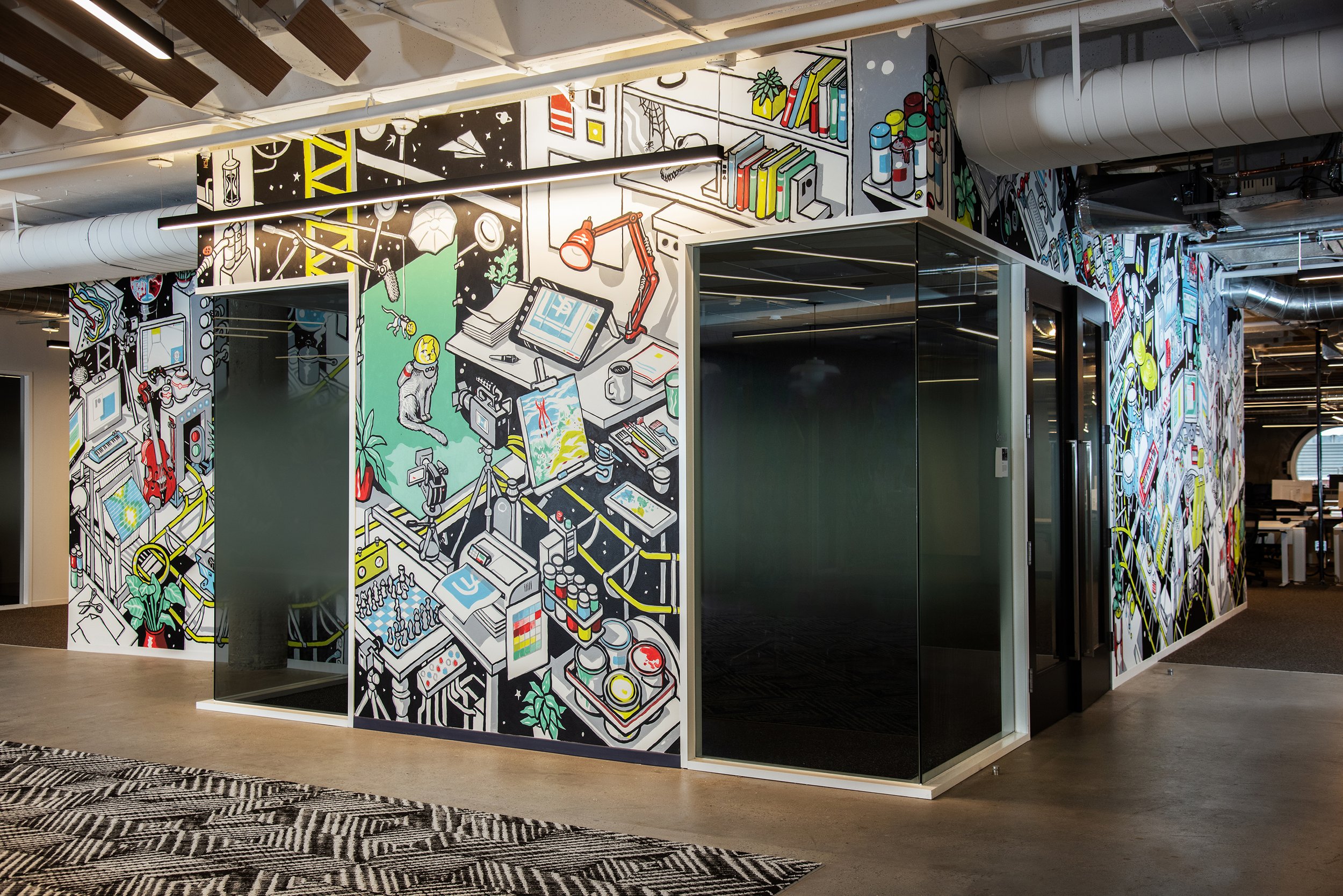
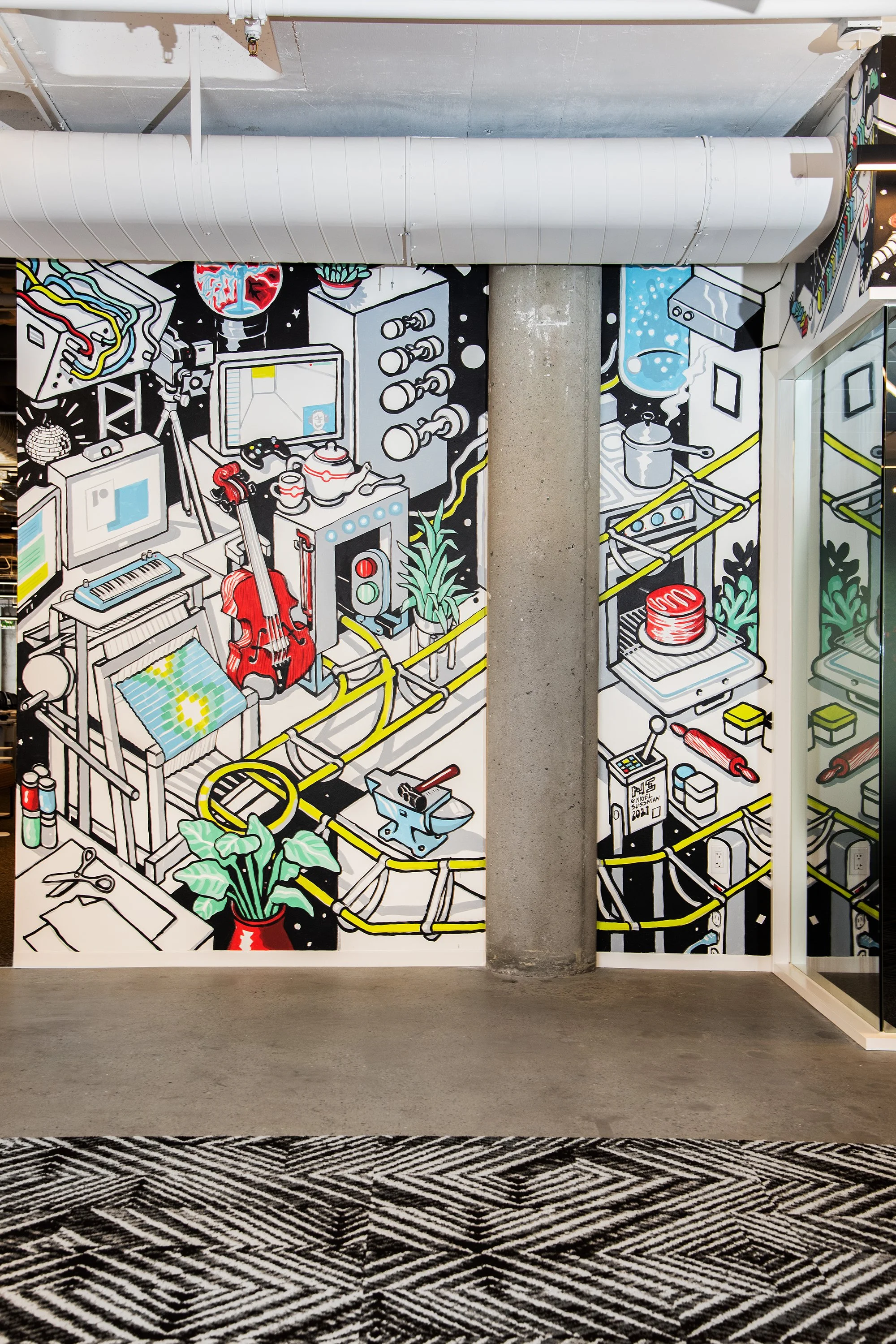
Across the headquarters, Building 180 produced more than 10 murals with six local BIPOC artists, each chosen for their individual vision and site-specific instinct.
The artists were not asked to simply illustrate Patreon’s brand, they were invited to represent themselves, trusting that the right artists, given real freedom, would create something more authentic than any prescriptive brief could produce.
The result was a workplace inspired by the same creative community Patreon exists to support.
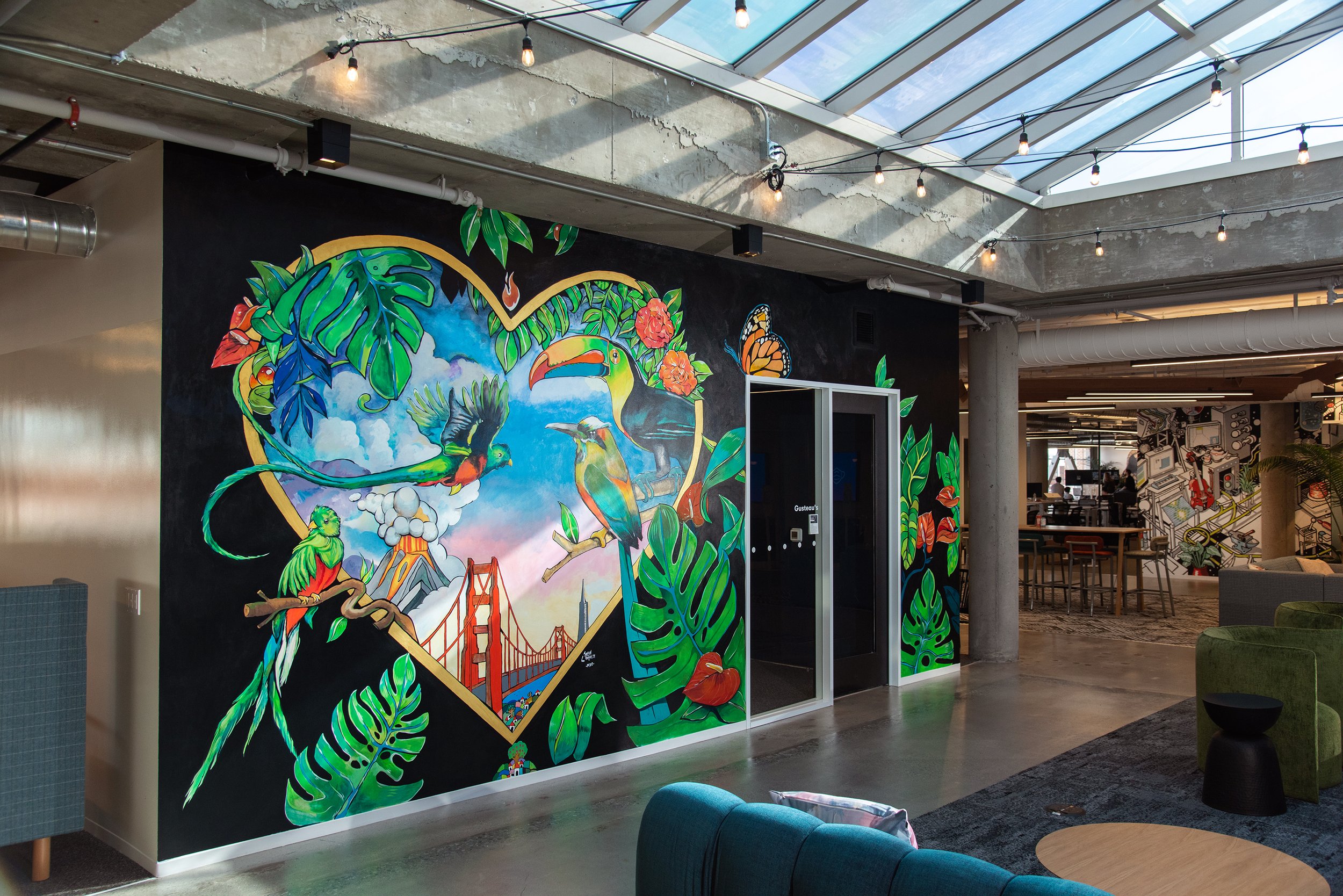
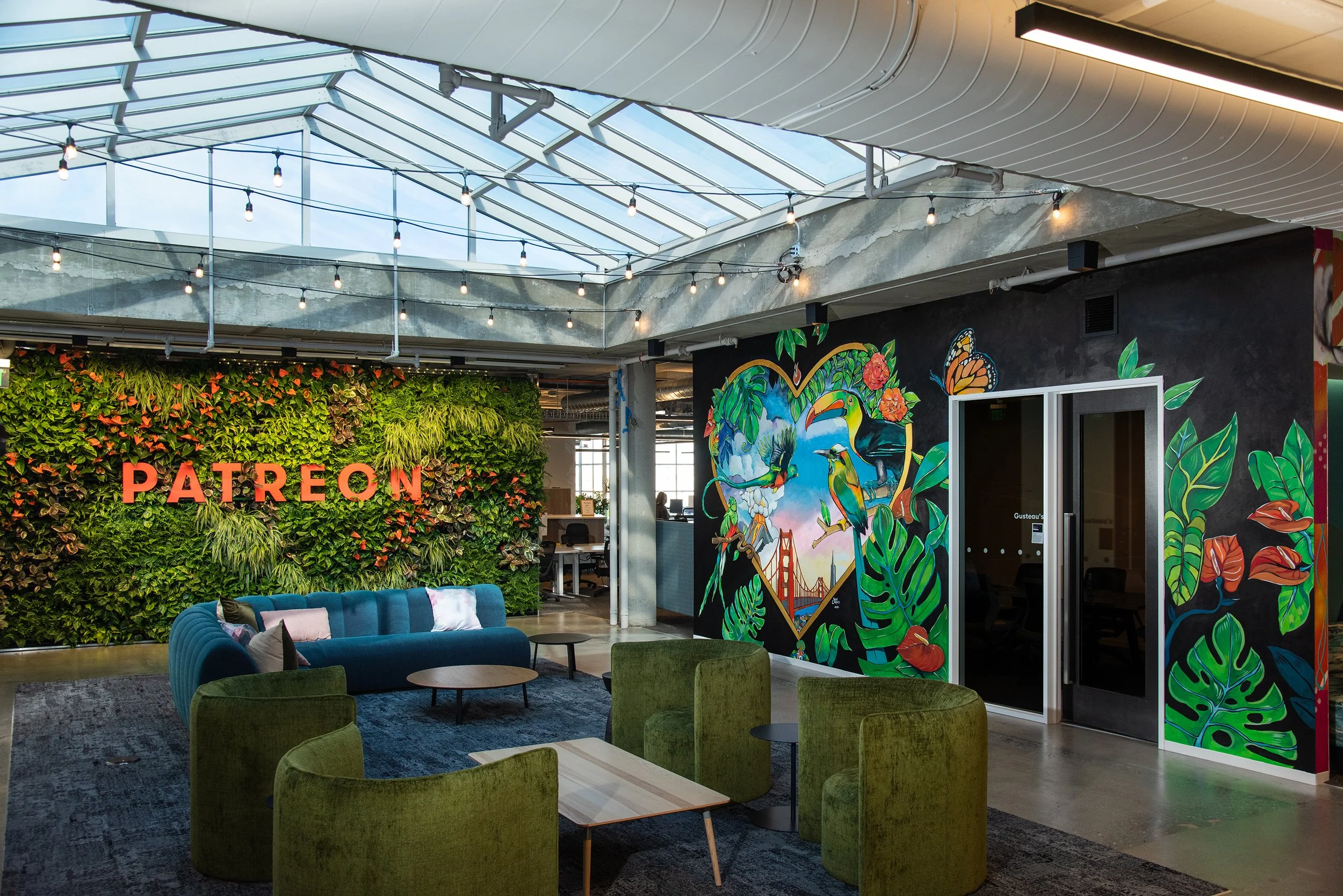
Curatorial judgment as the connective tissue.
Because the artists were working independently, the cohesion of the space depended on Building 180’s ability to see the full picture.
The team managed the relationships, production process and site-specific needs that allowed each piece to feel distinct without making the headquarters feel fragmented. Each mural had its own point of view, but together, they created a larger environment that felt expressive, intentional and deeply connected to Patreon’s mission.
The finished headquarters reads not as a collection of unrelated murals, but as an expression of what Patreon stands for: artists at the center, creativity made visible and culture built directly into the workplace.
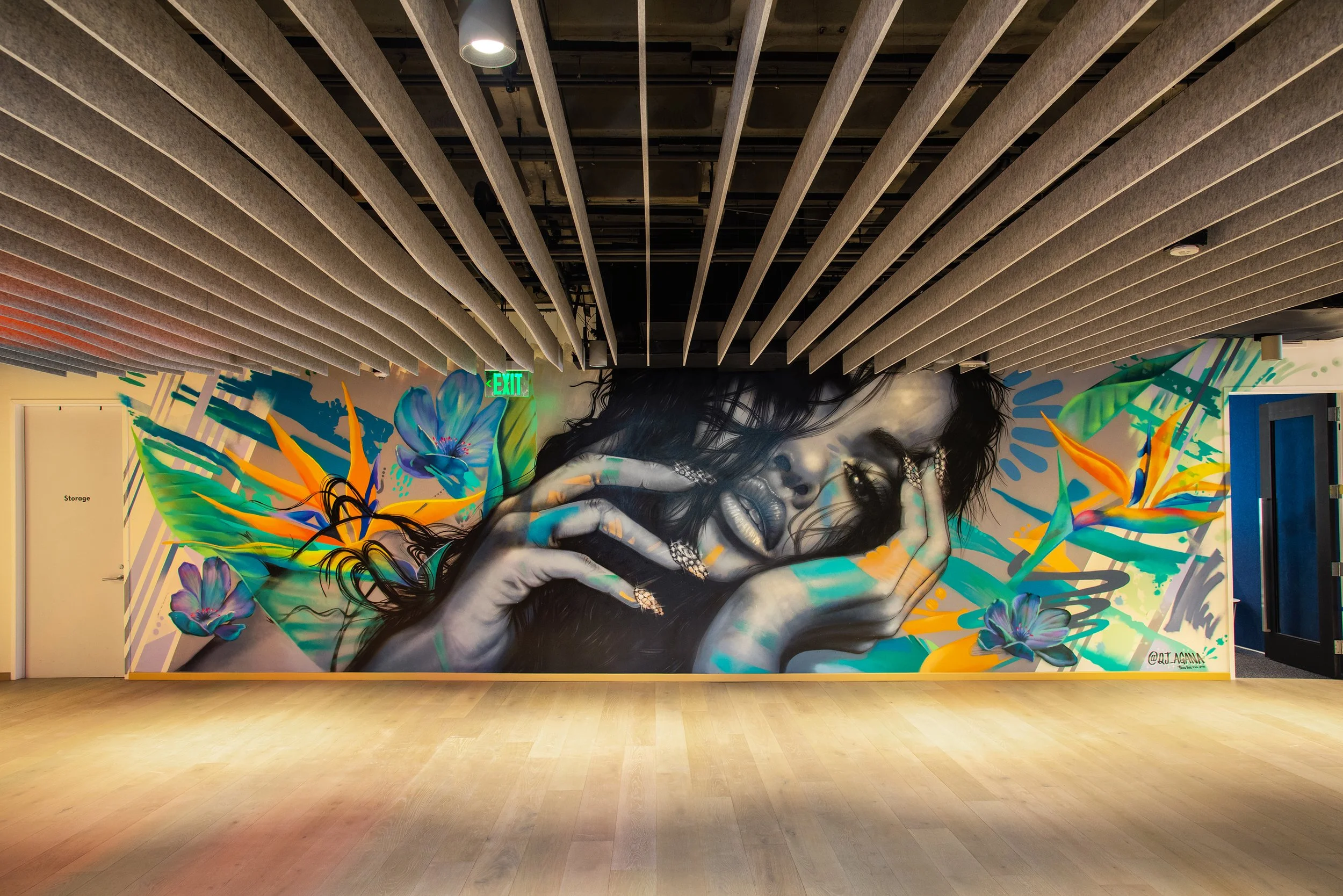
The Patreon project demonstrates what thoughtful art curation can do for a workplace.
It can make a company’s values tangible. It can give an office a cultural life of its own. And it can free artists to create work that feels alive because it was never forced to behave like decoration.
For Building 180, the project was a clear expression of artist-centered production: protect the creative vision, manage the process around it and let the work speak for itself.