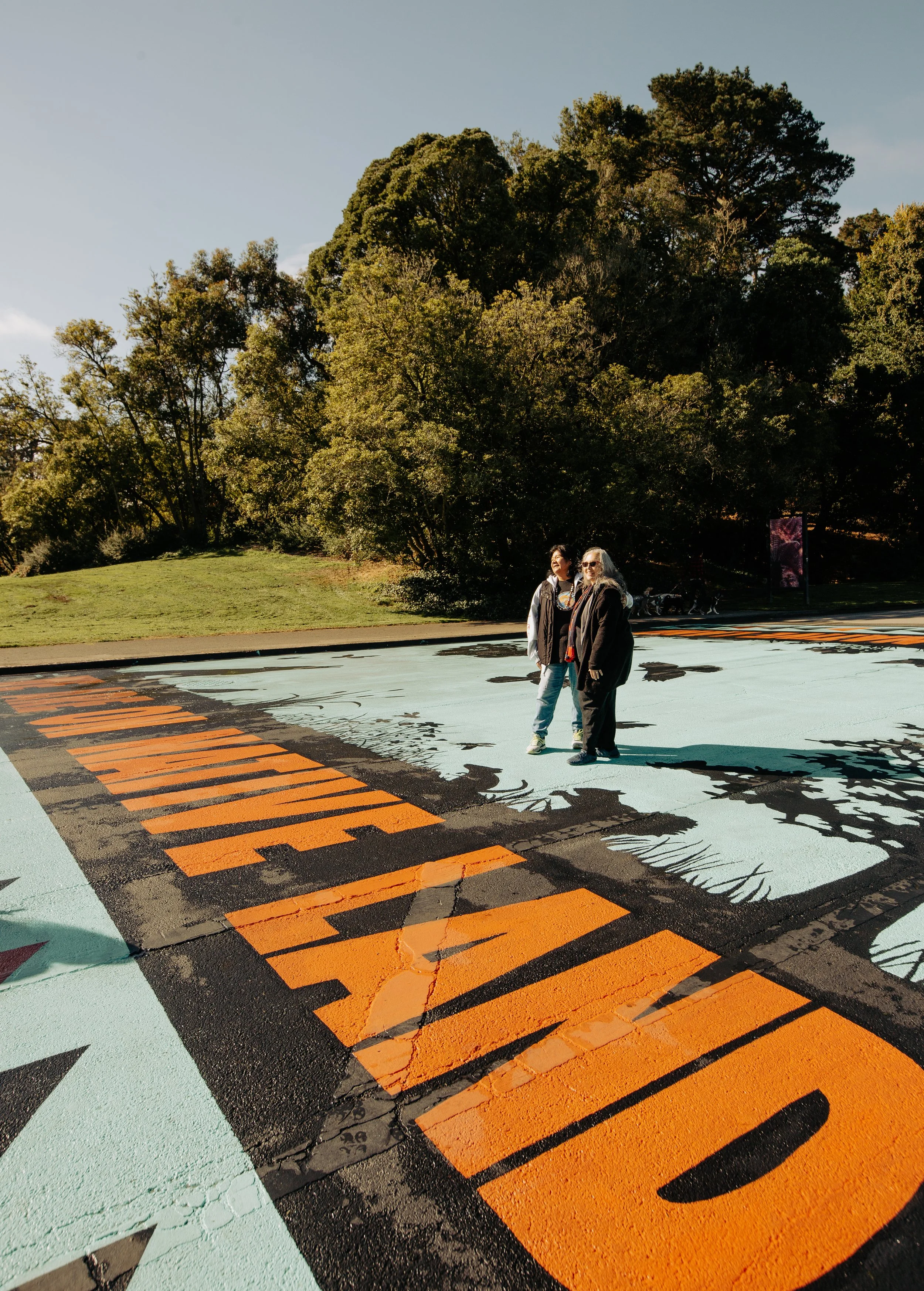
Golden Mile + Sunset Dunes
Public art helped San Francisco reclaim its streets.
Art turned reclaimed streets into shared public space.
Golden Mile and Sunset Dunes are two of San Francisco’s most significant public-space transformations: major car corridors reimagined as permanent places for people.
As these larger civic initiatives moved from idea to reality, Building 180 was brought in to help use public art as a tool for placemaking, advocacy, and community engagement.
On JFK Drive in Golden Gate Park and the Great Highway along Ocean Beach, murals, sculpture, artist coordination, and on-the-ground production helped these newly reclaimed spaces feel less like roads without cars and more like parks with a purpose.
A former road needed a new way to be understood.
When a road becomes a park, the physical change is only part of the work.
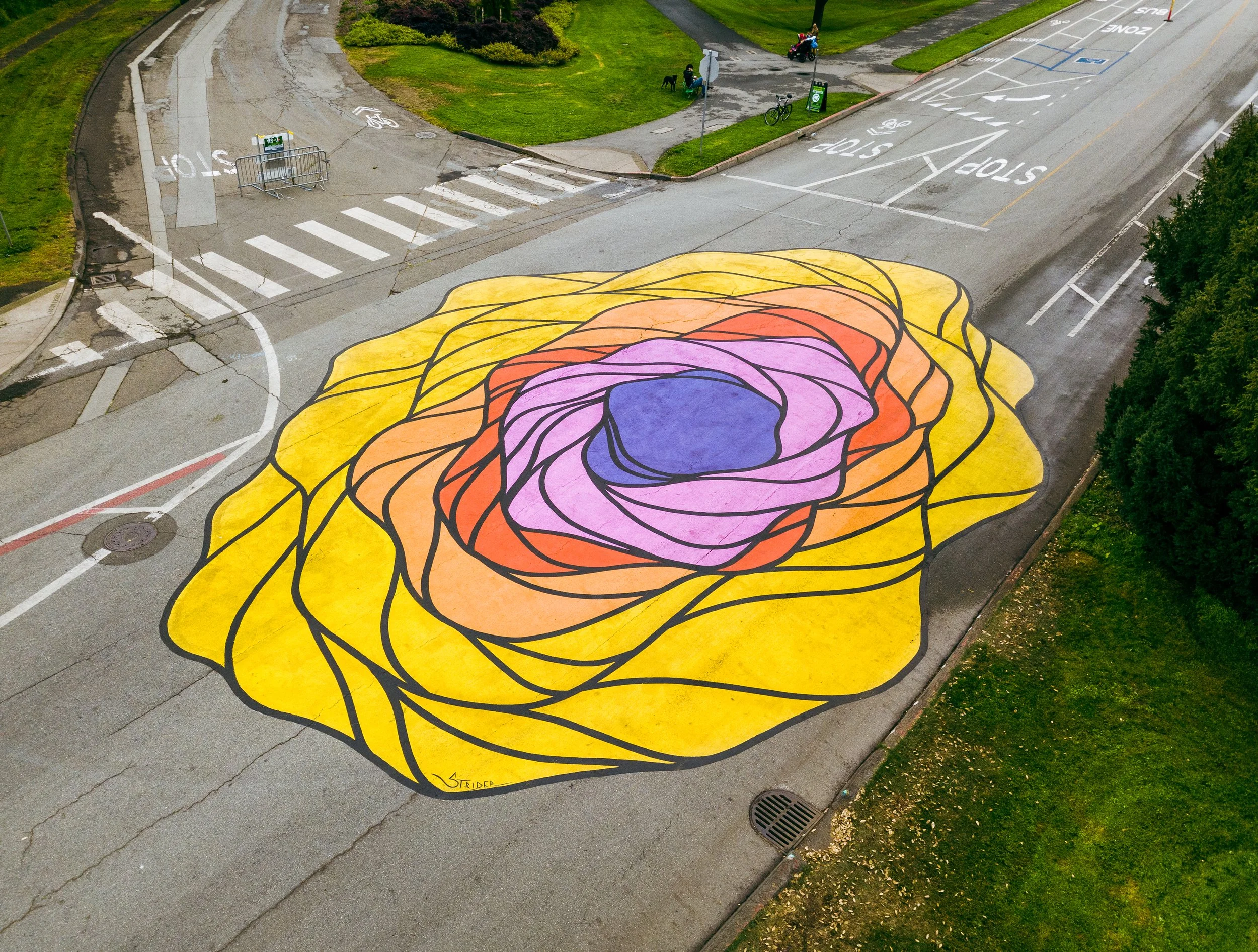
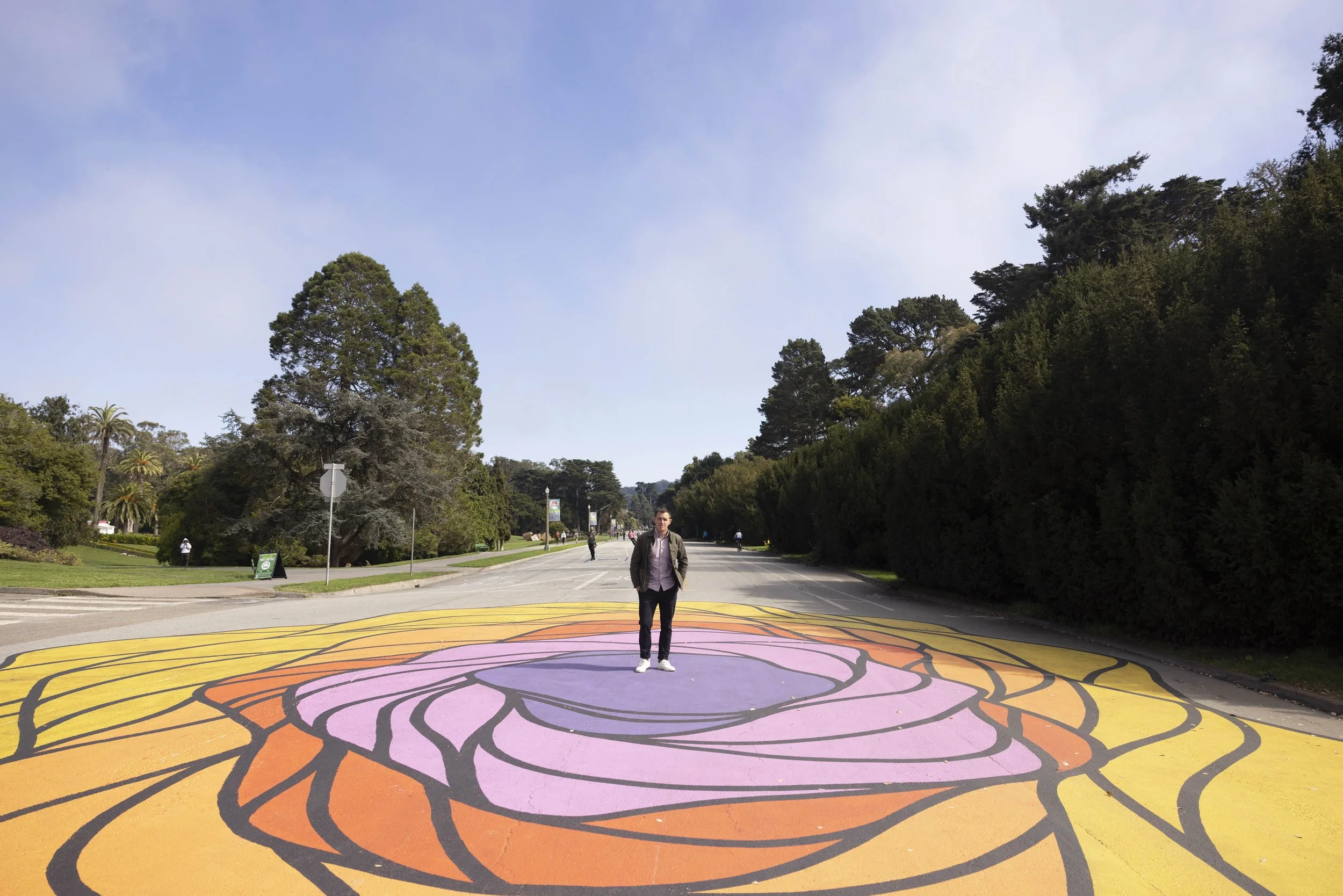
People still understand the space through years of conditioning: lanes, asphalt, curbs, traffic patterns, and the instinct to keep moving. Building 180 helped shift that perception by placing art directly in the center of the former roadways.
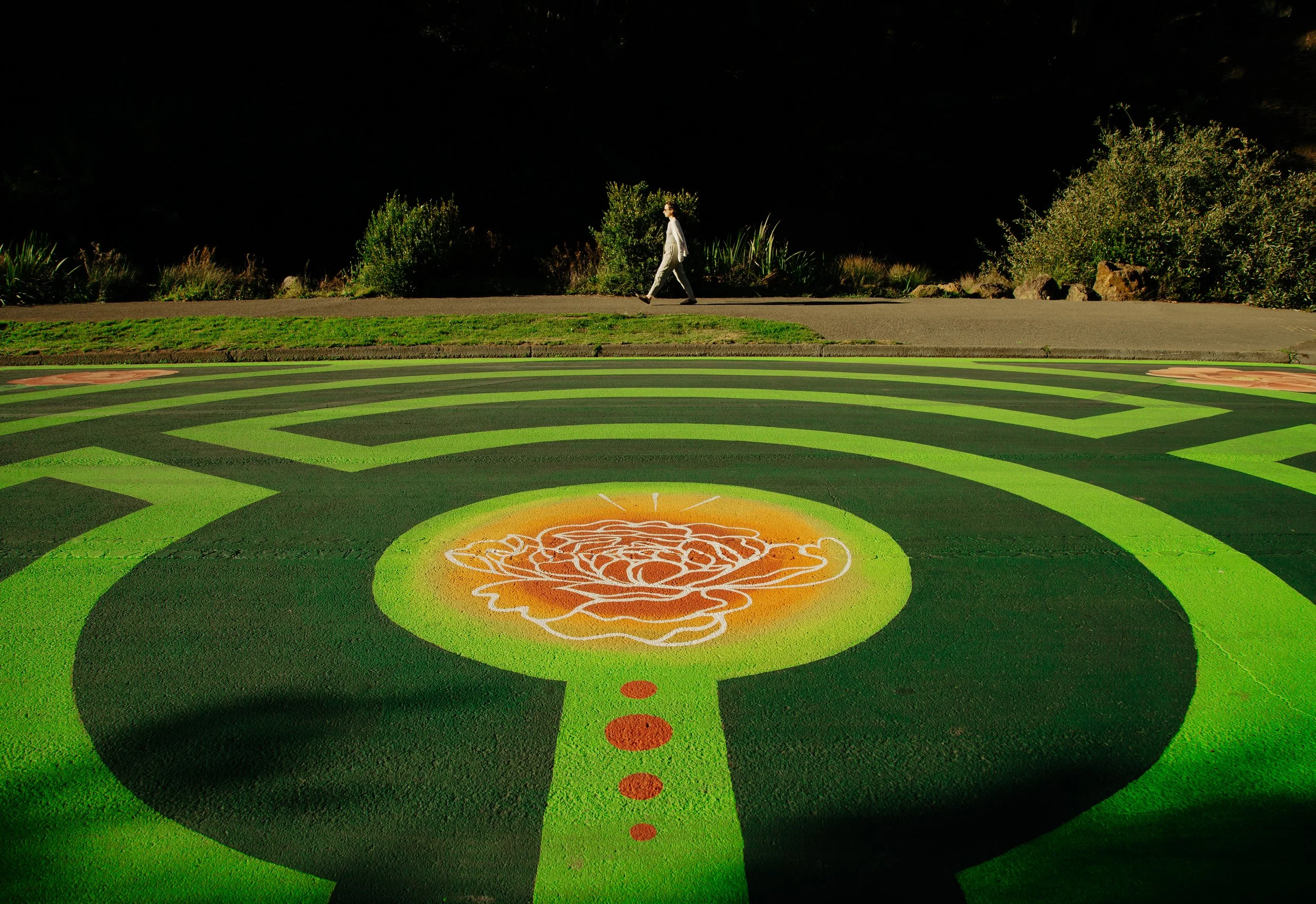
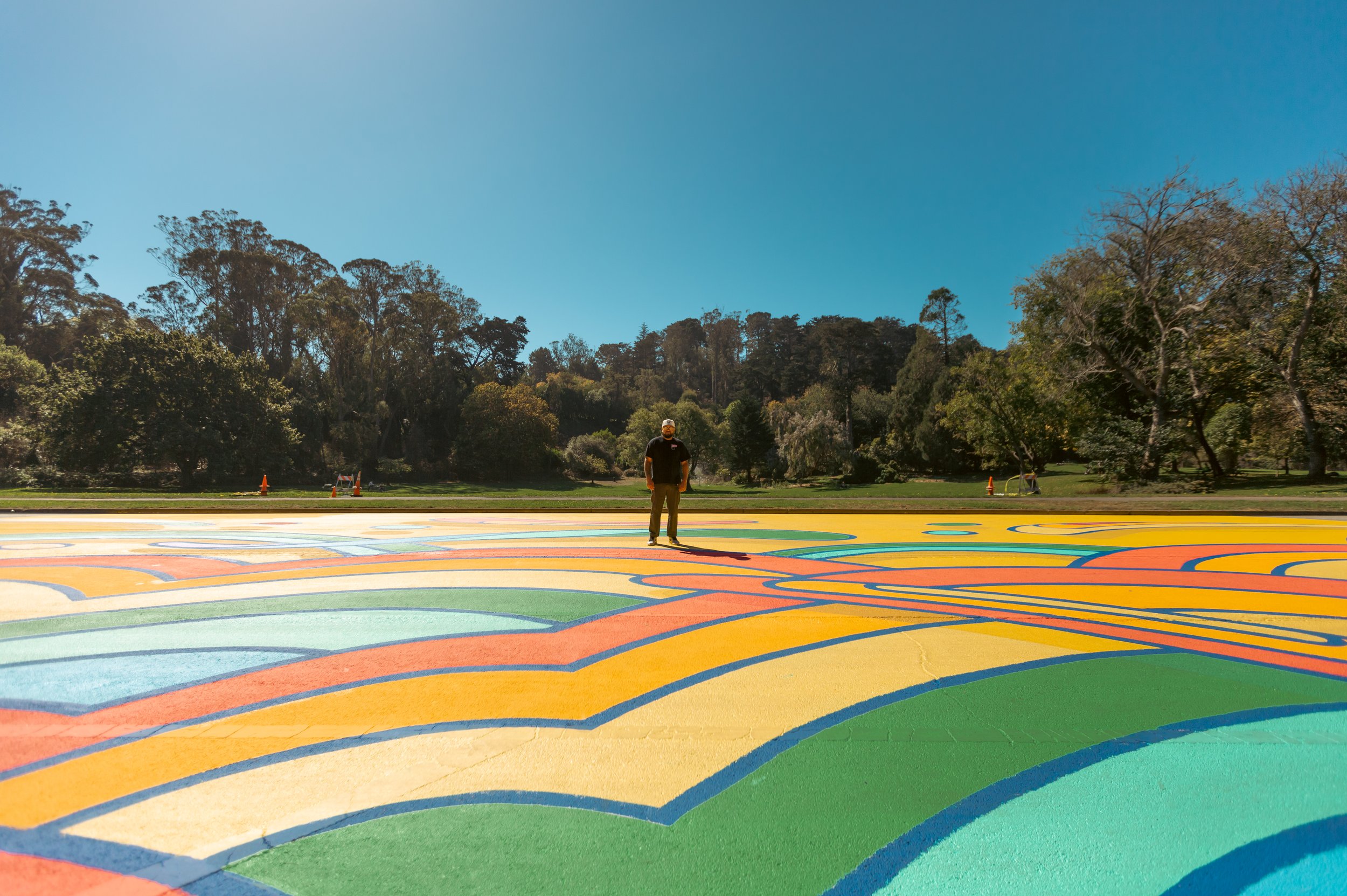
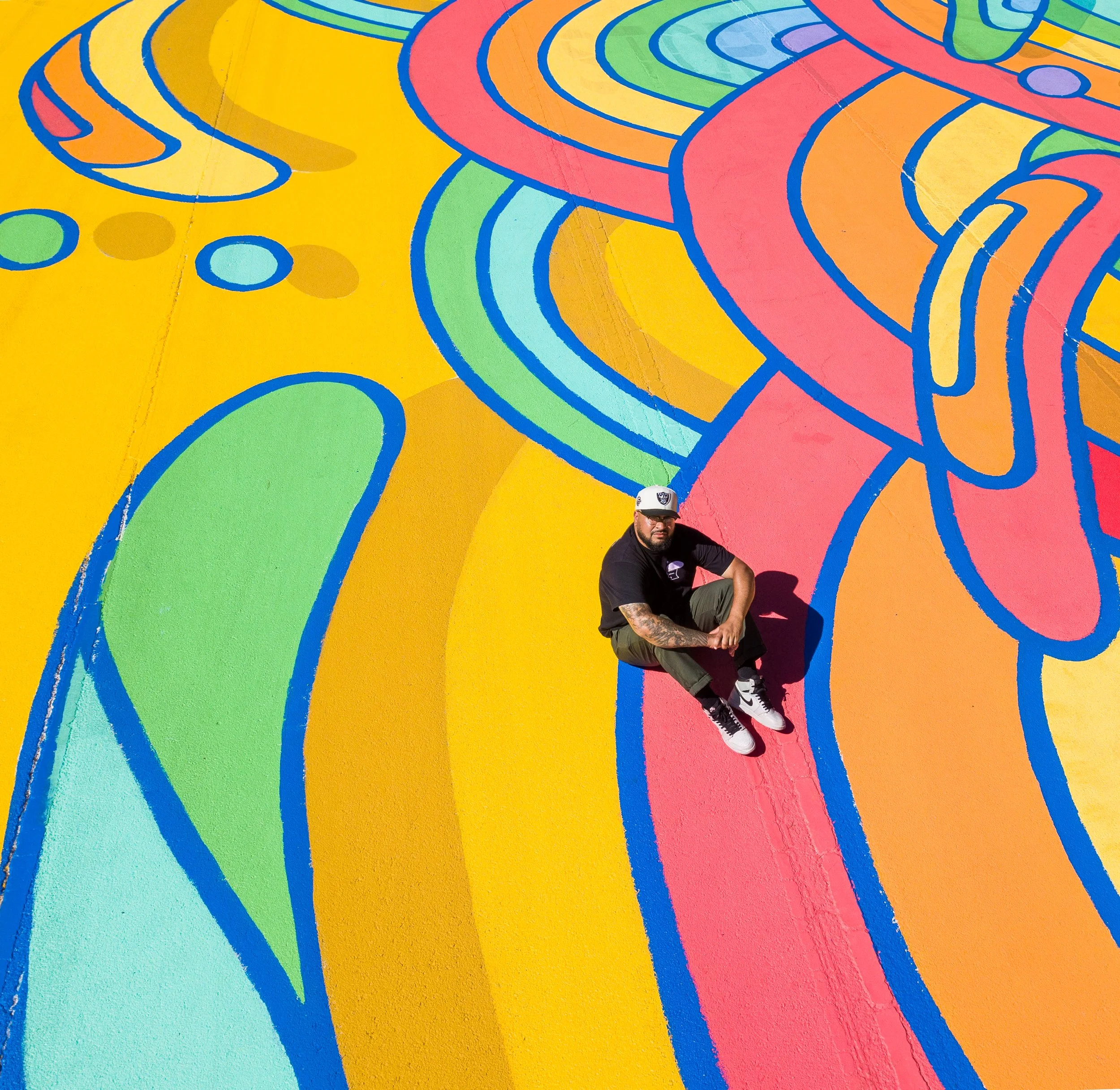
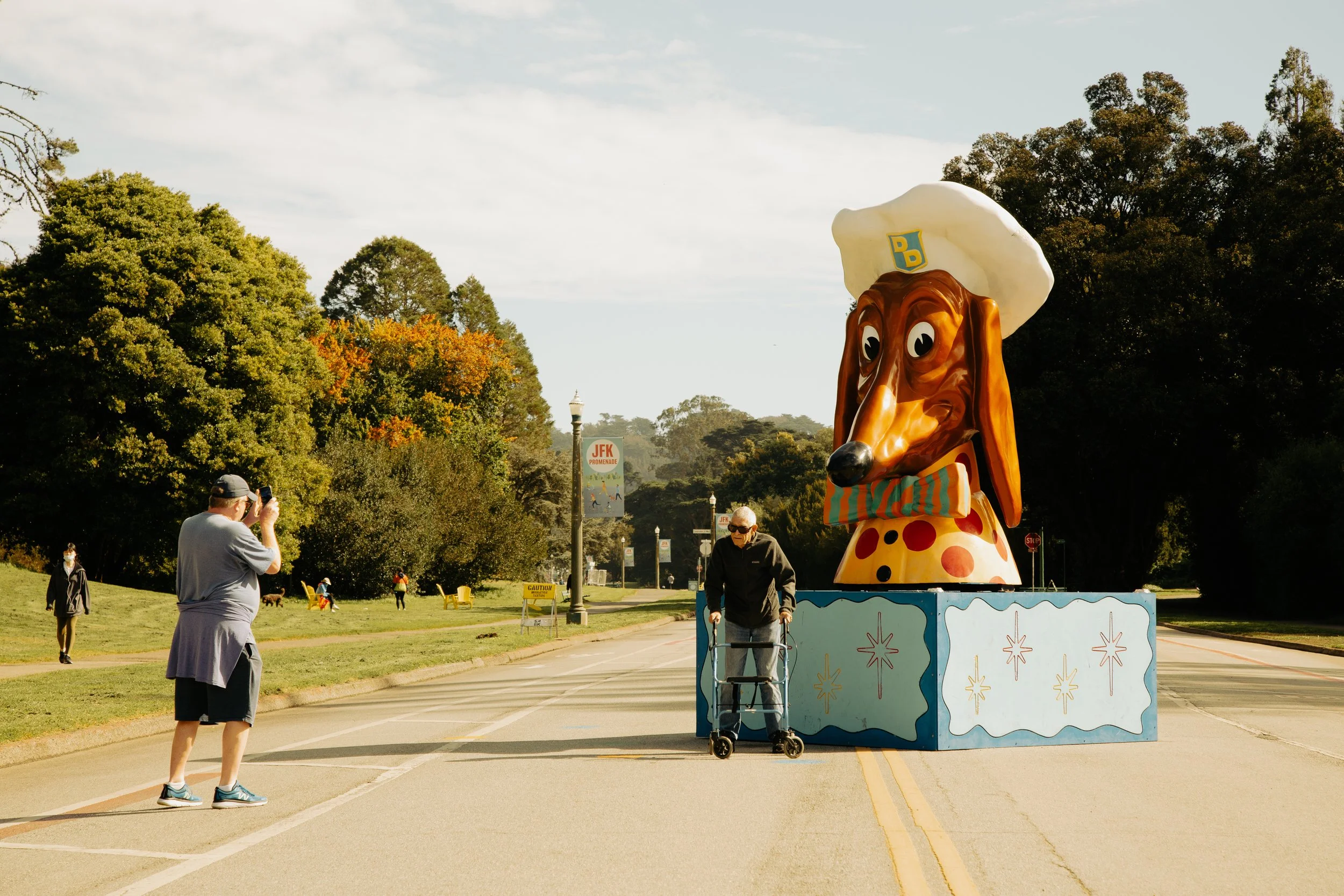
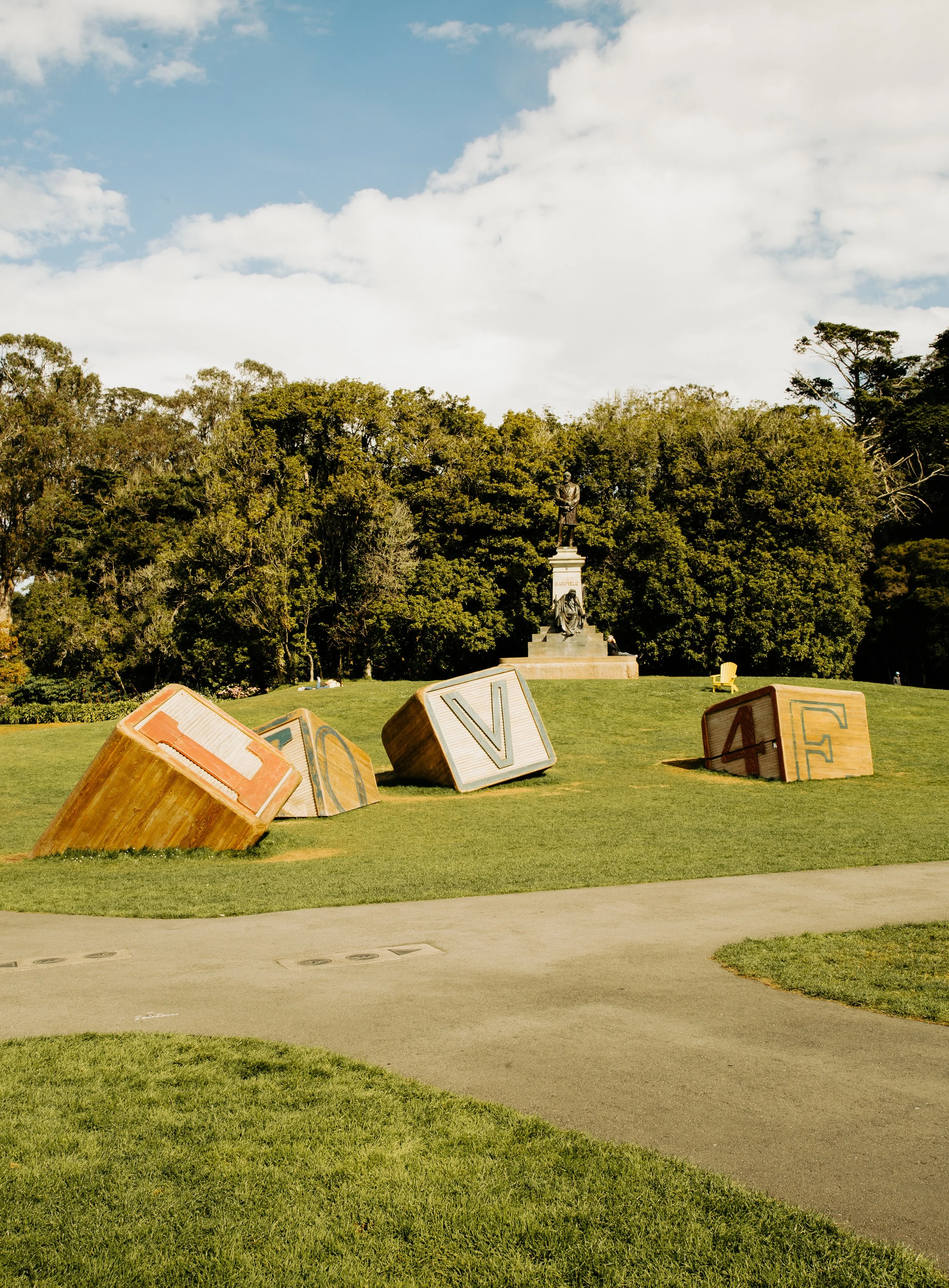
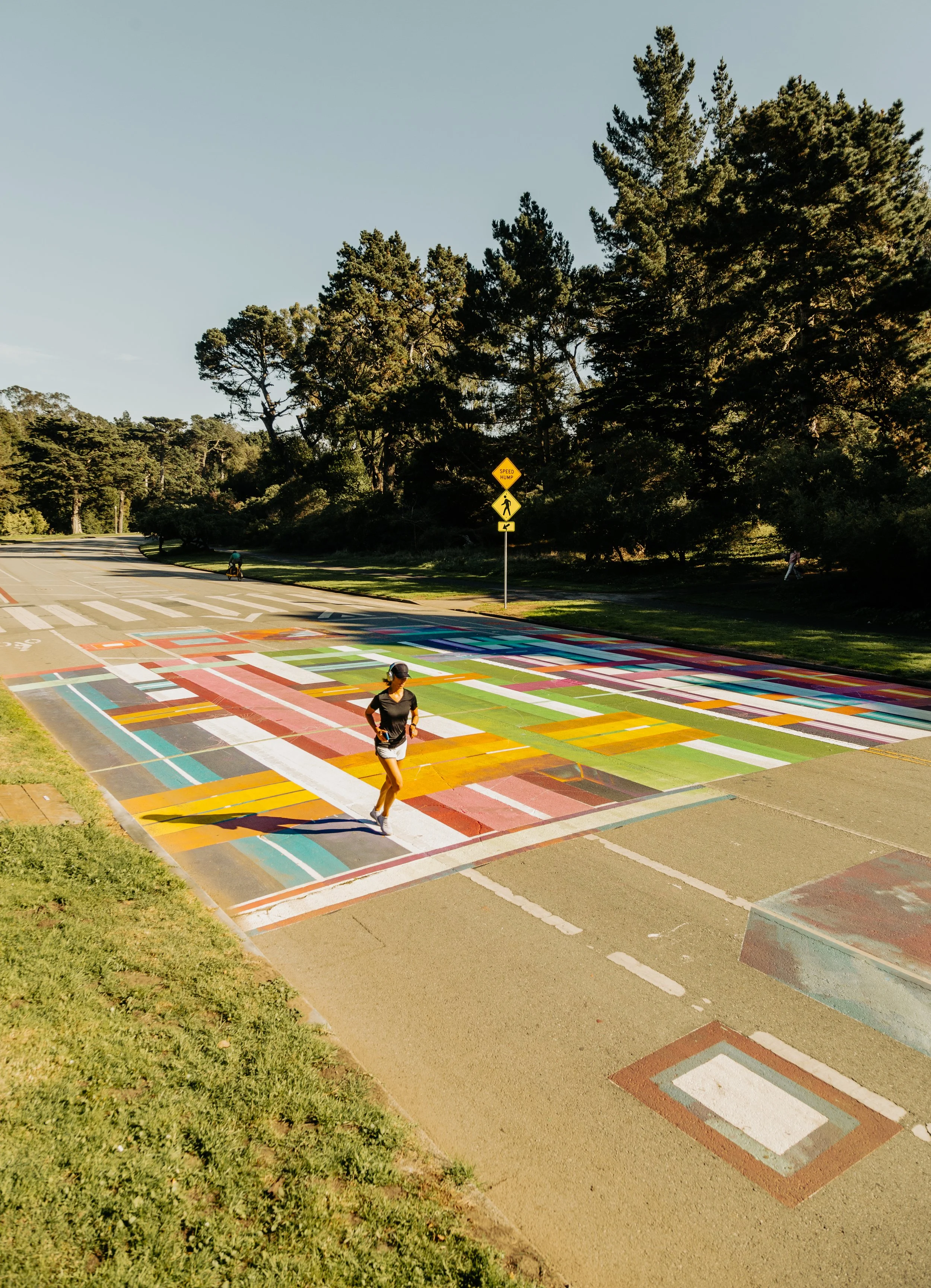
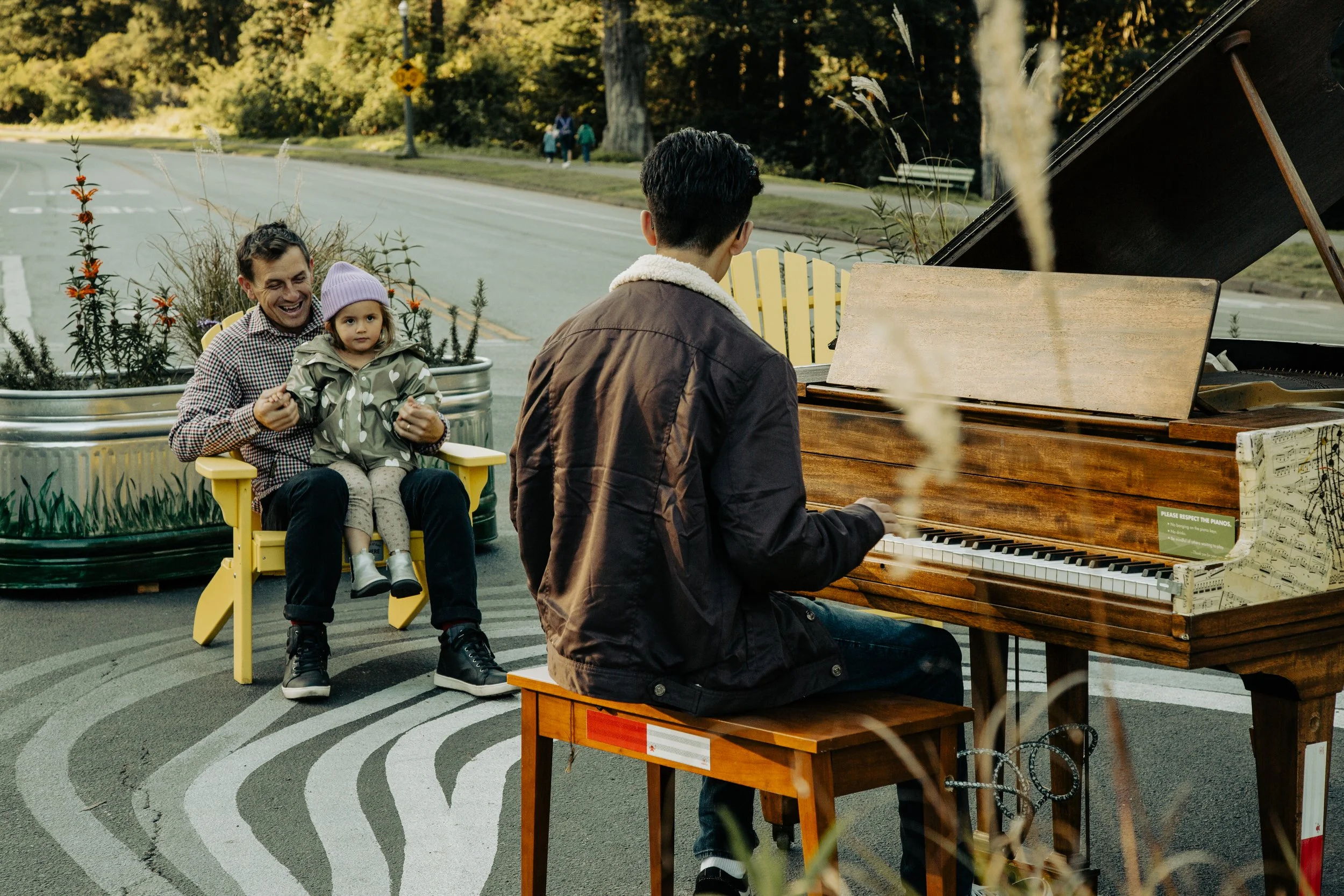
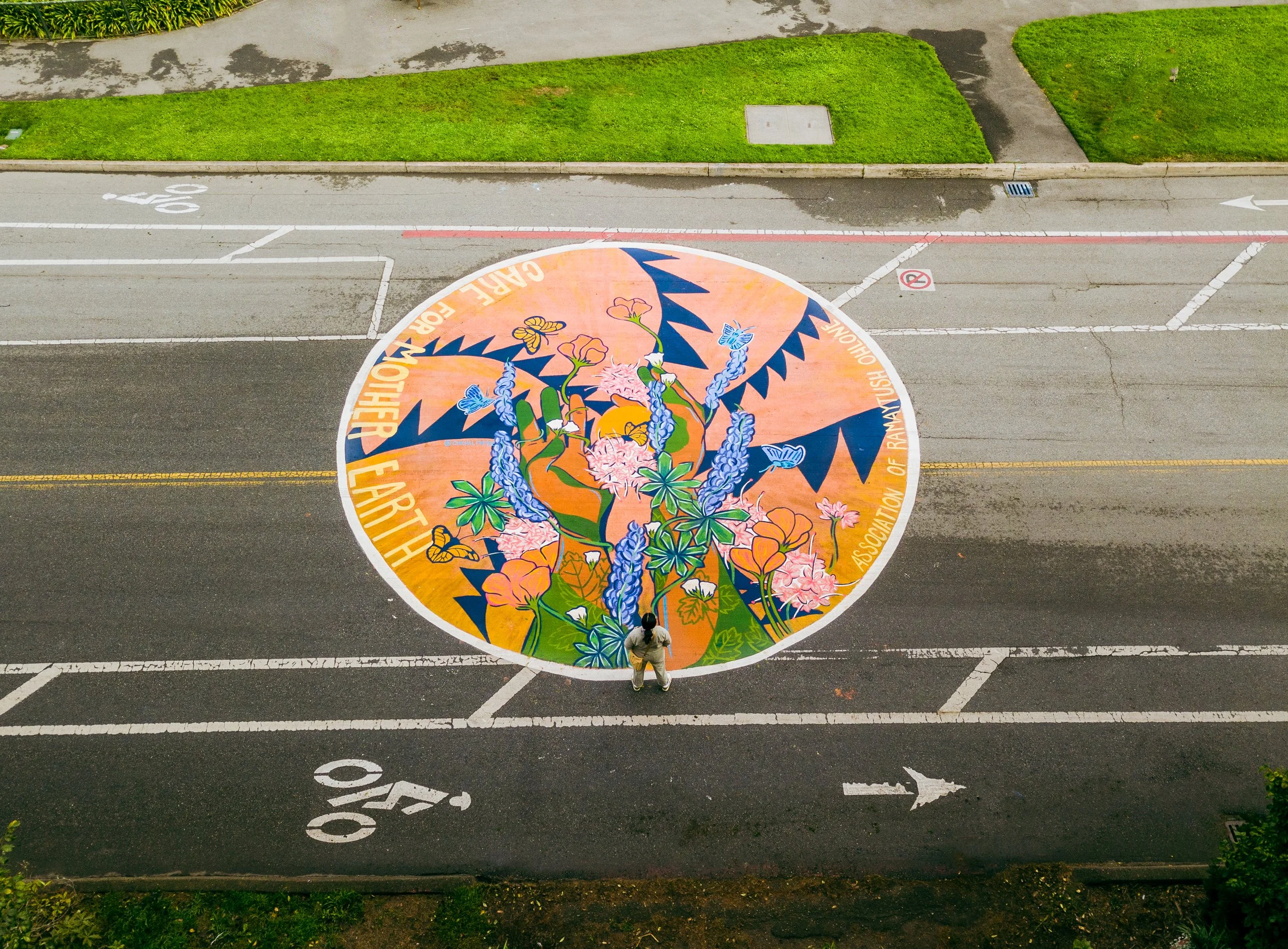
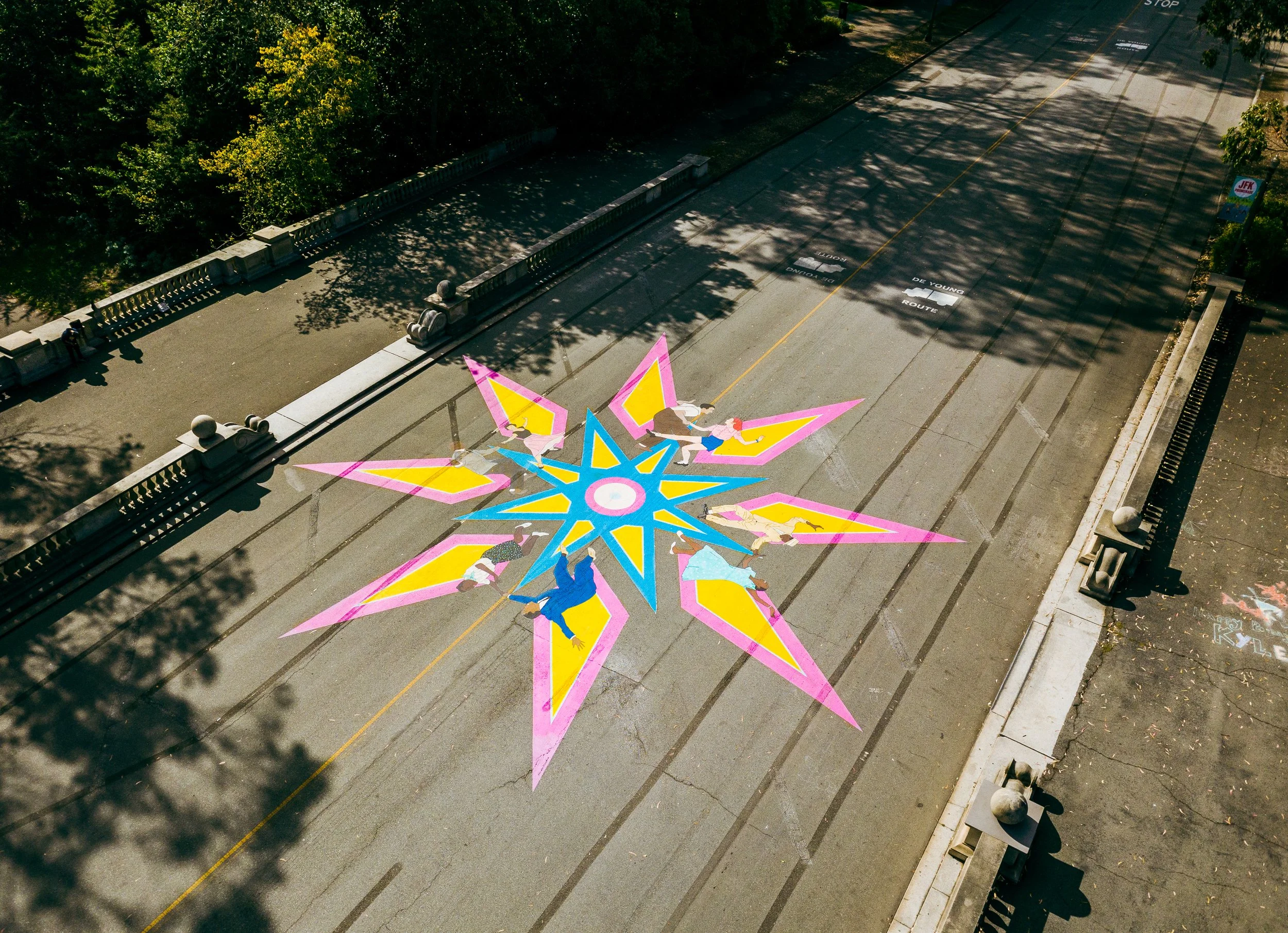
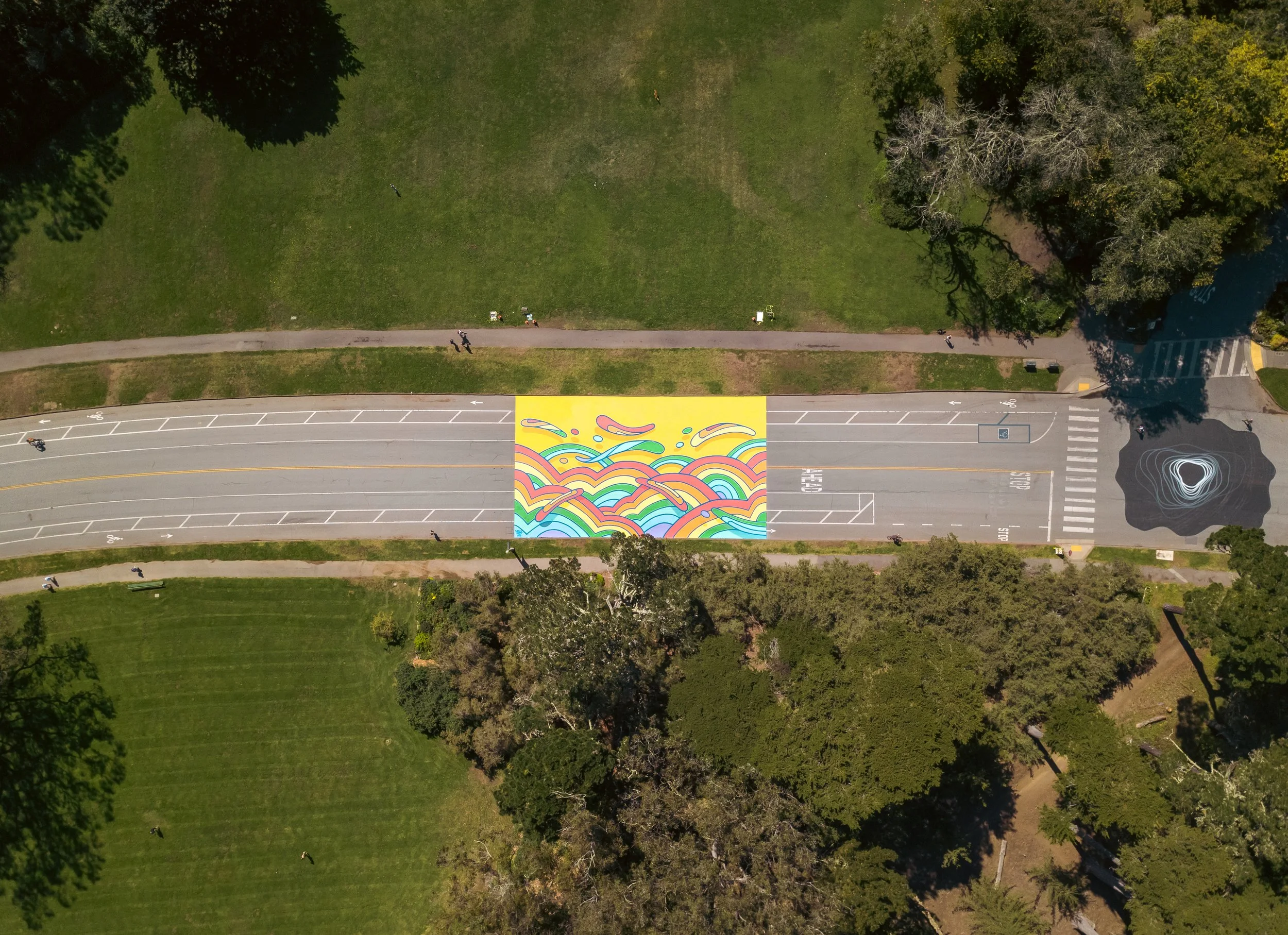
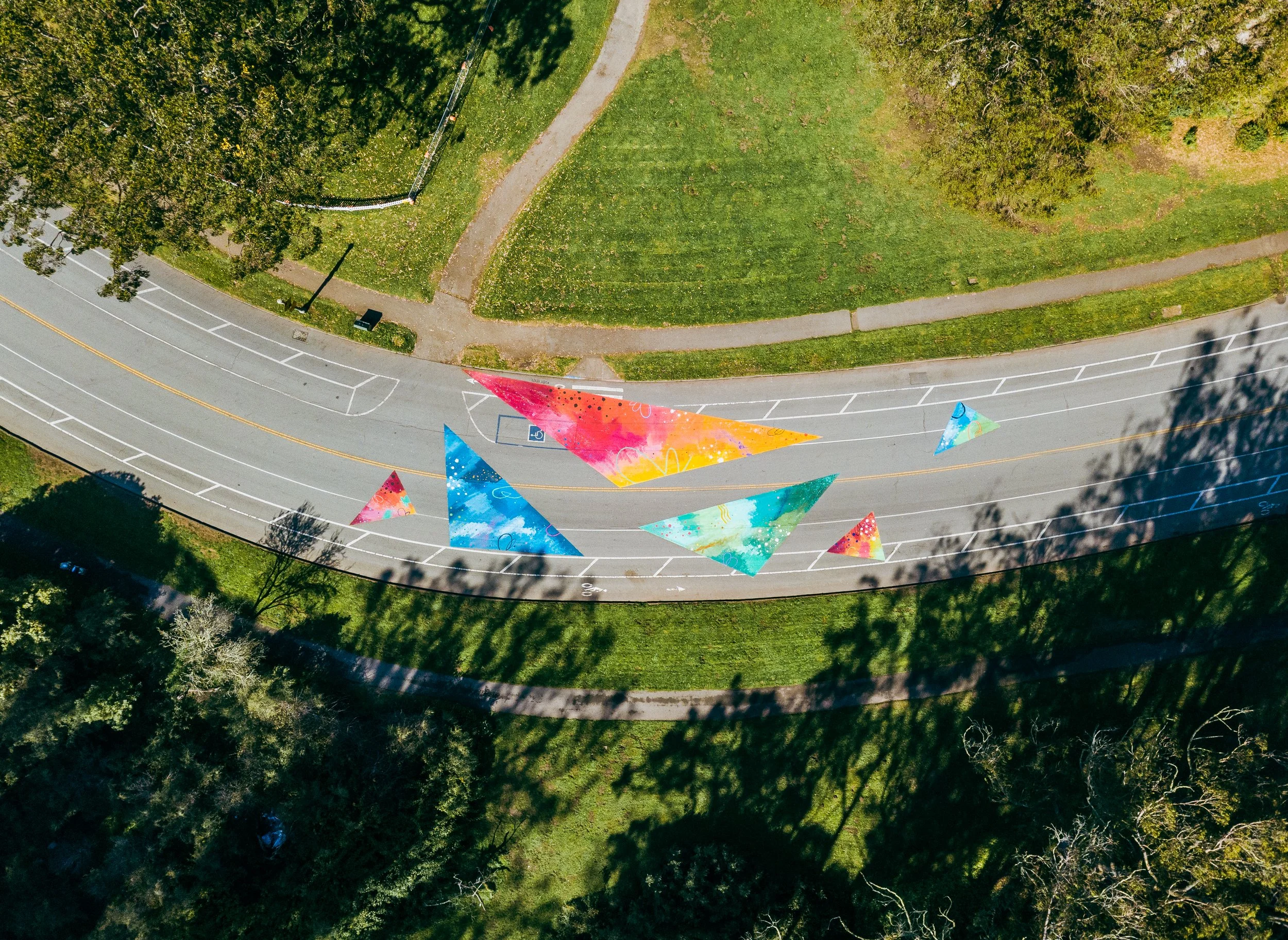
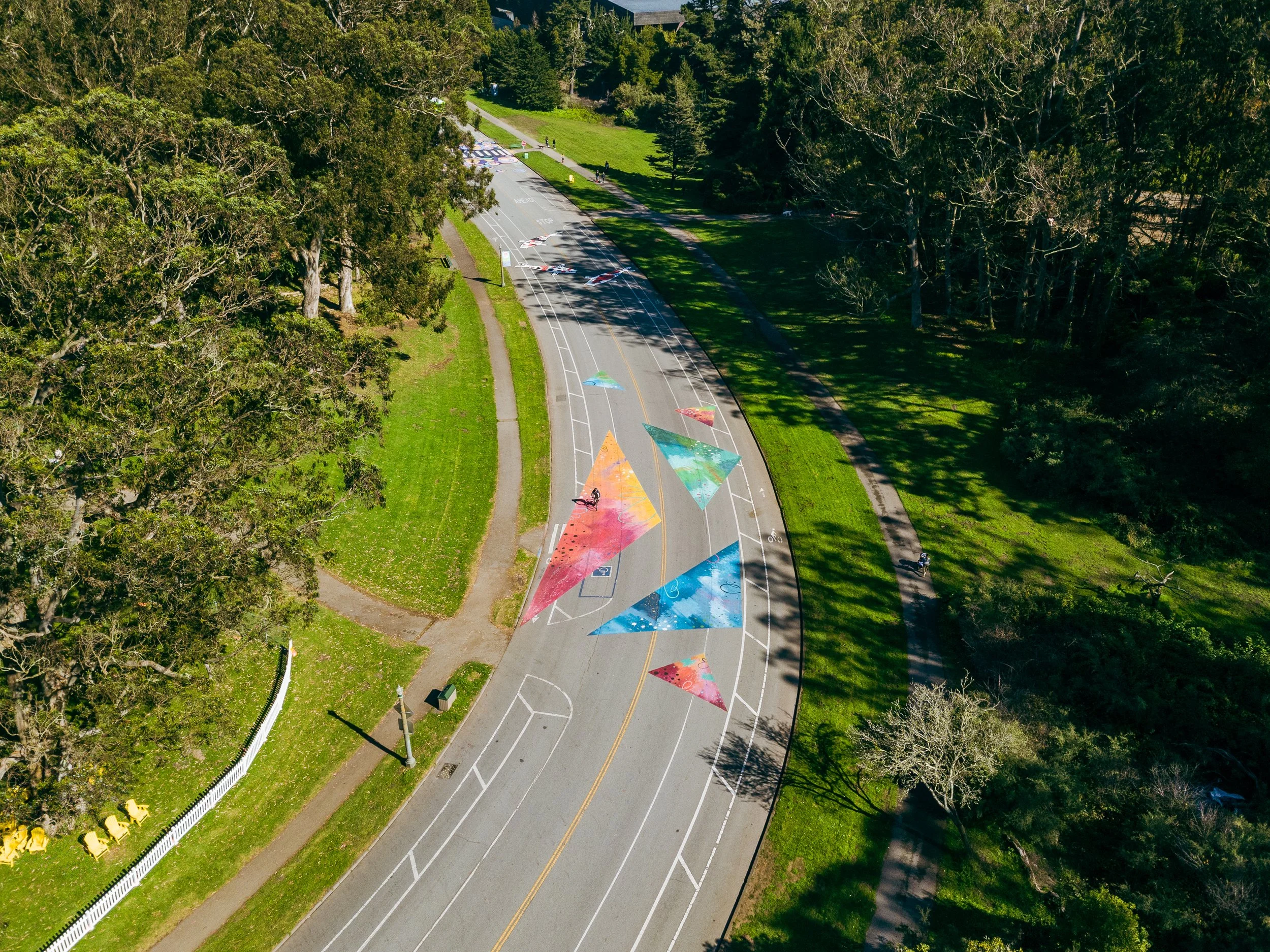
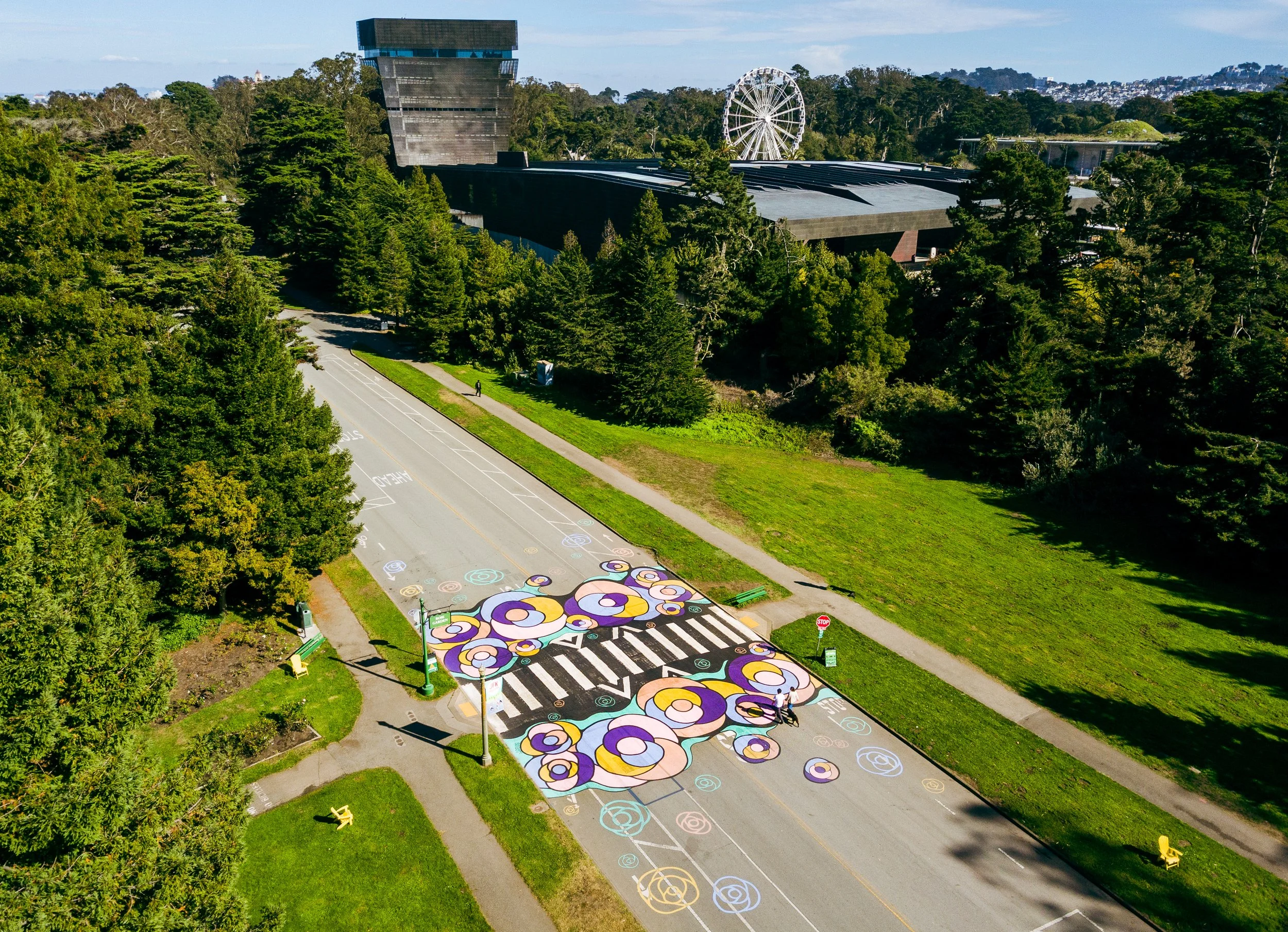
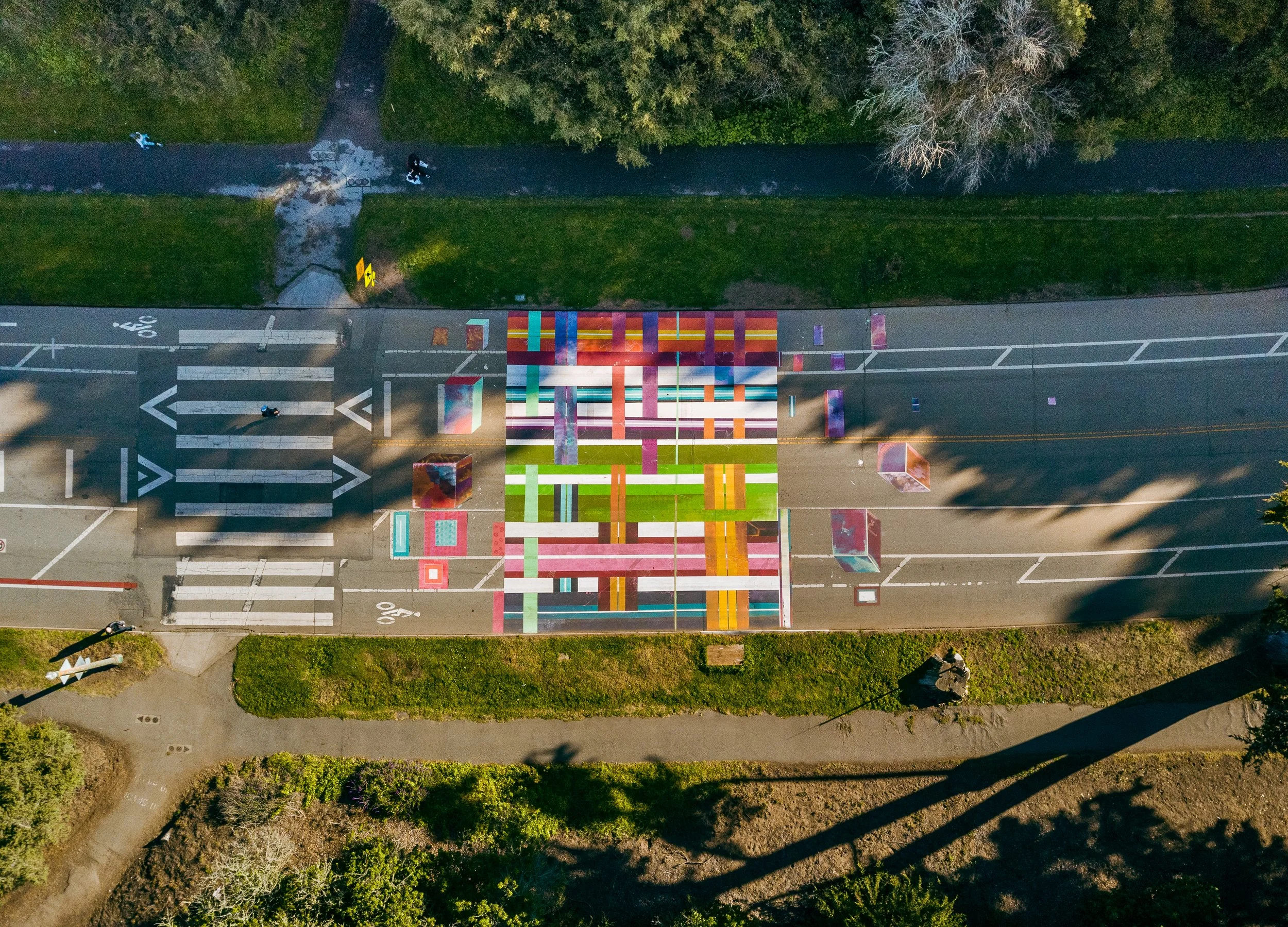
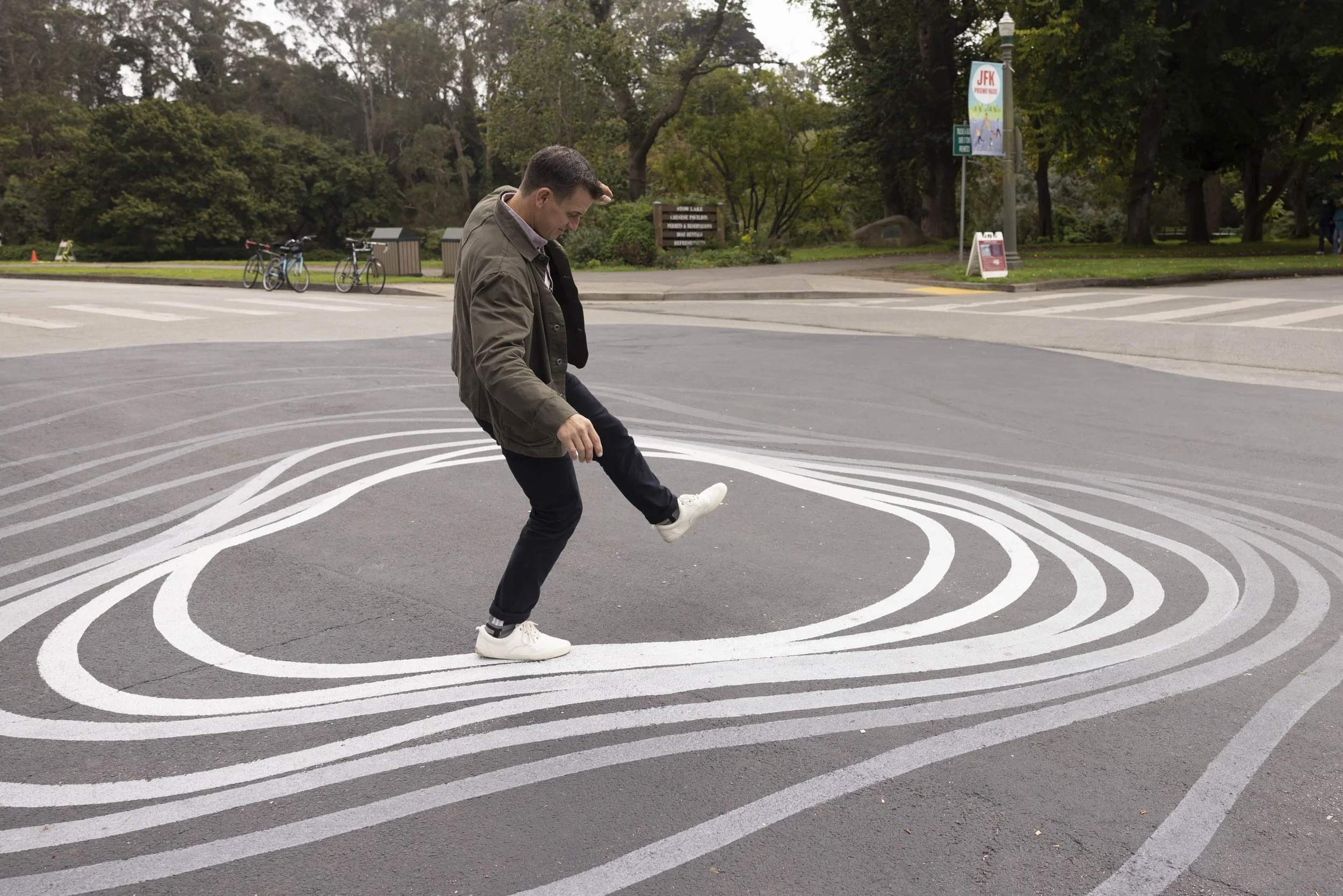
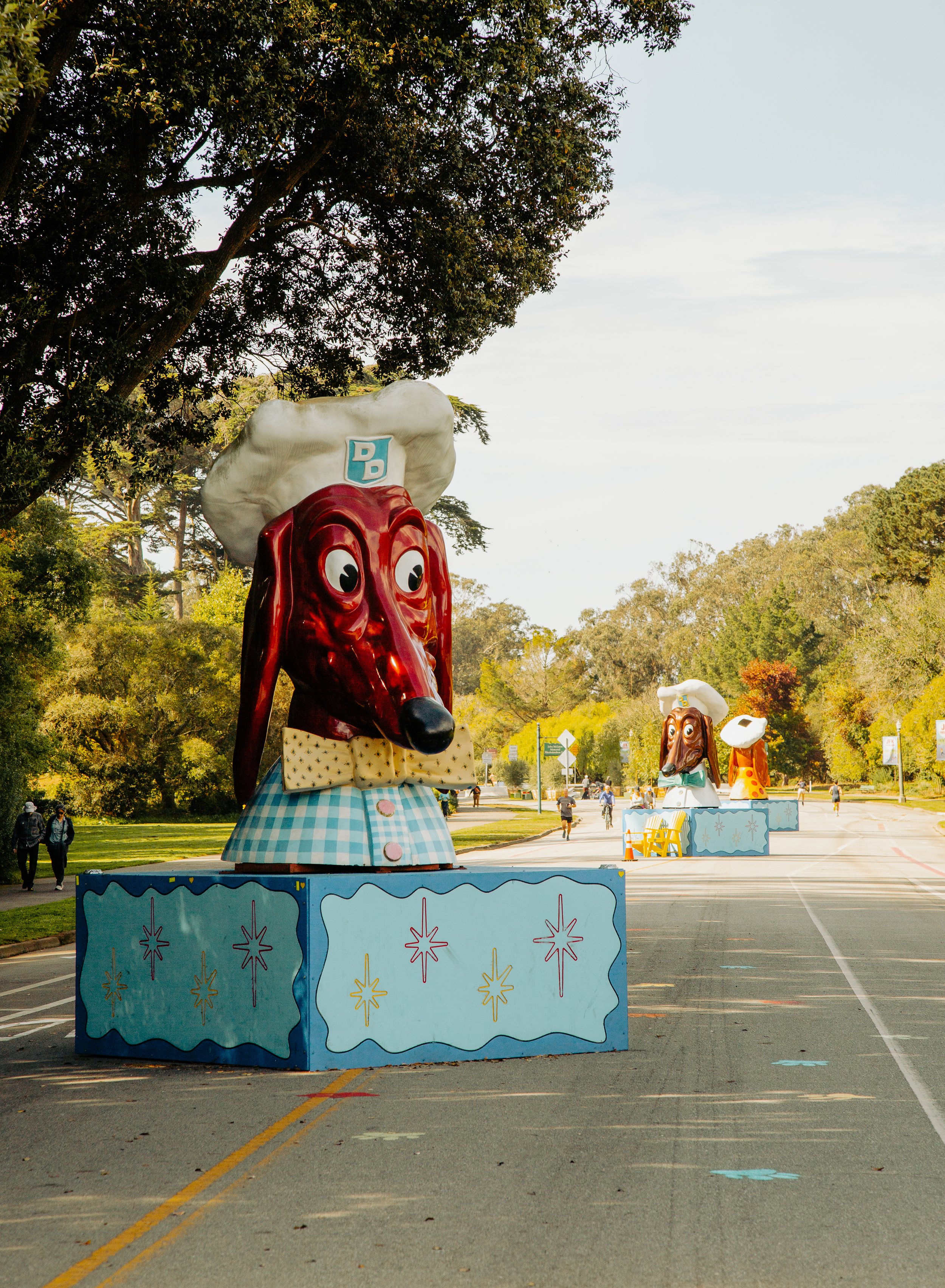
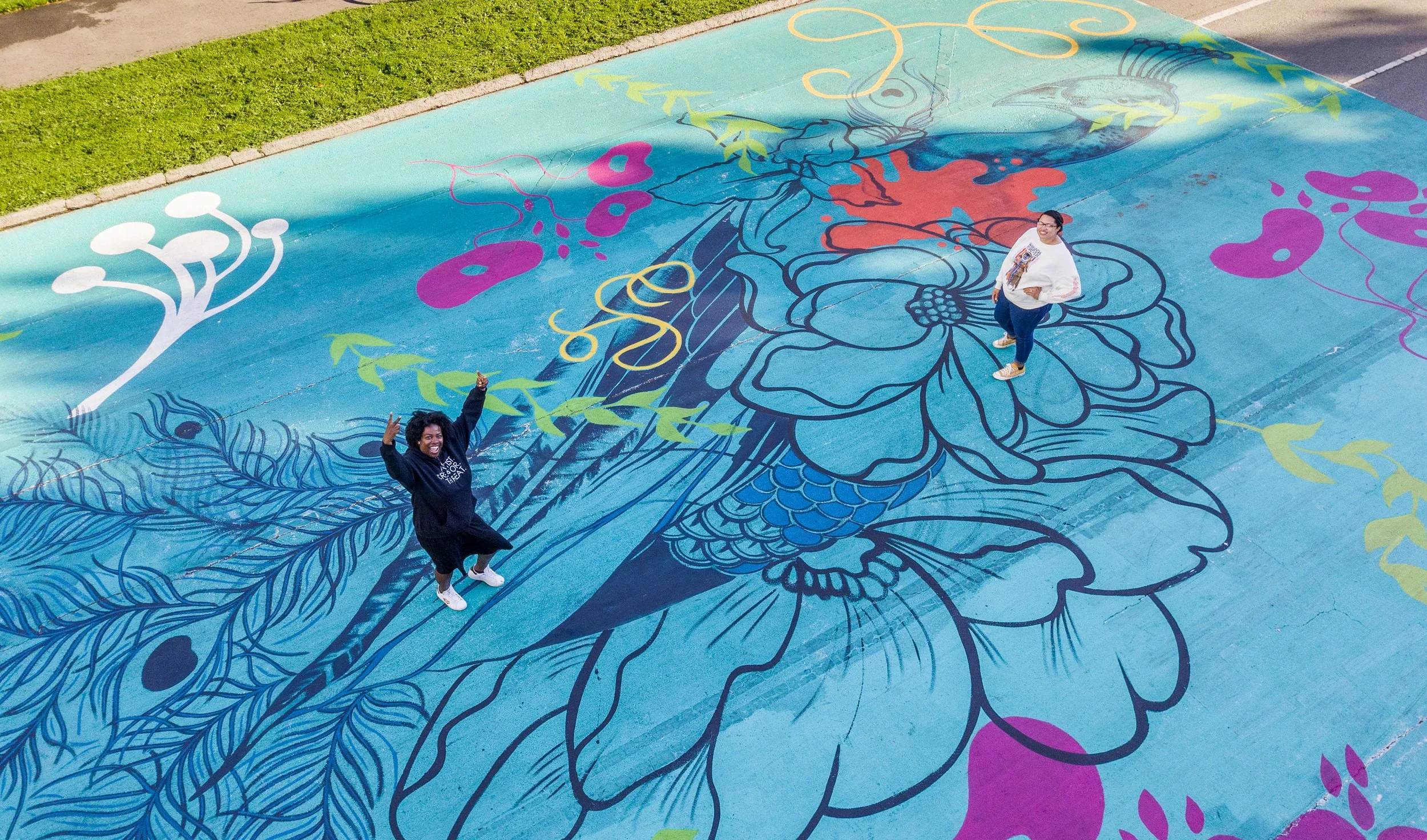
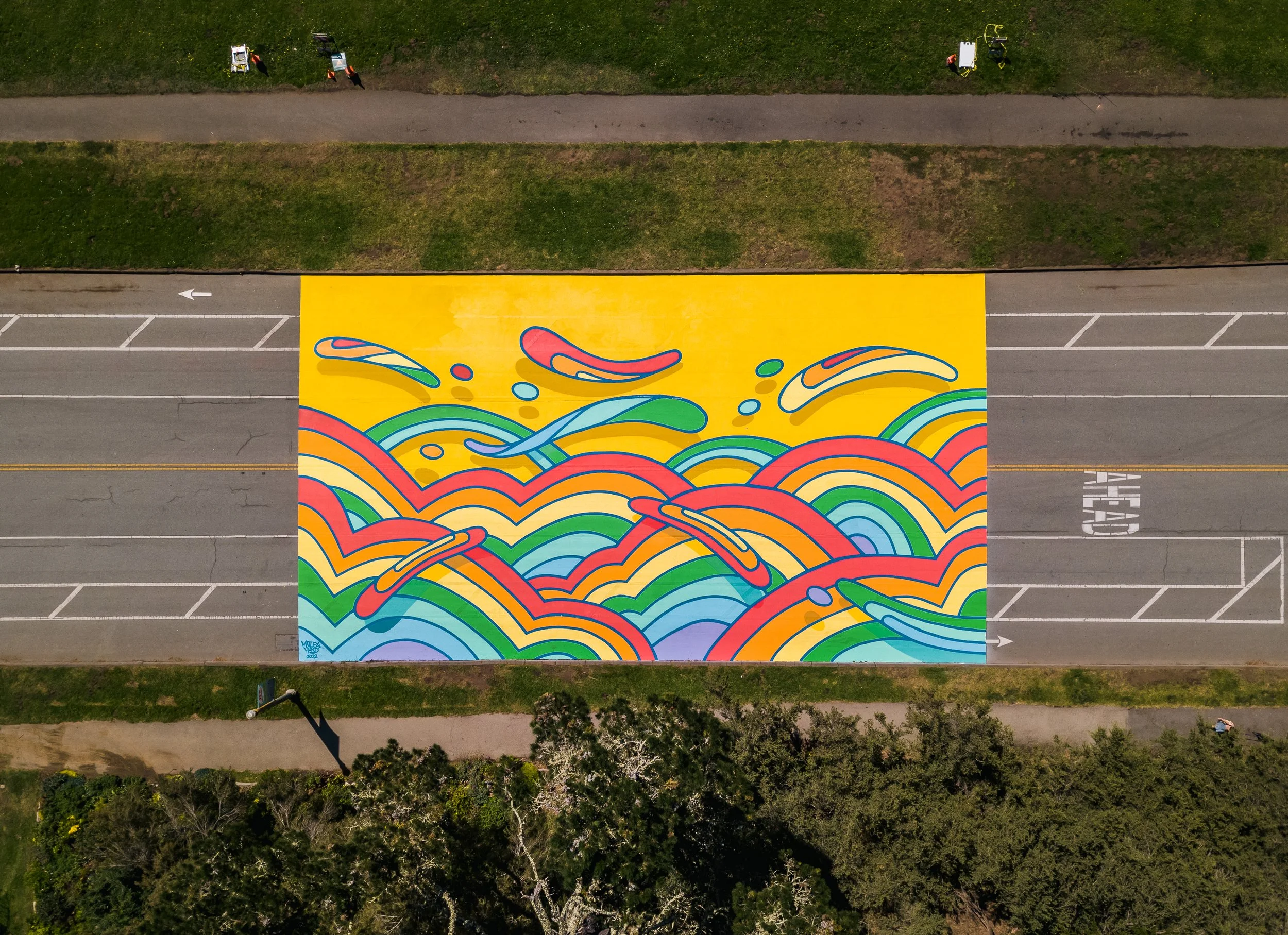
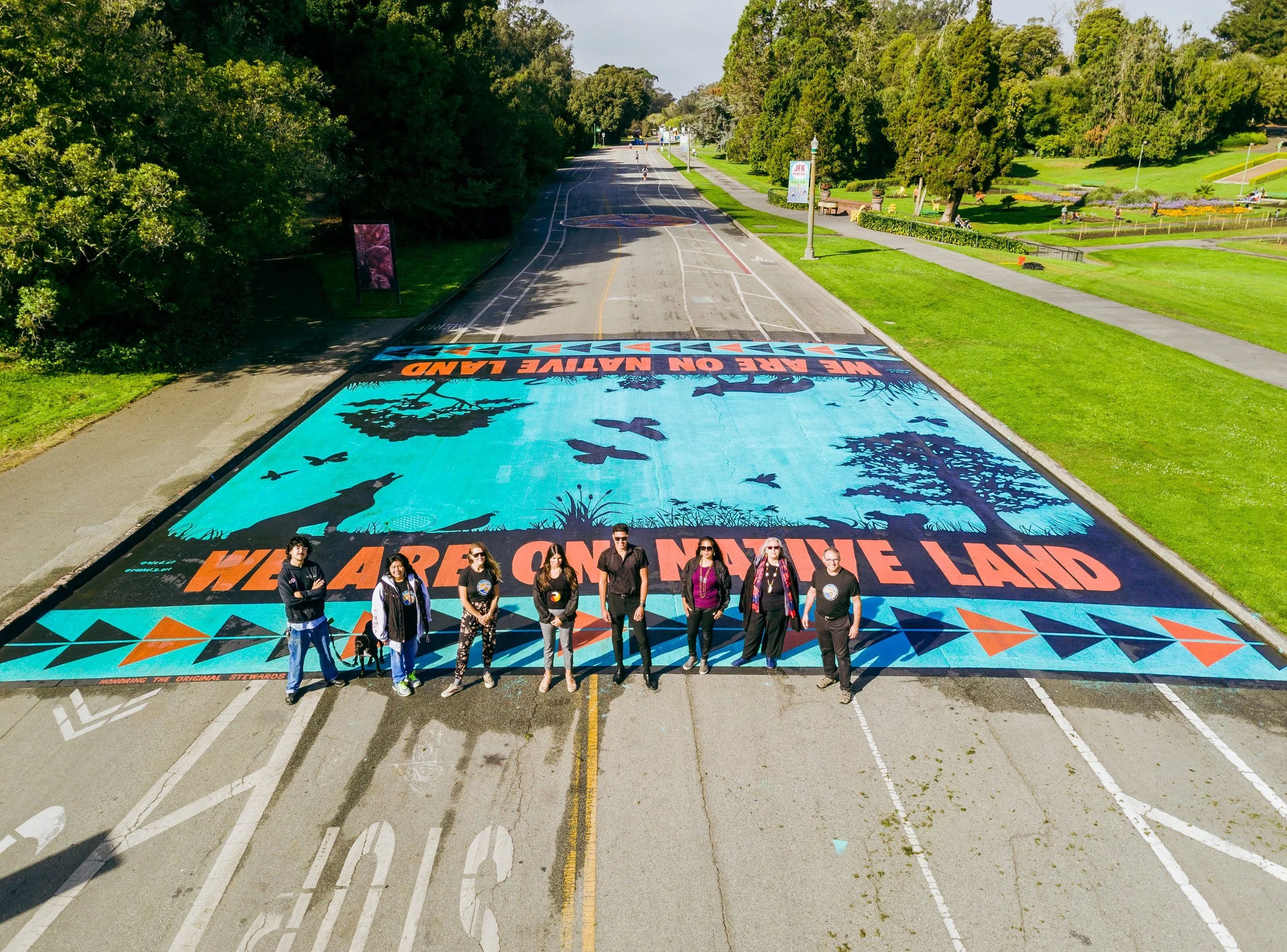
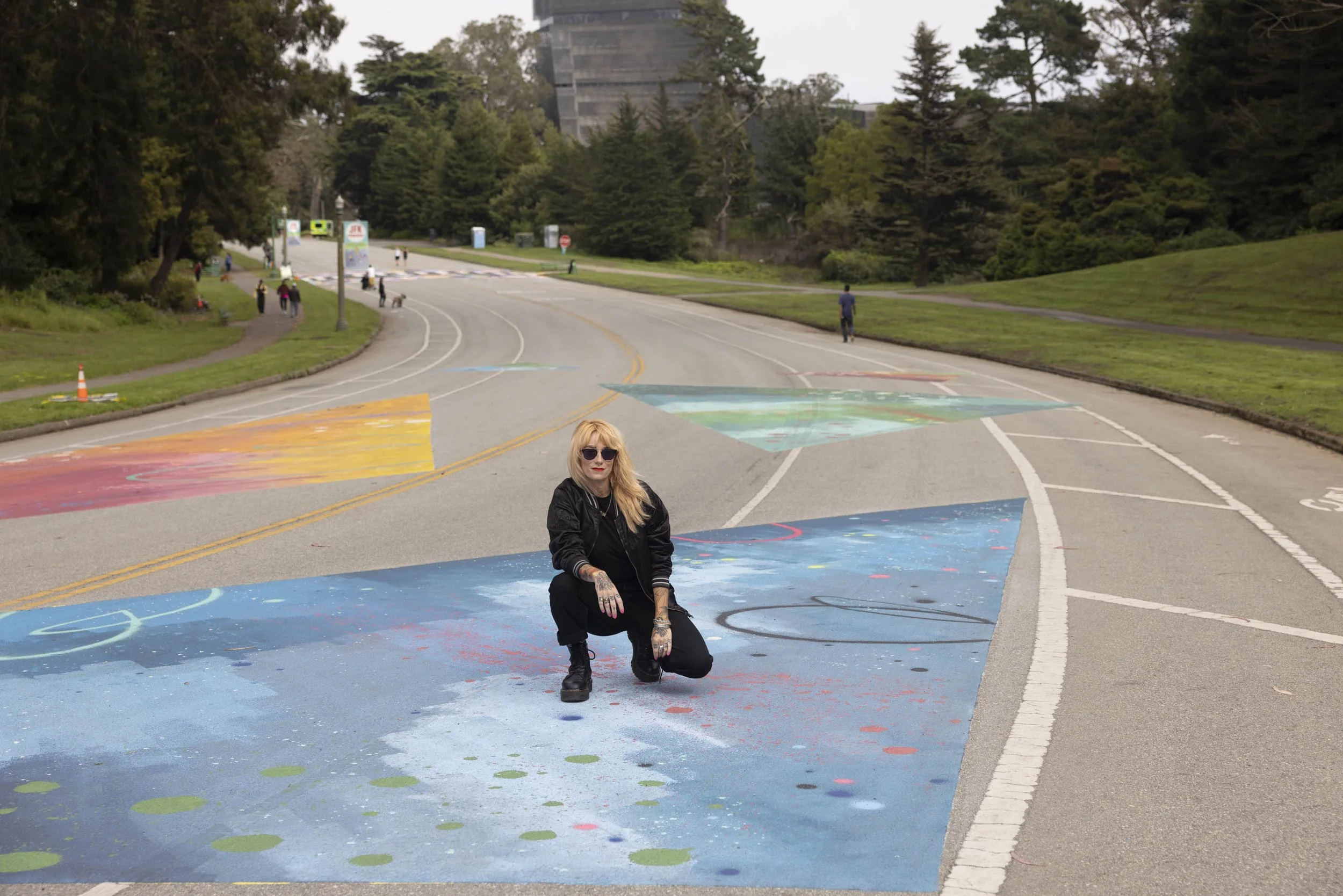
Large-scale murals covered lane markings. Sculptures created destinations. Interactive pieces invited people to pause, play, gather, and move differently.
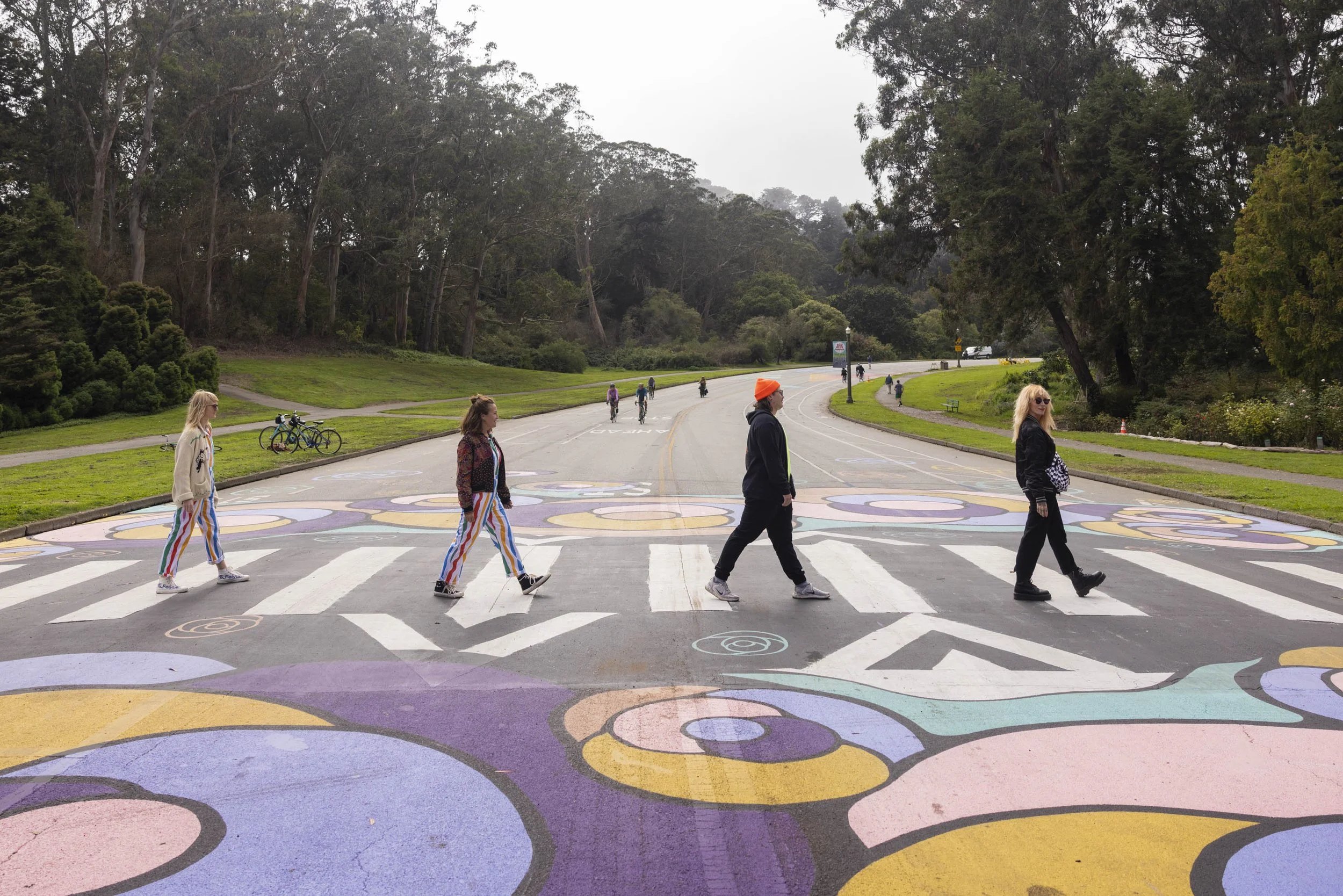
The Golden Mile turned the middle of JFK Drive into the main attraction.
On JFK Drive, Building 180 partnered with Illuminate, San Francisco Recreation and Park Department, Paint the Void, artists, and community groups to help transform the 1.5-mile JFK Promenade.
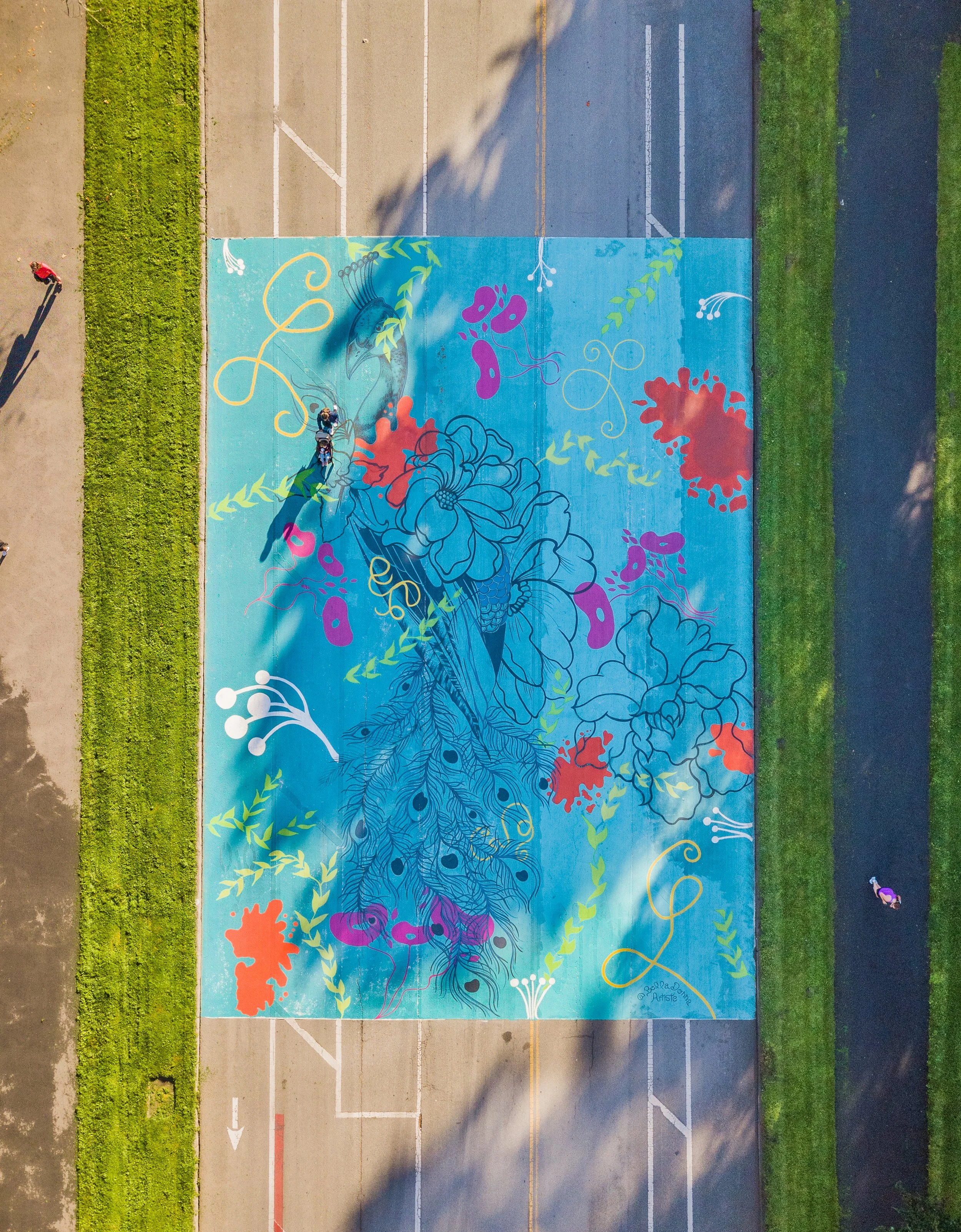
The project included large-scale murals painted directly onto the asphalt, including works that stretched edge-to-edge across the former roadway. Rather than placing art off to the side, the project brought color and activity into the middle of the promenade, helping visitors immediately understand that this was no longer a street designed for cars.
Building 180 supported artist coordination, production planning, community participation, and installation logistics, helping the project move quickly on a compressed timeline and limited budget.
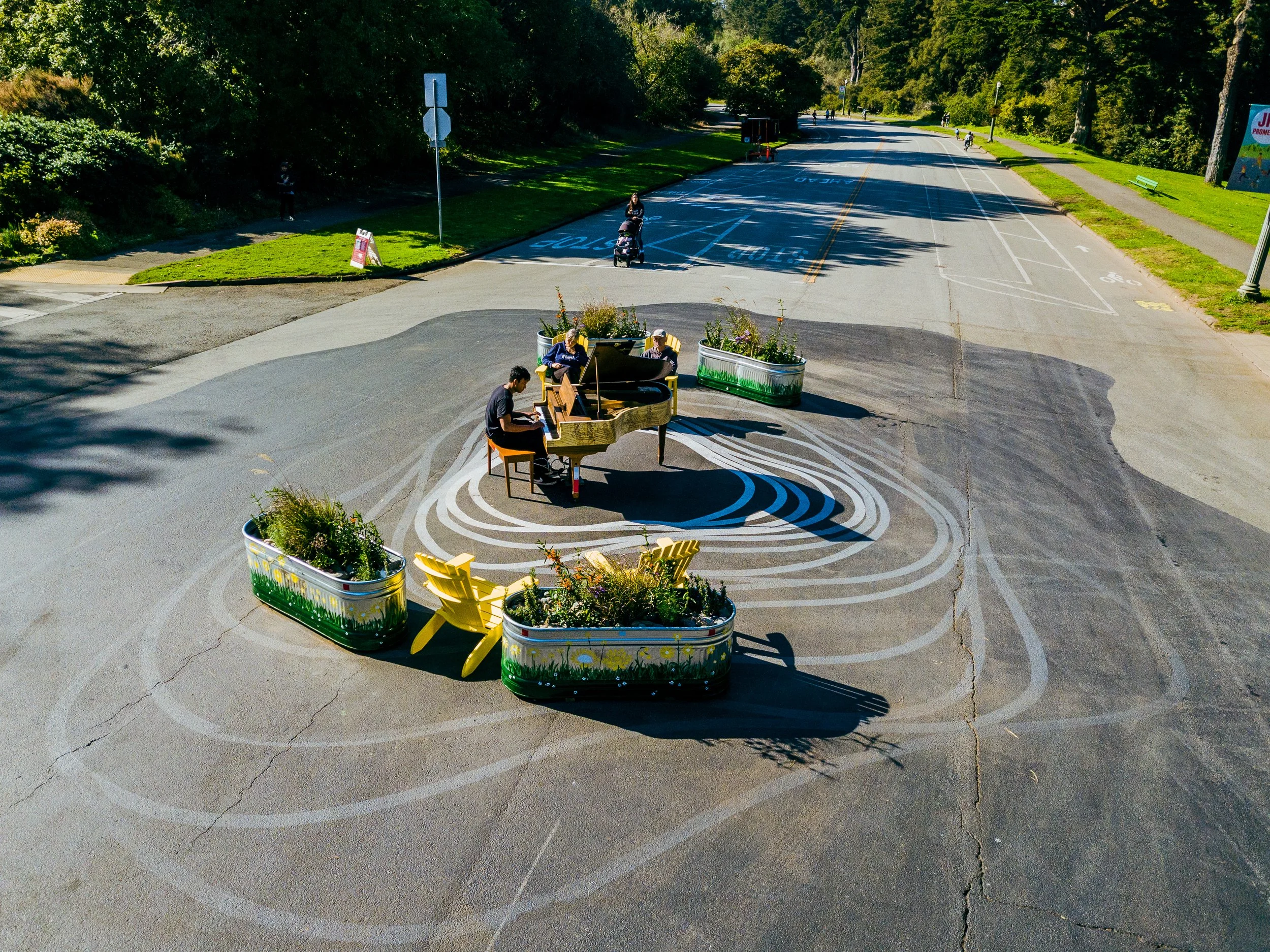
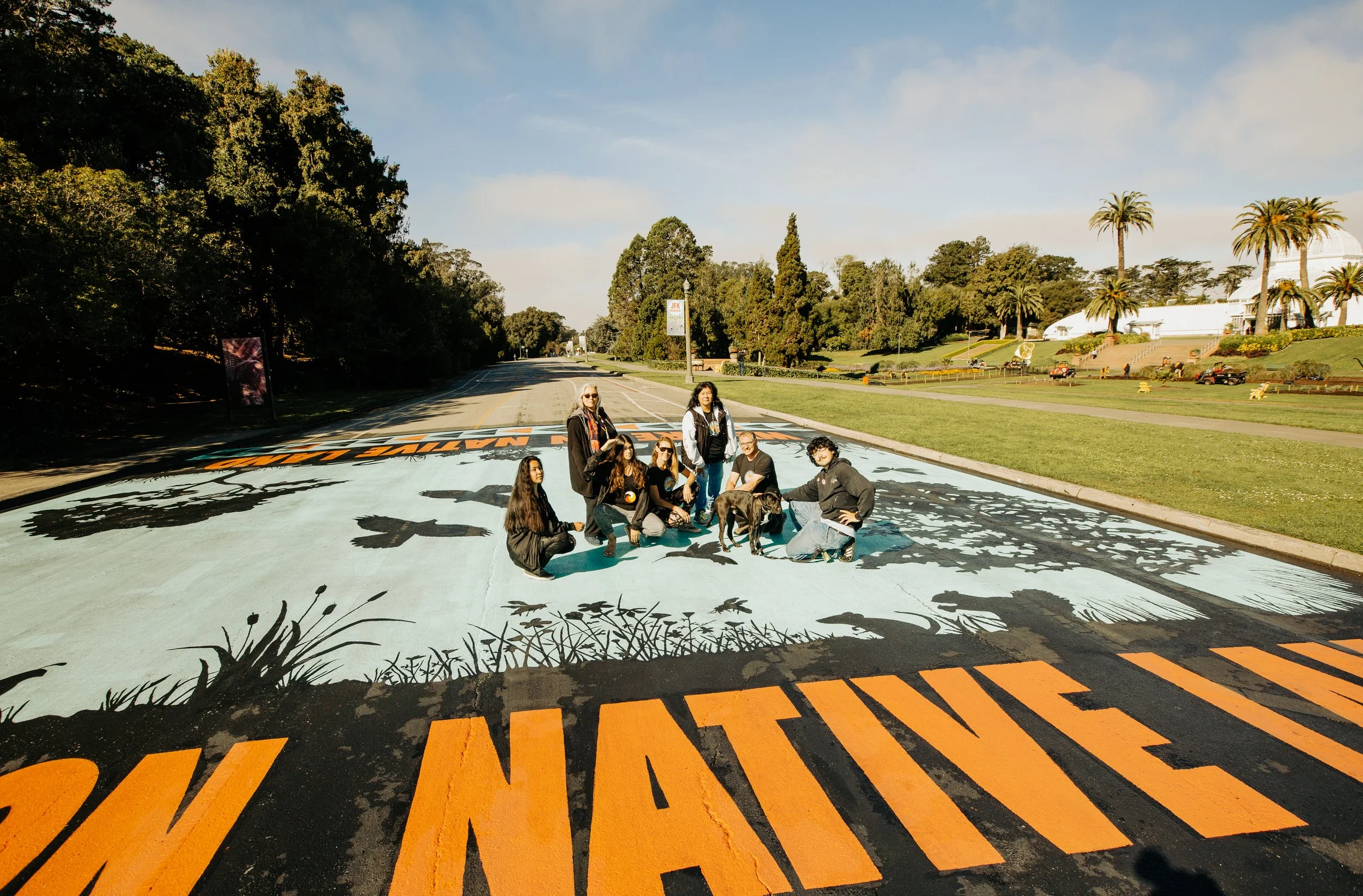
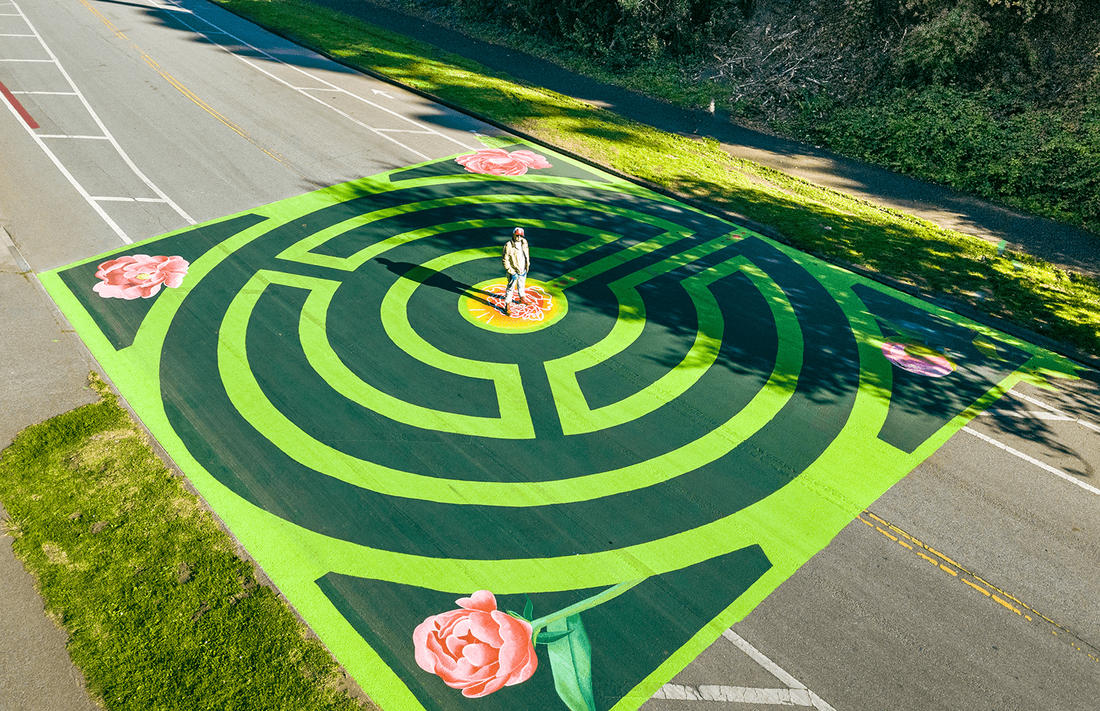
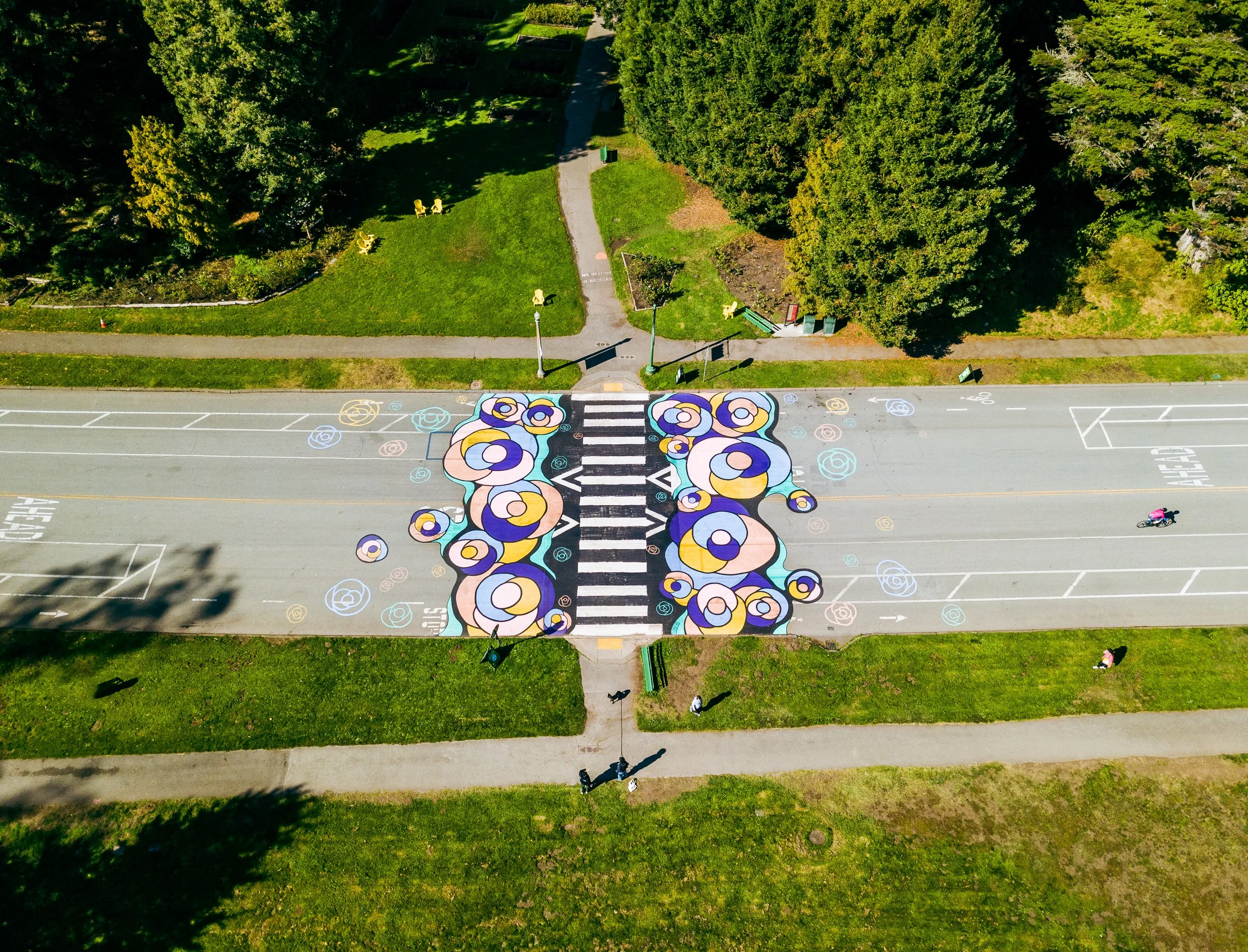
Sunset Dunes brought murals, sculpture, and play to a two-mile oceanfront park.
The model continued at the Great Highway, where Friends of Ocean Beach Park partnered with Building 180 to shape the public art program for Sunset Dunes.
Building 180 coordinated 11 murals and five sculptures across the park, selecting works that complemented the natural coastline while giving visitors new reasons to explore, pause, and interact with the space.
The program included playful, reflective, and interactive elements: a climbable octopus sculpture, a wind phone for speaking with lost loved ones, and a trompe l’oeil crab painted directly onto the roadbed. Together, the works helped turn a former traffic corridor into a place people could experience, remember, and return to.
Sunset Dunes opened in April 2025 as the largest pedestrianization project in California history, drawing 13,000 visitors on its first day.
Building 180 turned many moving parts into one public-facing program.
Golden Mile and Sunset Dunes required more than selecting artwork. Each project brought together artists, civic partners, nonprofit collaborators, community groups, volunteers, site constraints, installation schedules, and active public attention.
Building 180 helped coordinate the systems behind the work: artist outreach, production planning, site logistics, volunteer participation, materials, installation timelines, and public-facing execution. Artists were selected for their ability to create work that felt connected to the surrounding neighborhoods, park setting, and coastal context.
Community participation was part of the process, not an afterthought. Volunteers painted alongside professional artists, residents watched the transformation happen in real time, and the making of the work became part of how people began to feel ownership over the space.
The art helped make the case for a permanent future.
Golden Mile and Sunset Dunes were created while the future of these spaces was still being debated, which made the public art especially powerful.
Rather than asking residents to imagine what a car-free JFK Drive or Great Highway could become, the artwork allowed them to experience it. Murals, sculptures, and community activations became part of the civic conversation, showing how former traffic corridors could function as active, beloved public spaces.
The JFK Promenade was approved for permanent car-free status with 63% of the vote, marking a major shift in how San Francisco thinks about streets, parks, and shared public space. Sunset Dunes opened in April 2025 as the largest pedestrianization project in California history, drawing 13,000 visitors on its first day.
Together, the projects show how strategic public art can help transform not only the physical experience of a place, but the public will behind it.